
NBME 15- Block 4 (Duplicate 1)
Time limit: 0
Quiz Summary
0 of 20 Questions completed
Questions:
Information
You have already completed the quiz before. Hence you can not start it again.
Quiz is loading…
You must sign in or sign up to start the quiz.
You must first complete the following:
Results
Quiz complete. Results are being recorded.
Results
0 of 20 Questions answered correctly
Your time:
Time has elapsed
You have reached 0 of 0 point(s), (0)
Earned Point(s): 0 of 0, (0)
0 Essay(s) Pending (Possible Point(s): 0)
Categories
- Not categorized 0%
- 1
- 2
- 3
- 4
- 5
- 6
- 7
- 8
- 9
- 10
- 11
- 12
- 13
- 14
- 15
- 16
- 17
- 18
- 19
- 20
- Current
- Review
- Answered
- Correct
- Incorrect
-
Question 1 of 20
1. Question
A 37-year-old man comes to the physician because of a 1-month history of increased thirst, frequent urination, and fatigue. He has a 20-year history of alcohol use disorder and has had multiple episodes of pancreatitis during the past 10 years. He began pancreatic enzyme replacement therapy 5 years ago. An abdominal x-ray 1 year ago showed calcifications within the pancreas. He is 175 cm (5 ft 9 in) tall and weighs 59 kg (130 lb); BMI is 19 kg/m2. Vital signs are within normal limits. Examination shows no abnormalities. His serum glucose concentration is 288 mg/dL. Which of the following is the most appropriate pharmacotherapy?
CorrectIncorrect -
Question 2 of 20
2. Question
A 47-year-old woman is scheduled for discharge home 3 days after total abdominal hysterectomy and bilateral salpingo-oophorectomy for leiomyomata uteri. She has no other history of serious illness. Medications are ibuprofen and oxycodone. She has a family history of osteoporosis, and she is concerned about estrogen therapy because of a strong family history of breast cancer. Vital signs are within normal limits. Examination shows a clean, dry, intact incision site. In addition to exercise and calcium with vitamin D supplementation, which of the following is the most appropriate recommendation for bone health in this patient?
CorrectIncorrect -
Question 3 of 20
3. Question
A 15-year-old girl with cystic fibrosis is admitted to the hospital because of a 1-month history of progressive shortness of breath and cough productive of purulent sputum. She has had three hospitalizations for pulmonary exacerbations, the most recent of which was 6 months ago. Her medications are oral montelukast, inhaled fluticasone, inhaled tobramycin, inhaled dornase alfa, and oral azithromycin. She is in moderate respiratory distress. Her temperature is 37.8°C (100°F), pulse is 80/min, and respirations are 30/min. Pulse oximetry on room air shows an oxygen saturation of 85%. Examination shows diffuse crackles bilaterally. Sputum culture results are pending. Which of the following is the most likely causal agent?
CorrectIncorrect -
Question 4 of 20
4. Question
A 22-year-old man is brought to the emergency department 50 minutes after he was involved in a motor vehicle collision. He was the unrestrained driver and struck his chest on the steering wheel. He did not strike his head or lose consciousness. On arrival, he has soreness in the midsternal area. He does not have shortness of breath. His pulse is 90/min, and blood pressure is 140/80 mm Hg. The lungs are clear to auscultation. Examination shows a large, exquisitely tender, ecchymotic area over the sternum. An ECG shows ST-segment elevation in leads V1 through V4. An x-ray of the chest shows no sternal fracture. Echocardiography shows an anterior wall motion hypokinesis. Which of the following is the most appropriate immediate step in management?
CorrectIncorrect -
Question 5 of 20
5. Question
A 32-year-old man comes to the physician because of pain in his right hand 3 days after sustaining a puncture wound to the index finger while gardening. His temperature is 38.9°C (102°F). Examination of the right index finger shows erythema and swelling from the fingertip to the level of the metacarpophalangeal joint. The finger is held in a slightly flexed position. Passive extension of the right index finger increases the pain. There is no drainage from the wound. X-rays of the index finger show soft-tissue swelling. Which of the following is the most likely diagnosis?
CorrectIncorrect -
Question 6 of 20
6. Question
A 32-year-old woman comes to the physician because of a 1-week history of blood in her urine. She does not have pain or burning with urination. She has no history of serious illness or similar symptoms and takes no medications. Two weeks ago, she fell down a flight of stairs while carrying books. Menses occur at regular 30-day intervals; her last menstrual period was 10 days ago. She is sexually active with one male partner, and they use condoms consistently. Physical examination shows ecchymoses over the right flank with tenderness to palpation. Pelvic examination shows no abnormalities. Which of the following is the most appropriate next step in diagnosis?
CorrectIncorrect -
Question 7 of 20
7. Question
A 52-year-old man with major depressive disorder comes to the physician for a follow-up examination. He began fluoxetine therapy 6 weeks ago. Two weeks later, he reported improvement in his mood and said he was feeling hopeful about the future. He has no other history of serious illness and takes no other medications. He does not drink alcohol or use illicit drugs. Physical examination shows no abnormalities. On mental status examination, he has a neutral mood and full range of affect. He says that 1 week ago, he fell out of bed after dreaming about being chased. His wife says he has been intermittently thrashing about while asleep. On one occasion, he punched at her, yelling and cursing. He was surprised and embarrassed when he realized he acted out his dream. He has no history of similar incidents. Which of the following is the most likely explanation for this patient’s current nocturnal symptoms?
CorrectIncorrect -
Question 8 of 20
8. Question
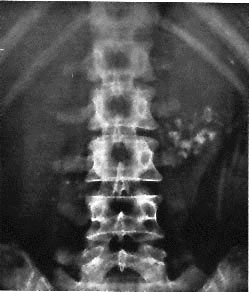
A 64-year-old woman with hypertension comes to the physician because of a 6-month history of moderate midepigastric pain that worsens with eating. During this time, she has had an 8.2-kg (18-lb) weight loss despite no change in appetite. She has four to six bowel movements daily, typically after eating. Her only medication is hydrochlorothiazide. She has smoked one-half pack of cigarettes daily for 40 years and drinks two martinis daily. She is 168 cm (5 ft 6 in) tall and weighs 59 kg (130 lb); BMI is 21 kg/m2. Her temperature is 36.9°C (98.4°F), pulse is 90/min, respirations are 14/min, and blood pressure is 136/70 mm Hg. Examination shows several telangiectasias over the chest. There is no scleral icterus. Abdominal examination shows mild epigastric tenderness to palpation. No masses are noted. Bowel sounds are normal. Laboratory studies show:
Hemoglobin
13.6 g/dL
Leukocyte count
6400/mm3
Platelet count
150,000/mm3
Serum
Glucose
180 mg/dL
Alkaline phosphatase
120 U/L
AST
190 U/L
ALT
80 U/L
Amylase
110 U/L
Lipase
65 U/L (N=13–60)
An x-ray of the abdomen is shown. Which of the following is the most likely diagnosis?
CorrectIncorrect -
Question 9 of 20
9. Question
A previously healthy 67-year-old woman comes to the physician because of a 9-month history of moderate abdominal pain after eating. Eating frequent, small meals has minimized the pain. During this period, she has had an 11-kg (25-lb) weight loss. She has smoked one pack of cigarettes daily for 28 years. She is 160 cm (5 ft 3 in) tall and weighs 45 kg (99 lb); BMI is 18 kg/m2. Abdominal examination shows no abnormalities. Examination of the stool for ova and parasites is negative. An x-ray of the abdomen and esophagogastroduodenoscopy show no abnormalities. Which of the following is the most appropriate next step in diagnosis?
CorrectIncorrect -
Question 10 of 20
10. Question
A 67-year-old man comes to the physician because of a 3-week history of dull, intermittent, left-sided chest pain that radiates to the left side of his jaw. The pain occurs when he mows his lawn or chops wood. When the pain occurs, he also has light-headedness and nausea. The pain resolves after he rests for several minutes. He has not had fever, night sweats, or changes in weight. He had cold and upper respiratory tract infection symptoms 1 month ago. He has a long-standing history of hypertension and arthritis. His medications are lisinopril, amlodipine, glucosamine, and acetaminophen as needed; acetaminophen and antacid therapy have not improved his pain. He smoked one pack of cigarettes daily for 40 years but quit 10 years ago. His pulse is 52/min, respirations are 20/min, and blood pressure is 158/86 mm Hg. On cardiac examination, an S3 is heard; a grade 3/6 systolic murmur is heard best at the second right intercostal space. Which of the following is the most appropriate next step in diagnosis?
CorrectIncorrect -
Question 11 of 20
11. Question
A 17-year-old girl comes to the physician because of irregular menstrual periods since menarche at the age of 11 years. Menses occur at 14- to 90-day intervals and last 1 to 9 days. Her last menstrual period was 2 weeks ago. She has no history of serious illness and takes no medications. She is 163 cm (5 ft 4 in) tall and weighs 91 kg (200 lb); BMI is 34 kg/m2. Examination shows dark skin near the base of the neck, under the axillae and breasts, and over the perineum. Central obesity is noted. Measurement of which of the following is the most appropriate next step in management?
CorrectIncorrect -
Question 12 of 20
12. Question
A 14-year-old girl is brought to the physician by her mother because of a 2-month history of moderate breast pain and constant brown to bloody right nipple discharge and tenderness. She first noticed the discharge on her bra at the end of cross-country running season and initially attributed it to bra irritation. She is otherwise asymptomatic. Menarche was at the age of 13 years. Menses occur at regular 28-day intervals. She has no history of serious illness and takes no medications. She has never been sexually active. She is at the 50th percentile for height and 70th percentile for weight. On examination, breast development is sexual maturity rating (SMR) stage 3, and pubic hair development is SMR stage 4. The breasts are small and symmetric. The lateral edges of the right nipple are tender to palpation; a small amount of brown discharge is expressed. Test of the discharge for occult blood is positive. Which of the following is the most likely diagnosis?
CorrectIncorrect -
Question 13 of 20
13. Question
One week after an uncomplicated spontaneous vaginal delivery, a hospitalized 27-year-old woman, gravida 2, para 2, has a temperature of 38.7°C (101.7°F). During the past week, her temperature has ranged from 37.2°C (99°F) to 38.7°C (101.7°F). Pregnancy was uncomplicated. She has been receiving broad-spectrum antibiotic therapy for the past 5 days. Blood and urine cultures were negative on postpartum days 2 and 5. Today, she appears comfortable. Her pulse is 72/min, and blood pressure is 102/64 mm Hg. Pelvic examination shows a small amount of vaginal discharge and no uterine tenderness. Her leukocyte count is 14,000/mm 3. Yesterday, her leukocyte count was 18,000/mm 3. Which of the following is the most likely diagnosis?
CorrectIncorrect -
Question 14 of 20
14. Question
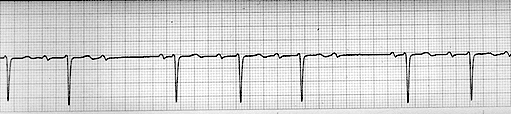
A 42-year-old man comes to the physician for a health maintenance examination. He runs 30 miles weekly and recently completed his third marathon. He works as an airline pilot. He has no history of serious illness and takes no medications. His father had a myocardial infarction at the age of 54 years. The patient’s pulse is 56/min, respirations are 12/min, and blood pressure is 110/60 mm Hg. Examination shows no abnormalities. An ECG is shown. Which of the following is the most appropriate next step in management?
 CorrectIncorrect
 -
Question 15 of 20
15. Question
A 52-year-old man comes to the office for a follow-up examination 4 months after undergoing allogeneic stem cell transplant for acute myelogenous leukemia. He has had five to six loose, watery stools during the past 3 days. He has a 3-week history of an itchy rash over his face, chest, upper back, and arms. He reports that he has continued to have fatigue and mild dryness of the eyes and mouth since his last visit 1 month ago. He has not had fever, night sweats, or cough. The patient and the donor tested positive for cytomegalovirus before the transplant. The patient has no other history of serious illness. His medications are tacrolimus, prednisone, mycophenolate, trimethoprim-sulfamethoxazole, and acyclovir; he has had no adverse effects. Vital signs are within normal limits. Examination shows a faint macular rash without scaling across the face, chest, upper back, and upper extremities. There is no lymphadenopathy. The eyes are mildly dry, and the sclerae are erythematous. Cardiopulmonary examination shows no abnormalities. Serum studies show:
Total bilirubin
2.1 mg/dL
Alkaline phosphatase
145 U/L
AST
112 U/L
ALT
175 U/L
Results of a complete blood count, measurement of serum electrolyte concentrations, and renal function tests are within the reference ranges. Which of the following is the most likely diagnosis?
CorrectIncorrect -
Question 16 of 20
16. Question
An 11-year-old boy is brought to the office by his parents because of a 2-day history of dark urine. Five days ago, he had a mild upper respiratory tract infection, which resolved spontaneously. He has not had pain with urination. He has not had sick contacts. He had frequent episodes of otitis media during infancy. He failed a hearing test at school 6 months ago, and his parents plan to schedule audiometry. He has no other history of serious illness and receives no medications. Immunizations are up-to-date. Growth and development are appropriate for age. The patient’s maternal uncle has end-stage renal disease. The patient’s temperature is 37°C (98.6°F), pulse is 80/min, respirations are 12/min, and blood pressure is 100/70 mm Hg. Examination shows no abnormalities. Urinalysis shows:
RBC
50/hpf
WBC
1–5/hpf
Protein
3+
Which of the following is the most likely diagnosis?
CorrectIncorrect -
Question 17 of 20
17. Question
A 17-year-old girl comes to the office for a health maintenance examination for school. She has no history of serious illness or surgical procedures. Her mother has type 2 diabetes mellitus and hypercholesterolemia, and her father died of a heart attack at the age of 54 years. Menses occur at regular 28-day intervals. Her last menstrual period was 2 weeks ago. She does not smoke cigarettes and has never been sexually active. Her diet consists of mainly carbohydrates and fats with minimal protein or vegetables. She drinks two glasses of whole cow milk daily. She is 157 cm (5 ft 2 in) tall and weighs 68 kg (150 lb); BMI is 27 kg/m2. Her pulse is 84/min, and blood pressure is 110/60 mm Hg. Examination shows no other abnormalities. Which of the following is the most appropriate next step in management?
CorrectIncorrect -
Question 18 of 20
18. Question
A hospitalized 82-year-old man has a 3-day history of progressive irritability after undergoing uncomplicated aortic valve replacement. He also has had insomnia during this time. He says he feels restless and edgy after sundown, and he repeatedly asks to go home “so I can at least sleep.” He has chronic kidney disease, asthma, and central sleep apnea. His hospital medications are albuterol, cefepime, oxycodone, and sevelamer. He drinks one 12-oz beer once weekly and has smoked two packs of cigarettes daily for 58 years. He appears fatigued but alert and attentive. Vital signs are within normal limits. Physical examination shows a clean, dry sternal incision and a barrel-shaped chest. On mental status examination, he has a surly mood and restricted affect. Cognition is intact. Which of the following is the most appropriate next step in management of this patient’s insomnia?
CorrectIncorrect -
Question 19 of 20
19. Question
A 62-year-old woman comes to the office because of a 3-month history of progressive fatigue that has not been associated with any illness or other precipitating factors. She has gained 4 kg (8 lb) during the past 2 months despite attempting to follow a weight loss diet; she also has had constipation during this time. She has hypertension treated with lisinopril. She drinks one alcoholic beverage weekly and does not smoke cigarettes. She is not in distress. She is 165 cm (5 ft 5 in) tall and weighs 73 kg (160 lb); BMI is 27 kg/m2. Vital signs are temperature 37.0°C (98.6°F), pulse 70/min, respirations 12/min, and blood pressure 130/72 mm Hg. Neck is supple with no thyromegaly or adenopathy. Cardiopulmonary examination discloses no abnormalities. Examination of the lower extremities shows no edema; reflexes are 1+ at the knees with delayed relaxation. Which of the following is the most likely complication of this patient’s condition?
CorrectIncorrect -
Question 20 of 20
20. Question
A 48-year-old man comes to the emergency department 6 hours after the sudden onset of severe right-sided chest pain that increases with inspiration. He also has had shortness of breath during this time. Ten days ago, he sustained a nondisplaced right ankle fracture while playing basketball. He was taken to the emergency department, and a cast was placed on his right lower extremity. He has hypertension treated with amlodipine and has been taking ibuprofen for ankle pain. His temperature is 37.2°C (98.9°F), pulse is 110/min and regular, respirations are 32/min, and blood pressure is 90/50 mm Hg. Pulse oximetry on room air shows an oxygen saturation of 90%. Cardiac examination shows no other abnormalities. There is splinting of the right hemithorax. The remainder of the examination shows no abnormalities. Which of the following sets of cardiac output and systemic vascular resistance findings is most likely to be found in this patient?
Option
Cardiac Output
Systemic Vascular Resistance
A
Decreased
Decreased
B
Decreased
Increased
C
Increased
Decreased
D
Increased
Increased
E
Normal
Normal
CorrectIncorrect