
NBME 13 – Block 1
Quiz Summary
0 of 50 Questions completed
Questions:
Information
You have already completed the quiz before. Hence you can not start it again.
Quiz is loading…
You must sign in or sign up to start the quiz.
You must first complete the following:
Results
Results
0 of 50 Questions answered correctly
Your time:
Time has elapsed
You have reached 0 of 0 point(s), (0)
Earned Point(s): 0 of 0, (0)
0 Essay(s) Pending (Possible Point(s): 0)
Categories
- Not categorized 0%
- 1
- 2
- 3
- 4
- 5
- 6
- 7
- 8
- 9
- 10
- 11
- 12
- 13
- 14
- 15
- 16
- 17
- 18
- 19
- 20
- 21
- 22
- 23
- 24
- 25
- 26
- 27
- 28
- 29
- 30
- 31
- 32
- 33
- 34
- 35
- 36
- 37
- 38
- 39
- 40
- 41
- 42
- 43
- 44
- 45
- 46
- 47
- 48
- 49
- 50
- Current
- Review
- Answered
- Correct
- Incorrect
-
Question 1 of 50
1. Question
A 19-year-old man is admitted to the hospital after sustaining head trauma in a motorcycle collision. In the field, his Glasgow Coma Scale score was 3, and he was immediately intubated and mechanically ventilated. A CT scan of the head without contrast shows severe bilateral global cortical injury, effacement of white and gray matter distinction, and global edema. Neurosurgical evaluation determines that the patient would gain no benefit from surgical intervention. Twenty-four hours after admission, his temperature is 37.8°C (100°F), pulse is 108/min, and blood pressure is 98/46 mm Hg. The pupils are fixed and dilated with no corneal reflex. He does not respond to painful stimuli, and he has no gag response. Which of the following is the most appropriate next step in management?
CorrectIncorrect -
Question 2 of 50
2. Question
An 81-year-old woman comes to the clinic for a routine health maintenance examination. She has felt well but reports painless bruising on her right arm that she noticed 3 days ago after removing a bandage from a healing insect bite. She has noticed similar bruising during the past few years with bandage use and after accidental bumping of her arms against hard surfaces. She has hypertension treated with hydrochlorothiazide-triamterene. She takes no other medications. The patient appears well. Vital signs are normal. Physical examination shows a 4-cm area of ecchymoses with tearing of the skin on the right forearm at the site of the previously removed bandage. The remainder of the physical examination discloses no abnormalities. Which of the following is the most appropriate next step in management of this patient’s skin findings?
CorrectIncorrect -
Question 3 of 50
3. Question
A 54-year-old man comes to the office for a follow-up examination 12 weeks after undergoing aortic valve replacement. The patient is doing well and has been participating in physical therapy as part of his recovery. His only current symptom is mild fatigue. Medical history also is remarkable for hypertension. Current medications are warfarin, metoprolol, and lisinopril. He has no known medication allergies. Vital signs are within normal limits. On cardiac examination, a mechanical valve click is heard. The remainder of the examination shows no abnormalities. The patient has a dental cleaning appointment scheduled for next week at noon. Which of the following is most appropriate to recommend in preparation for this patient’s dental visit?
CorrectIncorrect -
Question 4 of 50
4. Question
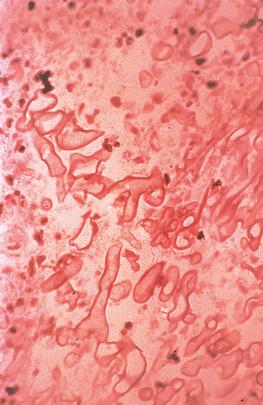
A 62-year-old man comes to the physician because of a 3-week history of progressive shortness of breath with exertion, fever, and chills. Two days ago, he coughed up a small amount of blood-tinged, thick sputum; otherwise, his cough has been nonproductive. Three years ago, he underwent right kidney transplant for end-stage renal disease caused by polycystic kidney disease. His medications are prednisone, cyclosporine, sirolimus, and a daily multivitamin. He does not smoke cigarettes. His temperature is 38.4°C (101.1°F), pulse is 98/min, respirations are 28/min, and blood pressure is 120/80 mm Hg. Pulse oximetry on room air shows an oxygen saturation of 94%. Crackles are heard in the right middle and lower lung fields. Abdominal examination shows a well-healed scar over the right lower quadrant. The remainder of the examination shows no abnormalities. Laboratory studies show:
Leukocyte count
9700/mm3
Serum
Urea nitrogen
24 mg/dL
Glucose
160 mg/dL
Creatinine
1 mg/dL
Serum electrolyte concentrations are within the reference ranges. A chest x-ray shows consolidation of the middle and lower lobes of the right lung. Bronchoscopy is performed; biopsy results are shown. Cyclosporine therapy is discontinued. Which of the following is the most appropriate pharmacotherapy?
 CorrectIncorrect
 -
Question 5 of 50
5. Question
A 16-year-old girl comes to the office for a routine health maintenance examination. She has no history of serious illness and takes no medications. Menarche was at the age of 12 years. Menses occur at irregular 28- to 34-day intervals with light flow; her last menstrual period was 10 weeks ago. She participates in after-school sports, including soccer and track, and receives grades of A’s and B’s. She appears well groomed, affable, and engages readily in discussion. She is 168 cm (5 ft 6 in) tall and weighs 51 kg (112 lb); BMI is 18 kg/m2. Temperature is 37.0°C (98.6°F), pulse is 65/min, and blood pressure is 110/60 mm Hg. Sexual maturity rating is stage 4 for breast and pubic hair development. Which of the following is the most appropriate next step in management?
CorrectIncorrect -
Question 6 of 50
6. Question
A 19-year-old college student is brought to the emergency department by her roommates because of increasing confusion during the past 24 hours. She also has had decreased appetite for 2 days. On arrival, she is difficult to arouse. Her temperature is 38.9°C (102°F), and respirations are 28/min and deep. Her pulse is 124/min, and blood pressure is 80/42 mm Hg while sitting; her pulse is 100/min, and blood pressure is 110/50 mm Hg while supine. The lungs are clear to auscultation. Abdominal examination shows mild diffuse tenderness to palpation. Serum studies show:
Na+
130 mEq/L
K+
5.2 mEq/L
Cl−
98 mEq/L
HCO3−
7 mEq/L
Glucose
700 mg/dL
Arterial blood gas analysis on room air shows:
pH
7.16
Pco2
20 mm Hg
Po2
108 mm Hg
This patient most likely has which of the following primary acid-base disorders?
CorrectIncorrect -
Question 7 of 50
7. Question
A 10-year-old girl is brought to the office by her parents because of a 3-year history of impulsive and inattentive behavior. Her parents had been trying to manage her behavior at home and school, but during the past 6 months, she has had a marked decline in functioning at school and extracurricular activities. She has been in trouble for being disruptive and not following instructions. She has no history of serious illness and receives no medications. Growth and development are appropriate for age. Physical and mental status examinations show no abnormalities. Without treatment, this patient is at greatest risk for which of the following?
CorrectIncorrect -
Question 8 of 50
8. Question
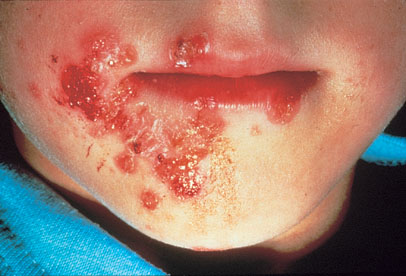
An 8-year-old boy is brought to the physician by his mother because he has had the rash shown for 1 week; the rash began as a small 1-cm lesion on his cheek. His younger brother has had a similar rash for 5 days. The patient had an upper respiratory tract infection 8 days ago treated with an over-the-counter decongestant. His temperature is 36.7°C (98°F). Which of the following is the most likely explanation for these findings?
CorrectIncorrect -
Question 9 of 50
9. Question
A 47-year-old man comes to the physician because of a 3-week history of increasing rectal bleeding. The bleeding is bright red and initially occurred only during bowel movements but now occurs between bowel movements. He loses approximately 2 teaspoons of blood daily. His stool are formed. He has not had diarrhea or pain. He has receptive anal intercourse with one male partner; they use condoms consistently. Since the bleeding began, he has abstained from sex. He has no history of similar symptoms or serious illness. He takes no medications. There is no family history of serious illness. The patient appears well. Vital signs are within normal limits. Visual examination of the rectum shows no abnormalities. Digital rectal examination shows no palpable mass, tenderness, or swelling. Test of the stool for occult blood is positive. Which of the following is the most likely diagnosis?
CorrectIncorrect -
Question 10 of 50
10. Question
A 26-year-old woman is brought to the emergency department 2 hours after the sudden onset of severe abdominal pain and fainting. She has no other history of serious illness, and she takes no medications. Her last menstrual period was 6 weeks ago. Temperature is 37.2°C (99.0°F), pulse is 110/min, respirations are 20/min, and blood pressure is 90/50 mm Hg. Pulse oximetry on room air shows an oxygen saturation of 98%. Examination shows no jugular venous distention. Breath sounds are equal over both lung bases. On cardiac examination, a normal S1 and S2 are heard. Abdominal examination shows mild distention and diffuse tenderness with guarding and rebound. There is 1+ pedal edema bilaterally. Results of laboratory studies are shown:
Hemoglobin
10 g/dL
Hematocrit
30%
Leukocyte count
12,000/mm3
Platelet count
268,000/mm3
Serum
Na+
147 mEq/L
K+
4.6 mEq/L
β-hCG
3000 mIU/ml (N<3)
Transvaginal ultrasonography shows no intrauterine pregnancy. Which of the following is the most appropriate next step in diagnosis?
CorrectIncorrect -
Question 11 of 50
11. Question
A 27-year-old man with ulcerative colitis comes to the emergency department because of a 3-day history of moderate abdominal cramps and bloody diarrhea. His medications are mesalamine and azathioprine. His temperature is 38.3°C (101°F). Abdominal examination shows mild distention; there is mild, diffuse tenderness to deep palpation but no tenderness to percussion. Flexible sigmoidoscopy shows erythematous mucosa with scattered ulcerations throughout. Colonic biopsy results show several giant cells with inclusion bodies. Which of the following is the most appropriate next step in management?
CorrectIncorrect -
Question 12 of 50
12. Question
A 58-year-old man comes to the physician because of a 1-month history of nonproductive cough. He has not had shortness of breath or weight loss. He has type 2 diabetes mellitus, hypertension, and chronic obstructive pulmonary disease (COPD). His medications are insulin, metformin, salmeterol, ipratropium, and lisinopril. During the examination, the patient coughs frequently. His temperature is 37°C (98.6°F), pulse is 78/min, respirations are 16/min, and blood pressure is 156/70 mm Hg. Pulmonary examination shows a prolonged expiratory phase; no wheezes are heard. The remainder of the examination shows no abnormalities. Which of the following is the most likely cause of this patient’s cough?
CorrectIncorrect -
Question 13 of 50
13. Question
A 57-year-old woman, gravida 4, para 4, comes to the office because of an 8-week history of urinary urgency. During this time, she has had sudden strong urges to void and is often unable to reach the bathroom in time. She urinates three to four times nightly. There is no pain with urination. She does not have urine loss when coughing, laughing, or sneezing. She has no history of serious illness. Examination shows a mild cystocele and mild rectocele. A Q-tip test shows no urethral hypermobility. The cervix, uterus, and adnexa are normal. Urinalysis shows:
RBC
50–100/hpf
WBC
0–1/hpf
Epithelial cells
3–5/hpf
Bacteria
none
Which of the following is the most appropriate next step in management?
CorrectIncorrect -
Question 14 of 50
14. Question
A 24-year-old man is being evaluated in the hospital because of increasing oxygen requirements. He was admitted earlier today because of an isolated comminuted pelvic fracture he sustained when he was pinned between a forklift and a wall while working at a warehouse. On admission, he received 6 units of packed red blood cells, 6 units of fresh frozen plasma, and 5 units of platelets for resuscitation. He underwent external pelvic fixation with right lower extremity fasciotomies for treatment of compartment syndrome. He was extubated at the completion of the operation. Medical history is unremarkable, and he takes no routine medications. Six hours later, temperature is 37.5°C (99.5°F), pulse is 120/min, respirations are 22/min, and blood pressure is 105/65 mm Hg. Pulse oximetry on an Fio2 of 1.0 via non-rebreather mask shows an oxygen saturation of 80%. Physical examination discloses tachypnea. Breath sounds are coarse bilaterally. The patient is intubated and mechanically ventilated. Arterial blood gas analysis on an Fio2 of 1.0 discloses a Pao2 of 60 mm Hg. Chest x-ray shows bilateral patchy infiltrates. Which of the following is the most likely cause of this patient’s respiratory failure?
CorrectIncorrect -
Question 15 of 50
15. Question
A 62-year-old man comes to the physician 24 hours after a 20-minute episode of weakness of the right side of the face and right upper and lower extremities. His blood pressure is 130/78 mm Hg. Cardiac and neurologic examinations, an ECG, and a CT scan of the head show normal findings. Carotid duplex ultrasonography shows less than 50% stenosis of the proximal left internal carotid artery. Which of the following interventions will result in the greatest reduction of this patient’s risk for a cerebral infarction?
CorrectIncorrect -
Question 16 of 50
16. Question
A 1-day-old male newborn is evaluated in the hospital nursery before discharge. He has swelling over his skull. He was born at term to a 27-year-old woman, gravida 1, para 1, following an uncomplicated pregnancy and forceps-assisted delivery. Apgar scores were 7 and 10 at 1 and 5 minutes, respectively. He weighs 4536 g (10 lb). Vital signs are within normal limits. Examination shows a 3 × 3-cm well-demarcated area of boggy swelling over the left parietal skull region that does not cross suture lines. The skin over the area appears normal. Which of the following is the most appropriate test to screen for potential complications associated with this patient’s skull abnormality?
CorrectIncorrect -
Question 17 of 50
17. Question
A 37-year-old woman comes to the physician for a follow-up examination. She has had hypopituitarism since she underwent surgical excision of a large pituitary tumor followed by radiation therapy 15 years ago. She says that she is generally doing well but has noticed some increased fatigue, sleepiness, and a 2.3-kg (5-lb) weight gain during the past 6 months. Medications include levothyroxine, hydrocortisone, and an oral contraceptive. Her vital signs are within normal limits. Examination shows no abnormalities. The most appropriate next step in management is measurement of which of the following?
CorrectIncorrect -
Question 18 of 50
18. Question
A 64-year-old man comes to the office to request help for alcohol use disorder. He says he has tried to stop drinking alcohol on his own on a few occasions but has relapsed within several days each time. He has never had delirium tremens or other severe withdrawal symptoms. He has not consumed alcohol during the past 7 days. He reports no substantial symptoms of alcohol withdrawal at this time. He has severe degenerative spine disease, for which he is on long-term disability leave. He has been taking prescribed hydrocodone and acetaminophen for 11 years. He does not smoke cigarettes. He has been drinking six 12-oz beers daily for 9 years. He is divorced and lives alone. Vital signs are within normal limits. Examination shows decreased movement in the low back secondary to pain. No other abnormalities are noted. Which of the following is the most appropriate pharmacotherapy for this patient’s alcohol use disorder?
CorrectIncorrect -
Question 19 of 50
19. Question
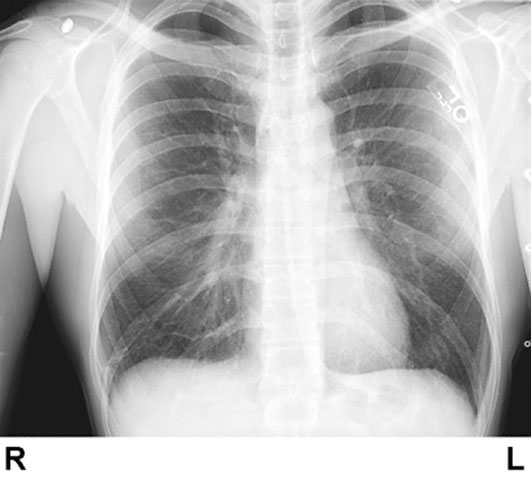
A 27-year-old man comes to the physician because of an 8-month history of shortness of breath with exertion. He has a 1-week history of mild shortness of breath after climbing one flight of stairs. He has not had fever, cough, or weight loss. He does not smoke. He is employed as an office worker. Vital signs are within normal limits. Jugular venous pressure is 7 cm H2O. There is clubbing of the fingers bilaterally. Crackles are heard throughout the lungs. Arterial blood gas analysis on room air shows:
pH
7.44
Pco2
34 mm Hg
Po2
62 mm Hg
An x-ray of the chest is shown. Pulmonary function tests show a normal FEV1:FVC ratio and decreased diffusion capacity of the lung for carbon monoxide. Which of the following is the most likely explanation for this patient’s dyspnea?
CorrectIncorrect -
Question 20 of 50
20. Question
A 62-year-old man comes to the physician because of a 5-kg (11-lb) weight loss during the past 2 months despite no change in appetite. He has mild hypertension treated with hydrochlorothiazide. He is 178 cm (5 ft 10 in) tall and weighs 88 kg (195 lb); BMI is 28 kg/m2. His temperature is 37°C (98.6°F), pulse is 84/min and regular, and blood pressure is 150/94 mm Hg. Examination shows no other abnormalities. Serum studies show:
Na+
135 mEq/L
K+
3.8 mEq/L
HCO3−
25 mEq/L
Glucose
328 mg/dL
Which of the following is the most likely cause of these laboratory findings?
CorrectIncorrect -
Question 21 of 50
21. Question
A 12-year-old boy with Crohn disease is brought to the physician because of a 2-week history of fever. His medications are sulfasalazine and prednisone. He is at the 50th percentile for height and 10th percentile for weight. Vital signs are within normal limits. Examination shows a 7-mm perianal skin tag. There is mild tenderness to palpation over the abdomen. Laboratory studies show:
Hematocrit
35% (N=36%–47%)
Leukocyte count
1000/mm3
Platelet count
200,000/mm3
Serum anti–neutrophil cytoplasmic antibody assay
negative
Which of the following is the most likely explanation for these laboratory findings?
CorrectIncorrect -
Question 22 of 50
22. Question
A 32-year-old man comes to the office because of a 1-week history of leg swelling and increasing shortness of breath on exertion. Last night, he had difficulty breathing while lying flat. Two weeks ago, he had muscle pain, dry cough, and fever to 38.3°C (101°F), but his symptoms resolved without treatment. Today, his temperature is 37°C (98.6°F), pulse is 110/min, respirations are 20/min, and blood pressure is 100/70 mm Hg. Jugular venous pressure is 15 cm H2O (N=5–9). Diffuse crackles are heard over the lower half of both lung fields. A grade 2/6 holosystolic murmur is heard best at the apex. There is an S3 gallop. There is 2+ edema of the lower extremities. Echocardiography shows ventricular dilation and an ejection fraction of 20%. In addition to a diuretic, which of the following is the most appropriate pharmacotherapy?
CorrectIncorrect -
Question 23 of 50
23. Question
A 37-year-old primigravid woman at 15 weeks’ gestation comes to the physician for her first prenatal visit. She has no history of serious illness and takes no medications. Pelvic examination shows a uterus consistent in size with a 15-week gestation. Her maternal serum α-fetoprotein concentration is 0.2 multiples of the median. This patient’s fetus is at increased risk for which of the following?
CorrectIncorrect -
Question 24 of 50
24. Question
A 37-year-old man comes to the emergency department 2 hours after the sudden onset of chest pain while using cocaine. He is on parole for charges of drug possession and breaking and entering. He drinks six cans of beer daily. His temperature is 37°C (98.6°F), pulse is 84/min, respirations are 20/min, and blood pressure is 160/95 mm Hg. Physical examination shows diaphoresis. There are old needle track marks on his arms. He is alert and oriented to person, place, and time. There is no evidence of paranoia or hallucinations. During the examination, his girlfriend asks him where he got the cocaine, and he provides the dealer’s name. An ECG shows an evolving anterior wall myocardial infarction. After stabilization, which of the following is the most appropriate next step regarding disclosure of his drug use?
CorrectIncorrect -
Question 25 of 50
25. Question
A 7-year-old girl is admitted to the intensive care unit because of a 5-hour history of confusion, seizures, vomiting, and diarrhea. Her mother says the symptoms began suddenly with no known cause. The patient has no history of serious illness and receives no medications. On examination, she is obtunded. There is dry skin, poor skin turgor, hyperreflexia, and myoclonus. The mother hovers by the patient’s bedside and appears to be concerned about caring for her. For a nonmedical professional, the mother is unusually knowledgeable about medicine, which she demonstrates during frequent conversations with the nursing staff. During the early morning hours on hospital day 1, a nurse enters the patient’s room and finds the mother trying to administer an unknown medication to the patient. Further investigation shows that the mother has a history of psychiatric illness and has been administering her own psychotropic medication to her daughter. Administration of which of the following medications is the most likely explanation for this patient’s presenting symptoms?
CorrectIncorrect -
Question 26 of 50
26. Question
A 37-year-old man who is a sergeant in the US Army comes to the clinic because of a 4-week history of fever, mild cramping abdominal pain, and occasional bloody diarrhea. During this time, he has had a 3-kg (7-lb) weight loss because of decreased appetite. He has not had nausea or vomiting. He has no history of serious illness, has no known allergies, and takes no medications. Four weeks ago, he returned from a deployment to the Caribbean in support of humanitarian efforts after a natural disaster. During the deployment, he frequently ate food and drank water sold by local street vendors. He appears uncomfortable but is not in acute distress. Temperature is 38.0°C (100.4°F), pulse is 88/min, respirations are 12/min, and blood pressure is 128/72 mm Hg. Abdominal examination shows softness with mild right lower quadrant tenderness. There is no hepatosplenomegaly and no rebound or guarding. The remainder of the examination shows no abnormalities. Results of laboratory studies are shown:
Hemoglobin
11.4 g/dL
Hematocrit
33%
Leukocyte count
11,000/mm3
Segmented neutrophils
78%
Bands
2%
Eosinophils
4%
Lymphocytes
15%
Monocytes
1%
Platelet count
210,000/mm3
Serum liver enzyme activities and results of a comprehensive serum metabolic panel are within the reference ranges. Which of the following stool studies is most likely to confirm the diagnosis?
CorrectIncorrect -
Question 27 of 50
27. Question
A 32-year-old man is brought to the physician by his wife because he has fallen several times and has had progressive confusion during the past 3 days. He reports difficulty keeping his balance while walking. He sustained a left femoral fracture in a motor vehicle collision 3 years ago and a right metacarpal fracture in a fight 1 year ago. He has a history of pancreatitis, gastroesophageal reflux disease, and major depressive disorder. Current medications are pantoprazole and sertraline. He is oriented to person and place but not to time. His temperature is 37°C (98.6°F), pulse is 110/min, and blood pressure is 150/90 mm Hg. Examination shows difficulty with conjugate gaze and bilateral weakness on abduction of both eyes. His gait is broad based and ataxic. Laboratory studies show:
Hemoglobin
13 g/dL
Hematocrit
39%
Mean corpuscular volume
98 μm3
Serum
Total bilirubin
1 mg/dL
AST
69 U/L
ALT
65 U/L
Supplementation with which of the following would most likely have prevented this patient’s current condition?
CorrectIncorrect -
Question 28 of 50
28. Question
An 11-year-old boy is brought to the office by his parents because he has refused to attend school during the past 2 months. His parents say he has become increasingly anxious during this time. He has refused to give them an explanation for why he is avoiding school. The patient received 4 months of psychotherapy at the age of 8 years because he insisted on changing his shirt several times before leaving the house to go to school and was always late. According to the parents, he was diagnosed with an anxiety disorder, and his shirt-changing behavior stopped after 10 sessions. He has no other history of serious illness and receives no medications. Physical examination shows no abnormalities. When interviewed alone, the patient explains to the physician that, “My mother has developed diabetes, and I cannot get it out of my head that she will die if I go to school.” He adds that several times daily, he checks to make sure there is enough insulin in the house. Which of the following is the most likely diagnosis?
CorrectIncorrect -
Question 29 of 50
29. Question
A 57-year-old woman, gravida 2, para 2, comes to the physician 3 weeks after noticing a mass in her right breast during self-examination. Ten years ago, she underwent stereotactic biopsy of the left breast that showed a benign adenoma. Menarche was at the age of 13 years, and menses occurred at regular 28-day intervals until menopause 6 years ago. She delivered her first child at the age of 28 years. The patient’s maternal aunt had breast cancer diagnosed at the age of 67 years. Examination of the patient’s right breast shows a 3-cm, fixed, tender, solid mass in the upper outer quadrant. No regional lymphadenopathy is palpated. Examination of the left breast shows a faint surgical scar but no other abnormalities. Which of the following is the strongest predisposing risk factor for breast cancer in this patient?
CorrectIncorrect -
Question 30 of 50
30. Question
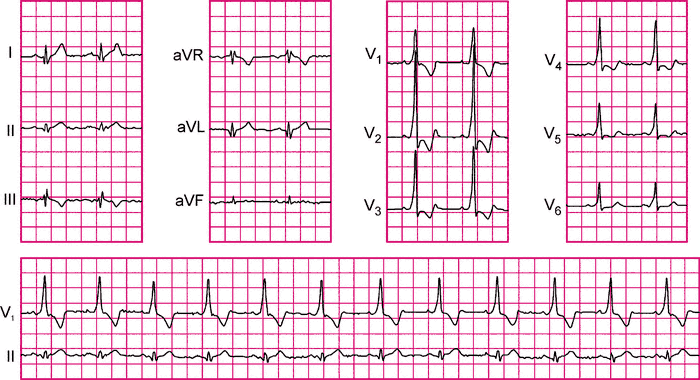
A 19-year-old woman is brought to the office because of a 3-month history of recurrent palpitations and light-headedness. She is a college athlete, and the episodes usually occur during vigorous exercise, last 2 to 3 minutes, and subside spontaneously. She has been in good health and does not take dietary supplements or medications. A complete blood count and serum electrolyte and thyroid-stimulating hormone concentrations are within the reference ranges. An ECG is shown. Which of the following is the most appropriate next step in management?
CorrectIncorrect -
Question 31 of 50
31. Question
A 9-year-old girl is brought to the physician by her mother because of concern that her daughter’s breasts have been enlarging during the past 3 months. The girl is dressed similarly to her mother and says that she enjoys wearing her mother’s clothing, playing with makeup, and “being a girl.” The mother’s only medication is a progestin-only oral contraceptive. The patient is at the 80th percentile for height and weight. Breast development is sexual maturity rating (SMR) stage 2, and pubic hair development is SMR stage 3. There is scant axillary hair. Examination shows no other findings. Which of the following is the most likely cause of this patient’s breast development?
CorrectIncorrect -
Question 32 of 50
32. Question
A 4-year-old boy is brought to the emergency department by his parents because of a 2-day history of increasingly severe pain of his right leg with an associated limp. He has not fallen or sustained any trauma. One week ago, he was treated with amoxicillin for a middle ear infection. He has no history of serious illness and currently takes no medications. He is at the 50th percentile for height and weight. Vital signs are within normal limits. On examination, the patient holds the right hip flexed and externally rotated. Passive range of motion of the right hip is limited by pain. An x-ray of the right hip shows no abnormalities. His leukocyte count is 10,000/mm3, erythrocyte sedimentation rate is 15 mm/h, and serum C-reactive protein concentration is 1.5 mg/L (N=0.08–3.1). Which of the following is the most appropriate treatment for this patient?
CorrectIncorrect -
Question 33 of 50
33. Question
A 9-month-old boy is brought to the office by his parents because they are concerned about swelling in his abdomen that has been present since birth and has increased during the past 2 weeks. The patient’s diet consists of cow milk-based formula, baby food, and some solid food. He has six wet diapers and one bowel movement daily. He has no history of serious illness and receives no medications. He is at the 75th percentile for length, weight, and head circumference. Vital signs are within normal limits. Abdominal examination shows a 2-cm protrusion from the umbilicus that is easily reducible; there is no erythema, induration, or tenderness to palpation. Which of the following is the most appropriate next step in management?
CorrectIncorrect -
Question 34 of 50
34. Question
A pediatric clinic implements a screening test for determining alcohol use in adolescent patients. The screening test has an 85% sensitivity and 95% specificity. A 15-year-old boy has a positive result prior to being examined by the physician. The prevalence of alcohol use in the adolescent patients in this clinic is 10%. Which of the following best explains how the positive result on the screening test affects the probability that this patient consumes alcohol?
CorrectIncorrect -
Question 35 of 50
35. Question
A 27-year-old woman comes to the emergency department because of “boils” on her groin and in her armpits. She has had one previous episode during pregnancy 2 years ago requiring incision and drainage. Examination shows an inflamed, tender, foul-smelling nodule in the left axilla with seropurulent drainage and erythematous papules in the inguinal-femoral region. A 2-week course of broad-spectrum antibiotics is started, and the axillary abscess is drained. Which of the following is the most likely natural course of this disease?
CorrectIncorrect -
Question 36 of 50
36. Question
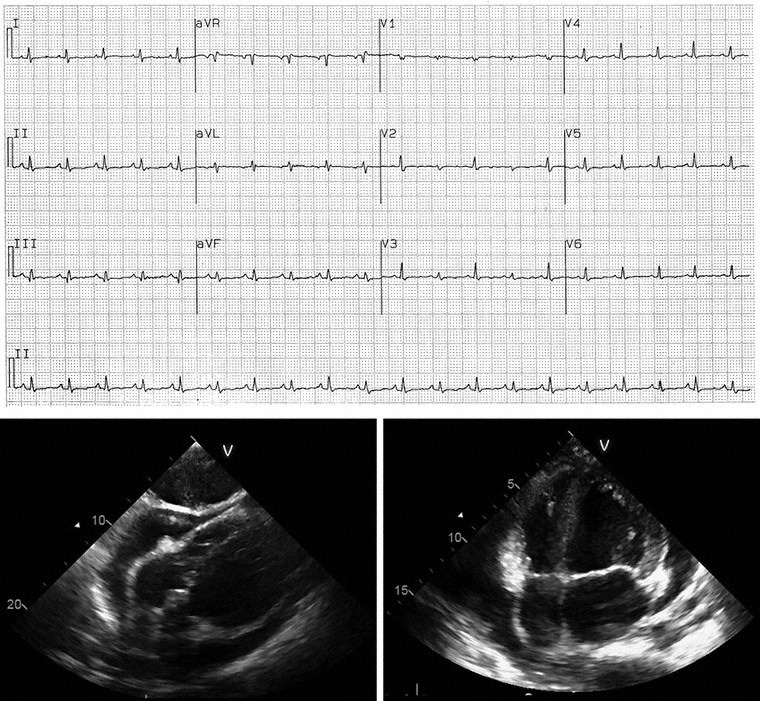
Patient Information
Age: 62 years
Gender: F, self-identified
Ethnicity: unspecified
Site of Care: office
History
Reason for Visit/Chief Concern: “I’m having chest pain, and my heart is racing; I can’t seem to catch my breath.”
History of Present Illness:
• 3-day history of worsening chest pain, palpitations, and shortness of breath
• reports nonproductive cough and feeling warm, attributed to an upper respiratory tract infection 5 to 7 days ago
• symptoms exacerbated by exertion and lying flat
• symptoms alleviated by rest and sitting up
• has not had similar symptoms previously
Past Medical History:
• 20-year history of hypertension
• 2-year history of osteoporosis
• mild anxiety
Medications:
• amlodipine
• calcium supplement and vitamin D supplementation
• prn: alprazolam for sleep and anxiety
• prn ibuprofen for occasional back pain
• prn guaifenesin for recent viral respiratory infection
Allergies:
• no known drug allergies
Psychosocial History:
• does not smoke cigarettes
• drinks two to four alcoholic beverages weekly
• does not use illicit drugs
• works part-time as a teller at a bank
• sexually active and monogamous with her husband
• no recent travel
Physical Examination
Temp
Pulse
Resp
BP
O2 Sat
Ht
Wt
BMI
36.9°C
115/min
18/min
110/82 mm Hg
94%
162 cm
75 kg
28 kg/m2
(98.5°F)
on RA
(5 ft 4 in)
(165 lb)
• Appearance: awake, alert, interactive
• HEENT: pupils are equal, round, and reactive to light; conjunctivae are anicteric; mucous membranes are moist
• Pulmonary: bilateral basilar crackles approximately one-quarter of the way up the posterior lung fields; no rhonchi or wheezes
• Cardiac: tachycardia with a regular rhythm, S1 and S2, without murmurs, rubs, or gallops; jugular venous pressure 7 cm H2O above the sternal angle
• Abdominal: no abnormalities
• Extremities: no abnormalities
• Neurologic: no abnormalities
Diagnostic Studies
• ECG and parasternal (left) and four-chamber (right) echocardiography views are shown
Question: Which of the following is the most likely diagnosis?
CorrectIncorrect -
Question 37 of 50
37. Question
A study is conducted to evaluate the effectiveness of testing stool for occult blood. One thousand men between the ages of 45 and 60 years who come to the physician for a routine health maintenance examination are enrolled in the study. Results show that 70 of 100 patients with colon cancer have a positive test of the stool for occult blood, and 720 of 900 patients without colon cancer have a negative test of the stool for occult blood. Which of the following is the most accurate conclusion regarding this study?
CorrectIncorrect -
Question 38 of 50
38. Question
A medical director of a multisite internal medicine practice wants to maximize delivery of preventive services to patients. The practice has four sites, each employing one lead physician, one office manager, and 50 internists. Which of the following strategies is most likely to be effective?
CorrectIncorrect -
Question 39 of 50
39. Question
A 2-year-old boy is brought to the physician by his mother because of a 1-week history of rectal tissue protruding from his anus when he strains vigorously during bowel movements. The tissue retracts spontaneously within 1 hour. His mother notes that his stools are hard. He has no history of serious illness and receives no medications. Immunizations are up-to-date. Growth and development are appropriate for age. The patient’s paternal uncle has a history of intermittent abdominal pain and diarrhea; he recently began a gluten-free diet on the advice of a friend. The patient’s family dog recently was treated for worms. Examination of the patient shows no abnormalities; the anus appears normal. Which of the following is the most likely cause of this patient’s symptom?
CorrectIncorrect -
Question 40 of 50
40. Question
A 32-year-old man comes to the physician for a follow-up examination. He was admitted to the hospital 2 months ago for treatment of Pneumocystis jirovecii pneumonia and received the diagnosis of HIV infection at that time. After discharge from the hospital, he completed his antibiotic course but missed scheduled follow-up appointments. He currently takes no medications. He says he feels well. Examination shows no abnormalities. Which of the following is the most appropriate next step in management?
CorrectIncorrect -
Question 41 of 50
41. Question
A 37-year-old woman comes to the physician for evaluation of malnutrition secondary to systemic sclerosis (scleroderma). Six months ago, she had an elective abortion because of her poor medical condition and has had a 9-kg (20-lb) weight loss since that time. She says she has difficulty falling asleep; she awakens daily at 4 am and cannot go back to sleep. She is 173 cm (5 ft 8 in) tall and weighs 48 kg (105 lb); BMI is 16 kg/m2. Physical examination shows no other abnormalities. On mental status examination, she is sad and tearful and reports feeling hopeless. Her serum albumin concentration is 2.2 g/dL. In addition to aggressive nutritional support, which of the following is the most appropriate pharmacotherapy?
CorrectIncorrect -
Question 42 of 50
42. Question
A 72-year-old man comes to the office for a routine examination. He underwent carotid endarterectomy and five-vessel coronary artery bypass grafting 1 and 5 years ago, respectively. He has hypertension, hyperlipidemia, chronic kidney disease, and gastroesophageal reflux disease. Medications are clopidogrel, hydrochlorothiazide, metoprolol, atorvastatin, famotidine, and aspirin. He has smoked two packs of cigarettes daily for 50 years. Temperature is 37.0°C (98.6°F), pulse is 62/min, respirations are 12/min, and blood pressure is 184/96 mm Hg. Examination shows no other abnormalities. Results of laboratory studies are shown:
Hemoglobin
13.6 g/dL
Hematocrit
44%
Leukocyte count
8500/mm3
Serum
Na+
134 mEq/L
K+
4.1 mEq/L
Cl−
98 mEq/L
HCO3−
24 mEq/L
Urea nitrogen
22 mg/dL
Creatinine
1.5 mg/dL
Lisinopril is added to the medication regimen. Two weeks later, the patient returns to the physician for a follow-up visit. Pulse is 64/min, and blood pressure is 136/84 mm Hg. Examination is otherwise unchanged. Results of laboratory studies are shown:
Serum
Urea nitrogen
46 mg/dL
Creatinine
3.6 mg/dL
Urine
Blood
none
Protein
none
Hyaline casts
0–1/hpf
Which of the following is the most likely cause of the change in renal function in this patient?
CorrectIncorrect -
Question 43 of 50
43. Question
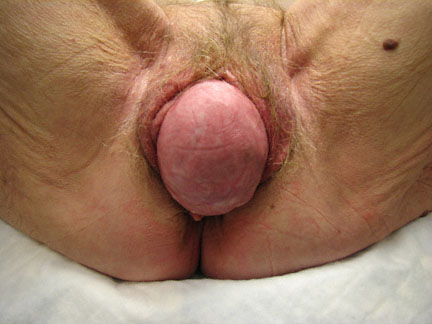
A 62-year-old woman, gravida 3, para 3, comes to the physician because of a 3-month history of a painless mass protruding from her vagina with bowel movements. She has the sensation of incomplete emptying of the bladder unless she pushes the mass back into her vagina. During the past 5 years, she has had increased pelvic pressure with prolonged standing or lifting. She does not have urine loss when coughing or laughing. She has no history of serious illness and takes no medications. All her pregnancies ended in uncomplicated vaginal deliveries. The patient is 160 cm (5 ft 3 in) tall and weighs 50 kg (110 lb); BMI is 20 kg/m2. Vital signs are within normal limits. A photograph of the mass is shown. Examination shows no other abnormalities. Which of the following is the most likely diagnosis?
CorrectIncorrect -
Question 44 of 50
44. Question
A 1-day-old male newborn is evaluated in the hospital nursery. He was born at term to a 23-year-old woman, gravida 1, para 1, following an uncomplicated pregnancy and spontaneous vaginal delivery. Apgar scores were 7 and 8 at 1 and 5 minutes, respectively. He has been bottle-fed but feeds slowly. On examination of the patient’s mother, grip strength is 4/5, and she has difficulty releasing her grip. The mother is adopted; her and the father’s family medical histories are unknown. The patient does not appear to be in distress. He is at the 45th percentile for length, 75th percentile for weight, and 50th percentile for head circumference. His temperature is 35.7°C (96.2°F), pulse is 132/min, respirations are 36/min, and blood pressure is 82/45 mm Hg. Pulse oximetry on room air shows an oxygen saturation of 98%. He does not have a vigorous suck or loud cry. On passive range of motion, muscle tone is decreased throughout. Spontaneous movements are decreased when the patient is awake. Moro reflex is poor. Deep tendon reflexes are absent. The remainder of the examination shows no abnormalities. Which of the following is the most likely diagnosis?
CorrectIncorrect -
Question 45 of 50
45. Question
An 88-year-old woman remains hospitalized 1 day after undergoing an 8-hour total hip replacement. She is 163 cm (5 ft 4 in) tall and weighs 77 kg (169 lb); BMI is 29 kg/m2. Her temperature is 36.8°C (98.2°F), pulse is 73/min, respirations are 12/min, and blood pressure is 152/89 mm Hg. Examination shows edema of the left gluteus maximus and palsy of the sciatic nerve. A urinary catheter is in place and contains red-colored urine. Laboratory studies show:
Serum
Na+
138 mEq/L
K+
6 mEq/L
Cl−
98 mEq/L
HCO3−
20 mEq/L
Ca2+
8 mg/dL
Creatinine
2 mg/dL
Creatine kinase
20,000 U/L
Phosphorus
4.0 mg/dL
Alkaline phosphatase
110 U/L
Urine
Blood
2+
Protein
2+
RBC
4/hpf
WBC
0/hpf
Which of the following is the most appropriate next step in management?
CorrectIncorrect -
Question 46 of 50
46. Question
A 67-year-old man is brought to the emergency department because of a 2-day history of confusion. His wife says he is forgetful and disoriented to time and place. He has small cell carcinoma of the lung, type 2 diabetes mellitus, and hypertension. His medications are lisinopril and metformin. He smoked one and one-half packs of cigarettes daily for 45 years but quit 5 years ago. He drinks six to seven 12-oz beers weekly. On arrival, he has a generalized tonic-clonic seizure. He is unarousable. His blood pressure is 136/76 mm Hg; other vital signs are within normal limits. Examination shows normal skin turgor; there is no edema. Neurologic examination shows no focal findings. Laboratory studies show:
Serum
Na+
110 mEq/L
K+
3.5 mEq/L
Urea nitrogen
10 mg/dL
Glucose
220 mg/dL
Creatinine
0.8 mg/dL
Uric acid
3.6 mg/dL
Urine
Sodium
60 mEq/L
Osmolality
650 mOsmol/kg H2O
Following admission to the hospital, which of the following is the most appropriate next step in management?
CorrectIncorrect -
Question 47 of 50
47. Question
A 67-year-old woman is admitted to the hospital because of severe shortness of breath. She has a 15-year history of emphysema. Her written advance directive states that she does not want mechanical ventilation in the event of respiratory failure. She now states that she has changed her mind and asks the physician to “do everything” for her, including mechanical ventilation if necessary for survival. Her husband states that she never wanted to “live on a machine.” She is oriented to person, place, time, and situation. Her pulse is 110/min, respirations are 28/min and labored, and blood pressure is 90/60 mm Hg. Examination shows diffuse expiratory wheezing. Inspiratory crackles are heard over the right upper and lower lung fields. Arterial blood gas analysis on 100% oxygen by face mask shows:
pH
7.19
Pco2
70 mm Hg
Po2
60 mm Hg
Which of the following is the most appropriate next step in patient care?
CorrectIncorrect -
Question 48 of 50
48. Question
Six hours after undergoing esophagectomy for esophageal cancer, a 52-year-old man’s blood pressure increases from 130/86 mm Hg to 180/100 mm Hg. Despite receiving an epidural infusion of fentanyl, he rates incisional pain as an 8 on a 10-point scale. He is receiving 5% dextrose in 0.45% saline (125 mL/h); including fluids administered intraoperatively, his fluid balance is +4 L. His postoperative urine output is 50 mL. His pulse is 110/min, and respirations are 18/min. Pulse oximetry on room air shows an oxygen saturation of 100%. Examination shows a dry, intact incision site and a patent nasogastric tube that irrigates clear fluid. The lungs are clear to auscultation. The abdomen is flat, and there is exquisite incisional tenderness. The remainder of the examination shows no abnormalities. His hemoglobin concentration is 10.5 g/dL, and hematocrit is 32%. The most appropriate next step in management of this patient’s increased blood pressure is intravenous administration of a medication from which of the following drug classes?
CorrectIncorrect -
Question 49 of 50
49. Question
A 1000-g (2-lb 3-oz) newborn has no spontaneous breathing following delivery at 34 weeks’ gestation. He is intubated and mechanically ventilated, and he is admitted to the neonatal intensive care unit. Pregnancy was complicated by marked oligohydramnios. His temperature is 36.5°C (97.7°F), and pulse is 160/min. Examination shows flat facies. Breath sounds are decreased. Heart sounds are normal. There are no abdominal masses. Which of the following is the most likely cause of these findings?
CorrectIncorrect -
Question 50 of 50
50. Question
A previously healthy 22-year-old man comes to the physician because of a 1-week history of a severe, frequent, nonproductive cough. His temperature is 37.7°C (99.8°F), pulse is 104/min, respirations are 20/min, and blood pressure is 118/72 mm Hg. Pulse oximetry on room air shows an oxygen saturation of 95%. Mild diffuse crackles are heard. The remainder of the examination shows no abnormalities. A chest x-ray shows diffuse bilateral interstitial infiltrates. Which of the following is the most likely causal organism?
CorrectIncorrect