
CK- NBME 12 – Block 1
Time limit: 0
Quiz Summary
0 of 20 Questions completed
Questions:
Information
You have already completed the quiz before. Hence you can not start it again.
Quiz is loading…
You must sign in or sign up to start the quiz.
You must first complete the following:
Results
Quiz complete. Results are being recorded.
Results
0 of 20 Questions answered correctly
Your time:
Time has elapsed
You have reached 0 of 0 point(s), (0)
Earned Point(s): 0 of 0, (0)
0 Essay(s) Pending (Possible Point(s): 0)
Categories
- Not categorized 0%
- 1
- 2
- 3
- 4
- 5
- 6
- 7
- 8
- 9
- 10
- 11
- 12
- 13
- 14
- 15
- 16
- 17
- 18
- 19
- 20
- Current
- Review
- Answered
- Correct
- Incorrect
-
Question 1 of 20
1. Question
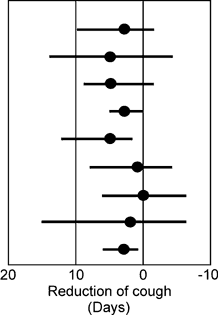
A meta-analysis of nine small, randomized-controlled trials is performed to evaluate the efficacy of inhaled corticosteroid therapy in patients with a persistent cough after an upper respiratory tract infection. Results of one of the trials show a statistically significant benefit with an average reduction in cough of 5 days in the treated group as compared with the control group. Two other studies show p-values for benefit of 0.07. The results of the studies are shown. Which of the following is the strongest rationale for performing a meta-analysis?
CorrectIncorrect -
Question 2 of 20
2. Question
A 63-year-old woman comes to the office for an examination before undergoing ventral hernia repair. She has a 3-month history of increasingly severe abdominal cramps and low back pain, which are worse at night, and heartburn, which typically occurs after she pushes her grandson on a swing. She avoids most physical activity because of these symptoms. She has type 2 diabetes mellitus treated with metformin. Fifteen years ago, she underwent total abdominal hysterectomy for dysfunctional uterine bleeding. She smoked one pack of cigarettes daily for 8 years but quit 35 years ago. She is 160 cm (5 ft 3 in) tall and weighs 72 kg (160 lb); BMI is 28 kg/m2. Vital signs are within normal limits. Cardiopulmonary examination shows no abnormalities. There is truncal obesity. A 10 × 10-cm, easily reducible mass is palpable under the midline scar. Which of the following is the most appropriate next step in management?
CorrectIncorrect -
Question 3 of 20
3. Question
Physician A is approaching the end of his shift at the outpatient clinic when he hears the sound of glass breaking in Physician B’s office. When Physician A enters Physician B’s office to ensure that she is OK, he sees her cleaning up pieces of a wine glass. Physician B says she bought a bottle of wine earlier today and initially intended to bring it home, but she decided to open it and drink “a little” because she was stressed following a meeting with the department chair. Physician B says she was just about to go see her last patient of the day. Which of the following is the most appropriate immediate action by Physician A?
CorrectIncorrect -
Question 4 of 20
4. Question
A 65-year-old man comes to the office for follow-up 5 days after discharge from the hospital, where he received treatment for an exacerbation of chronic obstructive pulmonary disease. Medical history otherwise is unremarkable. Medications are fluticasone-salmeterol, tiotropium, albuterol as necessary, and a 5-day prednisone taper; he also has 4 days remaining of a 7-day course of doxycycline. Since discharge, he has been taking his medications as directed and has noticed improvement in his breathing and decreased coughing. He smoked one pack of cigarettes daily for 50 years but quit before his hospital admission. He does not drink alcoholic beverages. Vital signs are pulse 90/min, respirations 20/min, and blood pressure 120/80 mm Hg. Pulse oximetry on room air shows an oxygen saturation of 94%. Auscultation of the lungs discloses decreased breath sounds with occasional wheezing and no crackles. Cardiac examination discloses a soft S1 and S2. There is no clubbing of the digits or edema of the extremities. In considering this patient’s risk for readmission, which of the following is the most appropriate management?
CorrectIncorrect -
Question 5 of 20
5. Question
A 32-year-old primigravid woman at 16 weeks’ gestation comes to the physician for a prenatal visit. She has bipolar disorder. Her medications are lithium carbonate and a prenatal vitamin. Physical examination shows a uterus consistent in size with a 16-week gestation. On mental status examination, she is cooperative and fully oriented. She has a euthymic mood and congruent affect. Thought processes are linear. She reports reading about the possible adverse effects of mood stabilizers on the developing fetus and asks if she should stop taking lithium carbonate. Which of the following is the most appropriate recommendation regarding this patient’s medication regimen during pregnancy?
CorrectIncorrect -
Question 6 of 20
6. Question
A 30-year-old primigravid woman at 10 weeks’ gestation comes to the physician for her first prenatal visit. She has polycystic ovarian syndrome. She conceived following clomiphene therapy, and her only current medication is a prenatal vitamin. She is 165 cm (5 ft 5 in) tall and weighs 82 kg (180 lb); BMI is 30 kg/m2. Examination shows a uterus consistent in size with a 10-week gestation. Which of the following is the most appropriate recommendation for this patient during her pregnancy?
CorrectIncorrect -
Question 7 of 20
7. Question
A previously healthy 57-year-old man comes to the emergency department 1 hour after the sudden onset of severe occipital headache. His temperature is 37.2°C (99°F), pulse is 92/min, respirations are 18/min, and blood pressure is 180/98 mm Hg. He is mildly lethargic but oriented to person, place, and time. Neurologic examination shows no other abnormalities. A CT scan of the head shows no abnormalities. Which of the following is the most appropriate next step in management?
CorrectIncorrect -
Question 8 of 20
8. Question
A 45-year-old woman comes to the clinic because of a 2-month history of increasingly severe epigastric pain, bloating, and intermittent nausea and vomiting. During this time, she has had decreased appetite resulting in a 3.6-kg (8-lb) weight loss. She has hypertension and type 2 diabetes mellitus. The conditions have been poorly controlled during the past 2 years, because she has not been adherent to her medication regimen. The patient has no history of operative procedures. Medications are metformin, insulin glargine, atorvastatin, lisinopril, and daily aspirin. She appears well. She is 157 cm (5 ft 2 in) tall and weighs 91 kg (200 lb); BMI is 37 kg/m2. Temperature is 37.0°C (98.6°F), pulse is 78/min, respirations are 12/min, and blood pressure is 124/68 mm Hg. The abdomen is protuberant; there is no organomegaly or tenderness to palpation. Bowel sounds are decreased. Results of a complete blood count, metabolic profile, and determination of serum lipase activity are within the reference ranges. Which of the following is the most appropriate next step in diagnosis?
CorrectIncorrect -
Question 9 of 20
9. Question
A 54-year-old man comes to the office because of a 3-week history of a dull ache along the back of his left ankle that is worse in the morning when he gets out of bed. The pain also worsens when he plays tennis on weekends. Acetaminophen once daily has provided moderate relief of the pain. Medical history is unremarkable, and the patient takes no other medications. He is 178 cm (5 ft 10 in) tall and weighs 99 kg (219 lb); BMI is 31 kg/m2. Vital signs are within normal limits. The patient appears well. There is mild swelling and tenderness to palpation at the proximal aspect of the Achilles tendon. The remainder of the examination discloses no abnormalities. Thompson test is negative. In addition to recommending rest, which of the following is the most appropriate next step in management?
CorrectIncorrect -
Question 10 of 20
10. Question
A 10-year cohort study is conducted to investigate the effect of cigarette smoking on the incidence of head and neck cancers in adults. A total of 10,000 adult participants with no history of any type of cancer are enrolled in the study; 2000 participants are current cigarette smokers and 8000 are current nonsmokers and have never smoked cigarettes. During the 10-year study period, 20 smokers and eight nonsmokers develop head and neck cancer. Based on these data, which of the following best represents the attributable risk from smoking for head and neck cancer among current cigarette smokers?
CorrectIncorrect -
Question 11 of 20
11. Question
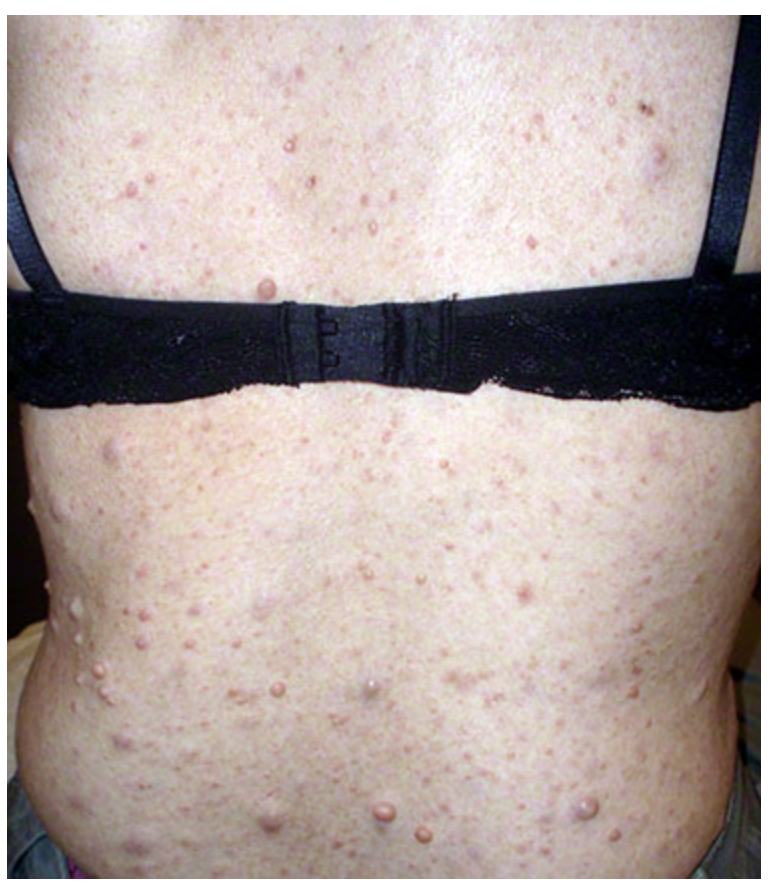
A 15-year-old girl is brought to the office for a well-child examination. She has no history of serious illness and takes no medications. Her temperature is 36.9°C (98.4°F), pulse is 86/min, respirations are 16/min, and blood pressure is 100/60 mm Hg. A photograph of the back is shown. The remainder of the examination shows no abnormalities. In addition to routine annual growth and development assessments, which of the following is the most appropriate recommendation regarding routine screening in this patient?
 CorrectIncorrect
 -
Question 12 of 20
12. Question
A 7-year-old girl is brought to the physician by her mother because she is concerned that her daughter has had two episodes of vaginal bleeding during the past 3 months. She also has had breast development during this time. Development had been appropriate for age. She is at the 48th percentile for height and 47th percentile for weight and BMI. Breast development is sexual maturity rating (SMR) stage 2, and axillary and pubic hair development is SMR stage 3. Examination shows normal-appearing external genitalia. Pelvic examination is deferred. An MRI of the pelvis shows a normal vagina and cervix. The uterus is 4 cm long, and a 7 × 6-cm left ovarian mass is seen. Which of the following is the most appropriate next step in management?
CorrectIncorrect -
Question 13 of 20
13. Question
A 3-year-old boy is brought to the physician because of a scaling lesion on the scalp for 7 days. The family has no pets; the day-care center that the child attends has a pet turtle. The other children at the day-care center are asymptomatic. Examination of the scalp shows a thin plaque with alopecia and scaling. Which of the following is the most appropriate pharmacotherapy to prevent spread to the children in the day-care center?
CorrectIncorrect -
Question 14 of 20
14. Question
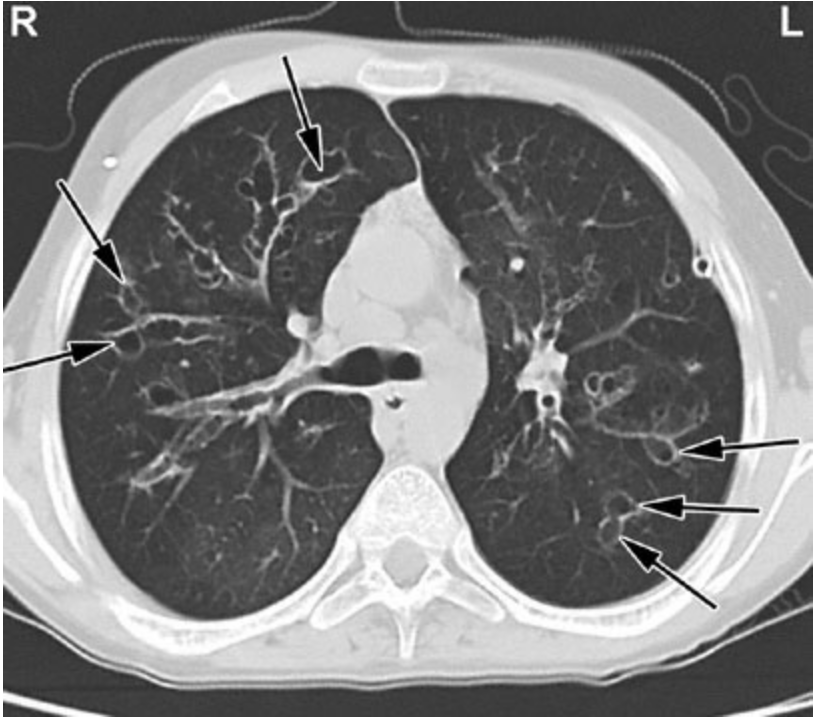
A 5-year-old boy is brought to the physician by his parents as a new patient because they are concerned that he may have an immunodeficiency. The family recently moved to the area. The parents say their son’s previous physician had been examining him for the condition. The patient has had six episodes of pneumonia and 10 episodes of sinusitis since birth. He underwent uncomplicated surgical drainage of the sinuses at the ages of 3 and 4 years. He had his first episode of otitis media at the age of 2 months and underwent uncomplicated placement of tympanostomy tubes at the age of 7 months. His umbilical stump fell off at the age of 2 weeks. The patient’s previous leukocyte, lymphocyte, and platelet counts; serum immunoglobulin and CH50 concentrations; and diphtheria, tetanus, pneumococcal, and Haemophilus influenzae type b titers are within the reference ranges. Six previous chest x-rays showed lower lobe consolidations in inconsistent locations; subsequent x-rays showed clearing of the infiltrates. Today, vital signs are within normal limits. Examination shows no abnormalities. A CT scan of the chest is shown. Which of the following is the most likely diagnosis?
 CorrectIncorrect
 -
Question 15 of 20
15. Question
A physician, who is covering for a colleague who is out of town, receives a telephone call at the office from a dentist regarding whether antibiotic prophylaxis is needed for a scaling procedure for the colleague’s patient. The patient is a 50-year-old woman with mitral valve prolapse diagnosed 15 years ago prior to her transferring to the colleague’s care. She has never had endocarditis. Further review of the patient’s medical record indicates no documentation of echocardiography. She also has hypertension, type 2 diabetes mellitus, and an allergy to penicillin. Medications are lisinopril and metformin. Cardiac examination from the patient’s last office visit 6 months ago showed a normal pulse and no murmurs. Which of the following is the most appropriate next step in management of the colleague’s patient?
CorrectIncorrect -
Question 16 of 20
16. Question
A 52-year-old woman with amyotrophic lateral sclerosis has been receiving mechanical ventilation in the hospital for the past 4 weeks. She is taking no medications. Attempts at discontinuing mechanical ventilation have been unsuccessful. Her parents visit her often and participate in her health care decisions. The physician tells her and her parents that she could require mechanical ventilation for several more years and recommends transfer to a facility for ventilator-dependent patients. Although her parents approve of this recommendation, the patient refuses placement and asks to have mechanical ventilation and all other life-sustaining treatments withheld. She says, “I would rather die now than spend the rest of my life in one of those places.” Which of the following is the most appropriate next step in management?
CorrectIncorrect -
Question 17 of 20
17. Question
A 62-year-old man comes to the physician because of a lesion on his right temple for 3 months. He works as a farmer. Examination shows a 1.5-cm ulcerated lesion over the right temple area; the lesion has a raised margin and a waxy border. If left untreated, which of the following is the most likely sequela of the lesion?
CorrectIncorrect -
Question 18 of 20
18. Question
A 57-year-old man comes to the emergency department because of a 6-hour history of fatigue and mild shortness of breath. He has type 2 diabetes mellitus, hypertension, and anuric renal failure requiring hemodialysis. He reports having missed his regularly scheduled dialysis session 2 days ago. His current medications are enalapril, amlodipine, insulin, calcitriol, and calcium supplementation. His temperature is 37°C (98.6°F), pulse is 110/min, respirations are 24/min, and blood pressure is 160/100 mm Hg. Examination shows no jugular venous distention. Crackles are heard at both lung bases. Heart sounds are normal. Serum studies show a potassium concentration of 6.8 mEq/L, urea nitrogen concentration of 120 mg/dL, and creatinine concentration of 9.9 mg/dL. An ECG shows sinus tachycardia at 115/min, with widening of the PR and QRS intervals and peaked T waves. Intravenous administration of which of the following is the most appropriate next step in treatment?
CorrectIncorrect -
Question 19 of 20
19. Question
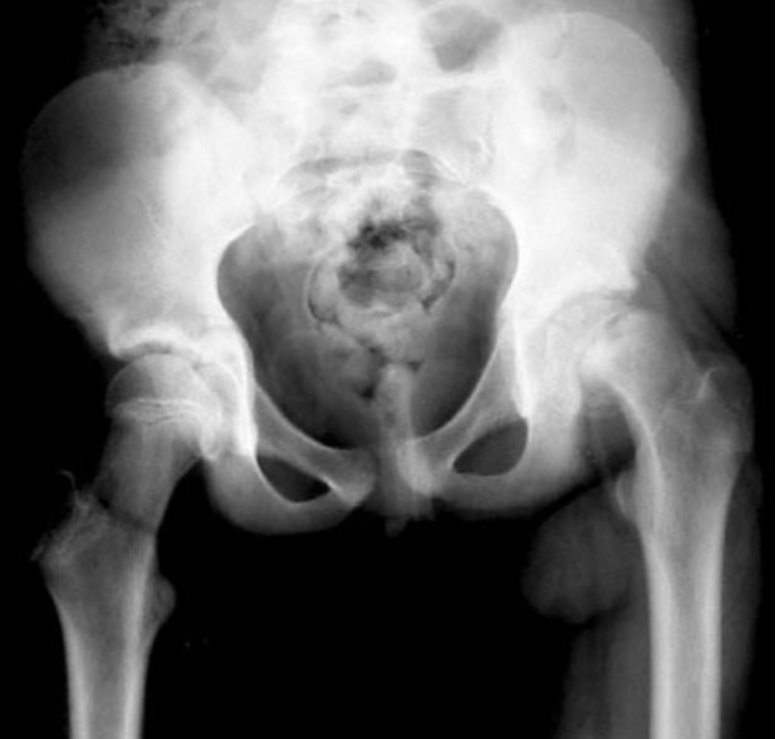
A 13-year-old boy is brought to the physician because of intermittent pain in his right thigh during the past 6 weeks. The symptoms are exacerbated by running, and his mother reports that he limps for 30 minutes after running. He has no history of serious illness and takes no medications. He recalls no recent trauma to either leg. He has practiced with the school football team three times weekly for the past 2 months. He is at the 75th percentile for height and 95th percentile for weight and BMI. Examination shows a normal gait. There is no tenderness of the right hip or thigh. Internal rotation of the right hip is difficult, especially when the knee is flexed. Genital and pubic hair development are sexual maturity rating (SMR) stage 3. An x-ray of the hips is shown. Which of the following is the most appropriate treatment?
 CorrectIncorrect
 -
Question 20 of 20
20. Question
An 87-year-old woman with type 2 diabetes mellitus comes to the physician for evaluation of a nonhealing foot ulcer that has increasingly worse tissue necrosis and erythema. She has a 2-year history of mild to moderate dementia, Alzheimer type, with no recent changes in cognitive status. The patient lives alone with the help of various neighbors. Her only family is an out-of-town sister, with whom she last spoke 1 year ago. Physical examination shows a 2-cm ulcer that exposes the head of the first metatarsal. There is 1 cm of necrosis and 2 cm of erythema around the edge of the ulcer. On mental status examination, the patient is alert and oriented to person and place but thinks that the year is 1999. She recalls one of three objects after 5 minutes. A below-the-knee amputation is recommended. The risks and benefits of the operation are discussed with the patient. She understands and repeats the discussion correctly. Attempts to contact her sister are unsuccessful. Which of the following is the most appropriate next step in management?
CorrectIncorrect