
CK- NBME 12 – Block 1
Quiz Summary
0 of 50 Questions completed
Questions:
Information
You have already completed the quiz before. Hence you can not start it again.
Quiz is loading…
You must sign in or sign up to start the quiz.
You must first complete the following:
Results
Results
0 of 50 Questions answered correctly
Your time:
Time has elapsed
You have reached 0 of 0 point(s), (0)
Earned Point(s): 0 of 0, (0)
0 Essay(s) Pending (Possible Point(s): 0)
Categories
- Not categorized 0%
- 1
- 2
- 3
- 4
- 5
- 6
- 7
- 8
- 9
- 10
- 11
- 12
- 13
- 14
- 15
- 16
- 17
- 18
- 19
- 20
- 21
- 22
- 23
- 24
- 25
- 26
- 27
- 28
- 29
- 30
- 31
- 32
- 33
- 34
- 35
- 36
- 37
- 38
- 39
- 40
- 41
- 42
- 43
- 44
- 45
- 46
- 47
- 48
- 49
- 50
- Current
- Review
- Answered
- Correct
- Incorrect
-
Question 1 of 50
1. Question
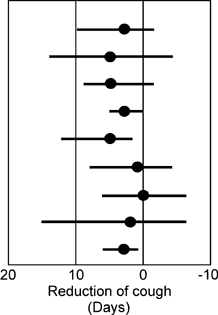
A meta-analysis of nine small, randomized-controlled trials is performed to evaluate the efficacy of inhaled corticosteroid therapy in patients with a persistent cough after an upper respiratory tract infection. Results of one of the trials show a statistically significant benefit with an average reduction in cough of 5 days in the treated group as compared with the control group. Two other studies show p-values for benefit of 0.07. The results of the studies are shown. Which of the following is the strongest rationale for performing a meta-analysis?
CorrectIncorrect -
Question 2 of 50
2. Question
A 63-year-old woman comes to the office for an examination before undergoing ventral hernia repair. She has a 3-month history of increasingly severe abdominal cramps and low back pain, which are worse at night, and heartburn, which typically occurs after she pushes her grandson on a swing. She avoids most physical activity because of these symptoms. She has type 2 diabetes mellitus treated with metformin. Fifteen years ago, she underwent total abdominal hysterectomy for dysfunctional uterine bleeding. She smoked one pack of cigarettes daily for 8 years but quit 35 years ago. She is 160 cm (5 ft 3 in) tall and weighs 72 kg (160 lb); BMI is 28 kg/m2. Vital signs are within normal limits. Cardiopulmonary examination shows no abnormalities. There is truncal obesity. A 10 × 10-cm, easily reducible mass is palpable under the midline scar. Which of the following is the most appropriate next step in management?
CorrectIncorrect -
Question 3 of 50
3. Question
Physician A is approaching the end of his shift at the outpatient clinic when he hears the sound of glass breaking in Physician B’s office. When Physician A enters Physician B’s office to ensure that she is OK, he sees her cleaning up pieces of a wine glass. Physician B says she bought a bottle of wine earlier today and initially intended to bring it home, but she decided to open it and drink “a little” because she was stressed following a meeting with the department chair. Physician B says she was just about to go see her last patient of the day. Which of the following is the most appropriate immediate action by Physician A?
CorrectIncorrect -
Question 4 of 50
4. Question
A 65-year-old man comes to the office for follow-up 5 days after discharge from the hospital, where he received treatment for an exacerbation of chronic obstructive pulmonary disease. Medical history otherwise is unremarkable. Medications are fluticasone-salmeterol, tiotropium, albuterol as necessary, and a 5-day prednisone taper; he also has 4 days remaining of a 7-day course of doxycycline. Since discharge, he has been taking his medications as directed and has noticed improvement in his breathing and decreased coughing. He smoked one pack of cigarettes daily for 50 years but quit before his hospital admission. He does not drink alcoholic beverages. Vital signs are pulse 90/min, respirations 20/min, and blood pressure 120/80 mm Hg. Pulse oximetry on room air shows an oxygen saturation of 94%. Auscultation of the lungs discloses decreased breath sounds with occasional wheezing and no crackles. Cardiac examination discloses a soft S1 and S2. There is no clubbing of the digits or edema of the extremities. In considering this patient’s risk for readmission, which of the following is the most appropriate management?
CorrectIncorrect -
Question 5 of 50
5. Question
A 32-year-old primigravid woman at 16 weeks’ gestation comes to the physician for a prenatal visit. She has bipolar disorder. Her medications are lithium carbonate and a prenatal vitamin. Physical examination shows a uterus consistent in size with a 16-week gestation. On mental status examination, she is cooperative and fully oriented. She has a euthymic mood and congruent affect. Thought processes are linear. She reports reading about the possible adverse effects of mood stabilizers on the developing fetus and asks if she should stop taking lithium carbonate. Which of the following is the most appropriate recommendation regarding this patient’s medication regimen during pregnancy?
CorrectIncorrect -
Question 6 of 50
6. Question
A 30-year-old primigravid woman at 10 weeks’ gestation comes to the physician for her first prenatal visit. She has polycystic ovarian syndrome. She conceived following clomiphene therapy, and her only current medication is a prenatal vitamin. She is 165 cm (5 ft 5 in) tall and weighs 82 kg (180 lb); BMI is 30 kg/m2. Examination shows a uterus consistent in size with a 10-week gestation. Which of the following is the most appropriate recommendation for this patient during her pregnancy?
CorrectIncorrect -
Question 7 of 50
7. Question
A previously healthy 57-year-old man comes to the emergency department 1 hour after the sudden onset of severe occipital headache. His temperature is 37.2°C (99°F), pulse is 92/min, respirations are 18/min, and blood pressure is 180/98 mm Hg. He is mildly lethargic but oriented to person, place, and time. Neurologic examination shows no other abnormalities. A CT scan of the head shows no abnormalities. Which of the following is the most appropriate next step in management?
CorrectIncorrect -
Question 8 of 50
8. Question
A 45-year-old woman comes to the clinic because of a 2-month history of increasingly severe epigastric pain, bloating, and intermittent nausea and vomiting. During this time, she has had decreased appetite resulting in a 3.6-kg (8-lb) weight loss. She has hypertension and type 2 diabetes mellitus. The conditions have been poorly controlled during the past 2 years, because she has not been adherent to her medication regimen. The patient has no history of operative procedures. Medications are metformin, insulin glargine, atorvastatin, lisinopril, and daily aspirin. She appears well. She is 157 cm (5 ft 2 in) tall and weighs 91 kg (200 lb); BMI is 37 kg/m2. Temperature is 37.0°C (98.6°F), pulse is 78/min, respirations are 12/min, and blood pressure is 124/68 mm Hg. The abdomen is protuberant; there is no organomegaly or tenderness to palpation. Bowel sounds are decreased. Results of a complete blood count, metabolic profile, and determination of serum lipase activity are within the reference ranges. Which of the following is the most appropriate next step in diagnosis?
CorrectIncorrect -
Question 9 of 50
9. Question
A 54-year-old man comes to the office because of a 3-week history of a dull ache along the back of his left ankle that is worse in the morning when he gets out of bed. The pain also worsens when he plays tennis on weekends. Acetaminophen once daily has provided moderate relief of the pain. Medical history is unremarkable, and the patient takes no other medications. He is 178 cm (5 ft 10 in) tall and weighs 99 kg (219 lb); BMI is 31 kg/m2. Vital signs are within normal limits. The patient appears well. There is mild swelling and tenderness to palpation at the proximal aspect of the Achilles tendon. The remainder of the examination discloses no abnormalities. Thompson test is negative. In addition to recommending rest, which of the following is the most appropriate next step in management?
CorrectIncorrect -
Question 10 of 50
10. Question
A 10-year cohort study is conducted to investigate the effect of cigarette smoking on the incidence of head and neck cancers in adults. A total of 10,000 adult participants with no history of any type of cancer are enrolled in the study; 2000 participants are current cigarette smokers and 8000 are current nonsmokers and have never smoked cigarettes. During the 10-year study period, 20 smokers and eight nonsmokers develop head and neck cancer. Based on these data, which of the following best represents the attributable risk from smoking for head and neck cancer among current cigarette smokers?
CorrectIncorrect -
Question 11 of 50
11. Question
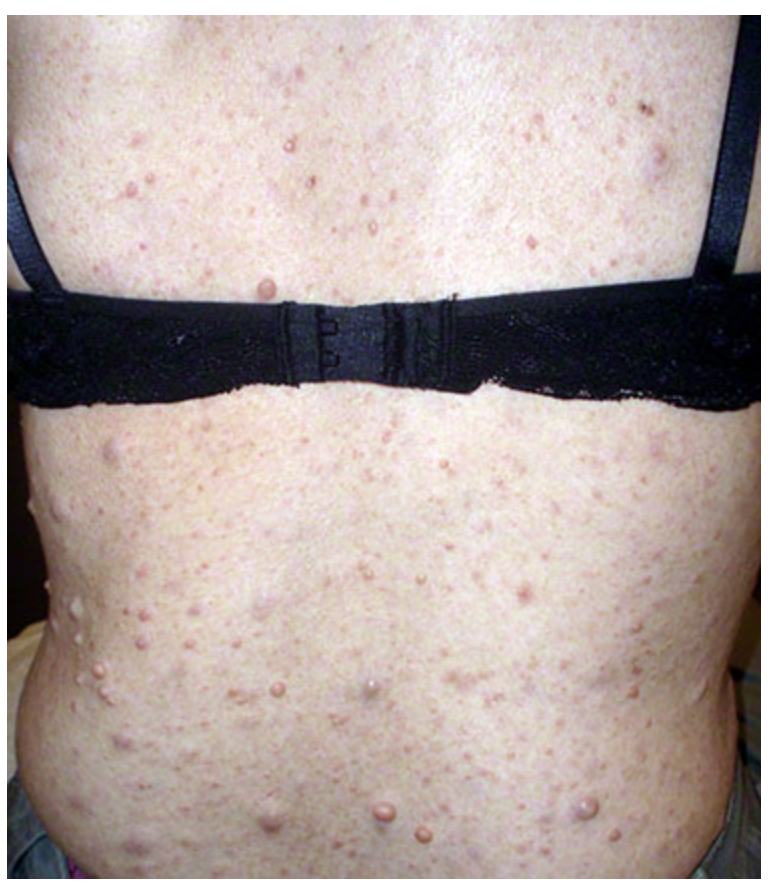
A 15-year-old girl is brought to the office for a well-child examination. She has no history of serious illness and takes no medications. Her temperature is 36.9°C (98.4°F), pulse is 86/min, respirations are 16/min, and blood pressure is 100/60 mm Hg. A photograph of the back is shown. The remainder of the examination shows no abnormalities. In addition to routine annual growth and development assessments, which of the following is the most appropriate recommendation regarding routine screening in this patient?
 CorrectIncorrect
 -
Question 12 of 50
12. Question
A 7-year-old girl is brought to the physician by her mother because she is concerned that her daughter has had two episodes of vaginal bleeding during the past 3 months. She also has had breast development during this time. Development had been appropriate for age. She is at the 48th percentile for height and 47th percentile for weight and BMI. Breast development is sexual maturity rating (SMR) stage 2, and axillary and pubic hair development is SMR stage 3. Examination shows normal-appearing external genitalia. Pelvic examination is deferred. An MRI of the pelvis shows a normal vagina and cervix. The uterus is 4 cm long, and a 7 × 6-cm left ovarian mass is seen. Which of the following is the most appropriate next step in management?
CorrectIncorrect -
Question 13 of 50
13. Question
A 3-year-old boy is brought to the physician because of a scaling lesion on the scalp for 7 days. The family has no pets; the day-care center that the child attends has a pet turtle. The other children at the day-care center are asymptomatic. Examination of the scalp shows a thin plaque with alopecia and scaling. Which of the following is the most appropriate pharmacotherapy to prevent spread to the children in the day-care center?
CorrectIncorrect -
Question 14 of 50
14. Question
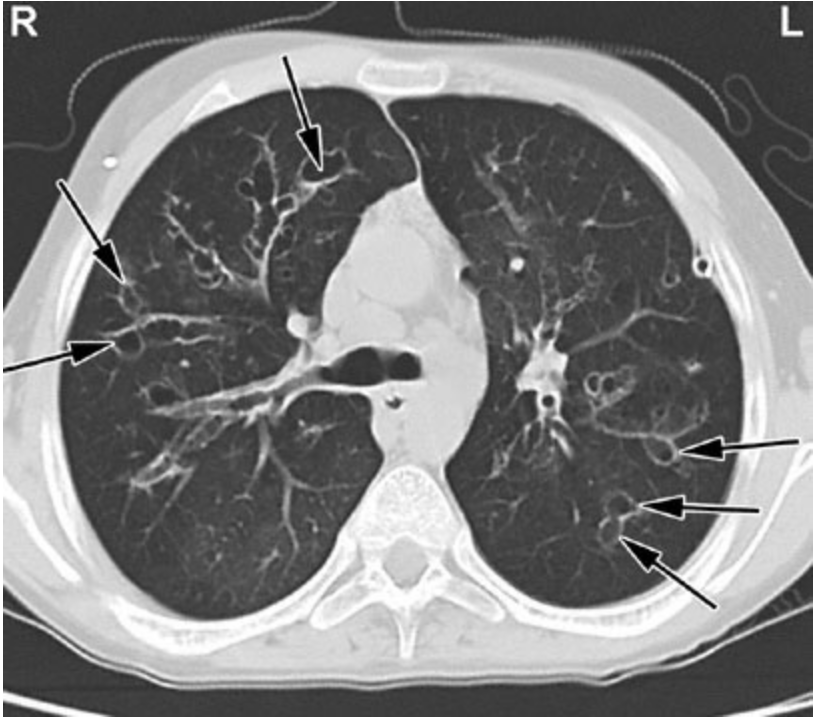
A 5-year-old boy is brought to the physician by his parents as a new patient because they are concerned that he may have an immunodeficiency. The family recently moved to the area. The parents say their son’s previous physician had been examining him for the condition. The patient has had six episodes of pneumonia and 10 episodes of sinusitis since birth. He underwent uncomplicated surgical drainage of the sinuses at the ages of 3 and 4 years. He had his first episode of otitis media at the age of 2 months and underwent uncomplicated placement of tympanostomy tubes at the age of 7 months. His umbilical stump fell off at the age of 2 weeks. The patient’s previous leukocyte, lymphocyte, and platelet counts; serum immunoglobulin and CH50 concentrations; and diphtheria, tetanus, pneumococcal, and Haemophilus influenzae type b titers are within the reference ranges. Six previous chest x-rays showed lower lobe consolidations in inconsistent locations; subsequent x-rays showed clearing of the infiltrates. Today, vital signs are within normal limits. Examination shows no abnormalities. A CT scan of the chest is shown. Which of the following is the most likely diagnosis?
 CorrectIncorrect
 -
Question 15 of 50
15. Question
A physician, who is covering for a colleague who is out of town, receives a telephone call at the office from a dentist regarding whether antibiotic prophylaxis is needed for a scaling procedure for the colleague’s patient. The patient is a 50-year-old woman with mitral valve prolapse diagnosed 15 years ago prior to her transferring to the colleague’s care. She has never had endocarditis. Further review of the patient’s medical record indicates no documentation of echocardiography. She also has hypertension, type 2 diabetes mellitus, and an allergy to penicillin. Medications are lisinopril and metformin. Cardiac examination from the patient’s last office visit 6 months ago showed a normal pulse and no murmurs. Which of the following is the most appropriate next step in management of the colleague’s patient?
CorrectIncorrect -
Question 16 of 50
16. Question
A 52-year-old woman with amyotrophic lateral sclerosis has been receiving mechanical ventilation in the hospital for the past 4 weeks. She is taking no medications. Attempts at discontinuing mechanical ventilation have been unsuccessful. Her parents visit her often and participate in her health care decisions. The physician tells her and her parents that she could require mechanical ventilation for several more years and recommends transfer to a facility for ventilator-dependent patients. Although her parents approve of this recommendation, the patient refuses placement and asks to have mechanical ventilation and all other life-sustaining treatments withheld. She says, “I would rather die now than spend the rest of my life in one of those places.” Which of the following is the most appropriate next step in management?
CorrectIncorrect -
Question 17 of 50
17. Question
A 62-year-old man comes to the physician because of a lesion on his right temple for 3 months. He works as a farmer. Examination shows a 1.5-cm ulcerated lesion over the right temple area; the lesion has a raised margin and a waxy border. If left untreated, which of the following is the most likely sequela of the lesion?
CorrectIncorrect -
Question 18 of 50
18. Question
A 57-year-old man comes to the emergency department because of a 6-hour history of fatigue and mild shortness of breath. He has type 2 diabetes mellitus, hypertension, and anuric renal failure requiring hemodialysis. He reports having missed his regularly scheduled dialysis session 2 days ago. His current medications are enalapril, amlodipine, insulin, calcitriol, and calcium supplementation. His temperature is 37°C (98.6°F), pulse is 110/min, respirations are 24/min, and blood pressure is 160/100 mm Hg. Examination shows no jugular venous distention. Crackles are heard at both lung bases. Heart sounds are normal. Serum studies show a potassium concentration of 6.8 mEq/L, urea nitrogen concentration of 120 mg/dL, and creatinine concentration of 9.9 mg/dL. An ECG shows sinus tachycardia at 115/min, with widening of the PR and QRS intervals and peaked T waves. Intravenous administration of which of the following is the most appropriate next step in treatment?
CorrectIncorrect -
Question 19 of 50
19. Question
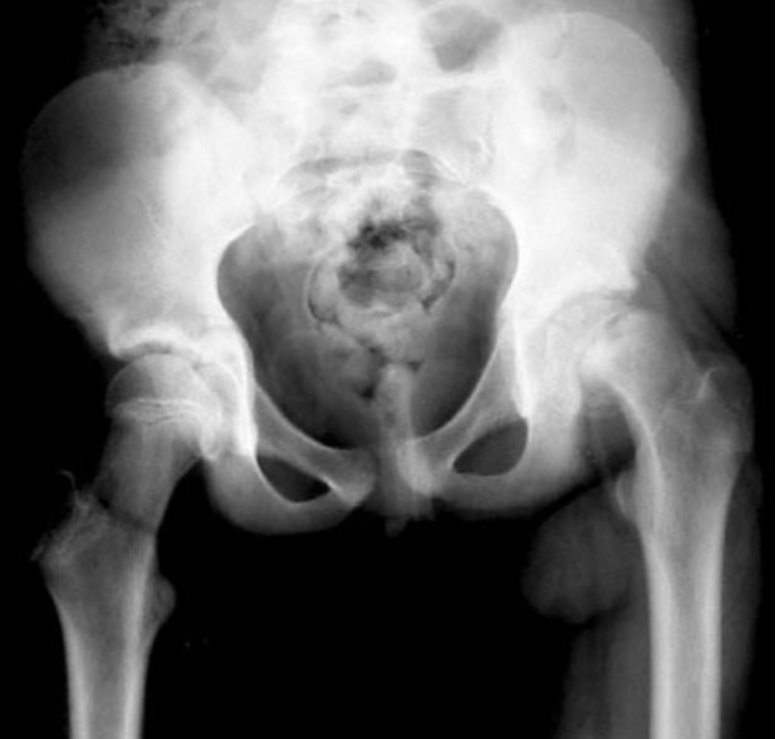
A 13-year-old boy is brought to the physician because of intermittent pain in his right thigh during the past 6 weeks. The symptoms are exacerbated by running, and his mother reports that he limps for 30 minutes after running. He has no history of serious illness and takes no medications. He recalls no recent trauma to either leg. He has practiced with the school football team three times weekly for the past 2 months. He is at the 75th percentile for height and 95th percentile for weight and BMI. Examination shows a normal gait. There is no tenderness of the right hip or thigh. Internal rotation of the right hip is difficult, especially when the knee is flexed. Genital and pubic hair development are sexual maturity rating (SMR) stage 3. An x-ray of the hips is shown. Which of the following is the most appropriate treatment?
 CorrectIncorrect
 -
Question 20 of 50
20. Question
An 87-year-old woman with type 2 diabetes mellitus comes to the physician for evaluation of a nonhealing foot ulcer that has increasingly worse tissue necrosis and erythema. She has a 2-year history of mild to moderate dementia, Alzheimer type, with no recent changes in cognitive status. The patient lives alone with the help of various neighbors. Her only family is an out-of-town sister, with whom she last spoke 1 year ago. Physical examination shows a 2-cm ulcer that exposes the head of the first metatarsal. There is 1 cm of necrosis and 2 cm of erythema around the edge of the ulcer. On mental status examination, the patient is alert and oriented to person and place but thinks that the year is 1999. She recalls one of three objects after 5 minutes. A below-the-knee amputation is recommended. The risks and benefits of the operation are discussed with the patient. She understands and repeats the discussion correctly. Attempts to contact her sister are unsuccessful. Which of the following is the most appropriate next step in management?
CorrectIncorrect -
Question 21 of 50
21. Question
A 47-year-old woman comes to the physician because of a 2-month history of substernal chest tightness and shortness of breath associated with exercise and relieved by rest. She previously walked 2 miles daily, but now she is limited to walking one-half block because of chest pain, dyspnea, and light-headedness. She has never smoked and drinks one to two beers daily. Her temperature is 36.8°C (98.2°F), pulse is 98/min, respirations are 20/min, and blood pressure is 110/82 mm Hg. Jugular venous pressure is 8 cm H2O. Crackles are heard at both lung bases. The point of maximal impulse is increased but not displaced; S1 is normal, but S2 is decreased. There is a grade 3/6, harsh systolic murmur at the cardiac base. Serum studies show a total cholesterol concentration of 210 mg/dL, HDL-cholesterol concentration of 95 mg/dL, and LDL-cholesterol concentration of 100 mg/dL. Which of the following is the most likely cause of this patient’s heart failure?
CorrectIncorrect -
Question 22 of 50
22. Question
A 30-year-old man who is in the US Army is brought to the emergency department of a military hospital 40 minutes after being hit by a motor vehicle traveling 25 mph while he was walking. On arrival, he is unconscious. Temperature is 36.0°C (96.8°F), pulse is 113/min, respirations are 22/min, and blood pressure is 80/55 mm Hg. Pulse oximetry on room air shows an oxygen saturation of 90%. On examination, the abdomen is rigid. He is resuscitated with 8 units of packed red blood cells, 6 units of fresh frozen plasma, and 2 units of platelets. Emergency laparotomy shows transection of the small bowel 5 cm proximal to the cecum. Laboratory studies done 45 minutes after arriving in the surgical intensive care unit show an activated partial thromboplastin time of 42 seconds and a prothrombin time of 25 seconds (INR=3.2). Which of the following is the most likely cause of the coagulation abnormalities in this patient?
CorrectIncorrect -
Question 23 of 50
23. Question
A 25-year-old woman, gravida 1, para 1, comes to the office because of a 3-month history of chronic moderate perianal pain and bleeding that began 3 days after she gave birth via cesarean delivery. Before the onset of her symptoms, she had constipation associated with the use of postdelivery oxycodone therapy. The constipation resolved after she discontinued the medication, but her bowel movements have been painful and she has noticed blood on the toilet tissue. One week ago, the patient’s obstetrician prescribed topical hydrocortisone and diltiazem, which provide temporary relief but do not resolve her symptoms. The patient’s medical history otherwise is unremarkable and she takes no other medications. Family history is unremarkable. Vital signs are temperature 37.2°C (99.0°F), pulse 80/min, respirations 20/min, and blood pressure 130/80 mm Hg. Examination of the anus shows a deep wound in the posterior midline with exposure of the internal sphincter muscle and an associated 1.5-cm skin tag. Which of the following is the most appropriate next step in management?
CorrectIncorrect -
Question 24 of 50
24. Question
A 42-year-old man is brought to the emergency department by paramedics 1 hour after his girlfriend found him confused and agitated in his home. The girlfriend says that when she spoke with him on the telephone last night, she noted no problems, but she became worried when he did not answer his telephone 3 hours ago. He has a 3-year history of chronic back pain for which he takes oxycodone. He also has major depressive disorder and seasonal allergies treated with citalopram and diphenhydramine, respectively. On arrival, he is confused, screaming loudly, and actively pulling against wrist restraints. His temperature is 38°C (100.4°F), pulse is 163/min, respirations are 24/min, and blood pressure is 215/105 mm Hg. Physical examination shows diaphoresis and tremulousness. The pupils are dilated. Which of the following is the most likely cause of this patient’s confusion?
CorrectIncorrect -
Question 25 of 50
25. Question
A 21-year-old woman, gravida 2, para 1, at 36 weeks’ gestation is admitted to the hospital in labor. She received no prenatal care. She has no history of operative procedures. She reports that she occasionally used cocaine before she knew she was pregnant but has abstained from illicit drug use during the past 8 months. On admission, the cervix is 5 cm dilated and 100% effaced; the vertex is at 0 station. There is a moderate amount of blood-tinged mucus. The membranes are artificially ruptured, yielding clear fluid. Her blood group is A, Rh-negative; a serum anti-D antibody titer is positive. During the next 30 minutes, fetal heart monitoring shows regular, sinusoidal wave forms. Which of the following is the most likely cause of this fetal heart rate pattern?
CorrectIncorrect -
Question 26 of 50
26. Question
A 22-year-old college student comes to the physician because of a 3-year history of falling asleep during her classes; she worries that she will not be able to continue with her education because of this. She says that she always has had difficulty staying awake during class, even in high school. She also occasionally has trouble staying awake during movies. She says she has no problems getting to sleep or waking up. She goes to bed between midnight and 1 am and gets up at 8 am. She has tried sleeping for longer durations, even up to 8½ hours, but she still has been unable to stay awake during the day. She has the greatest difficulty staying awake during her classes after lunch. She thinks that she sleeps very soundly and moves little during sleep because her bedsheets are neat when she awakens in the morning. She does not remember having dreams. She reports that no one has ever told her that she snores. She is 170 cm (5 ft 5 in) tall and weighs 62 kg (136 lb); BMI is 21 kg/m2. Physical examination shows no abnormalities. On mental status examination, she has a concerned mood and a reactive affect. Which of the following is the most appropriate next step in diagnosis?
CorrectIncorrect -
Question 27 of 50
27. Question
A 38-year-old woman comes to the office because of a 6-month history of progressive fatigue and muscle weakness. During this time, she has not been able to concentrate at work and has noticed that her voice has become hoarse. During the past 3 months, she has had a 5.4-kg (12-lb) weight gain despite limiting her food intake. She has bipolar disorder, type 2 diabetes mellitus, and hypercholesterolemia. Her medications are metformin, lisinopril, lithium, and pravastatin. She does not smoke cigarettes, drink alcohol, or use illicit drugs. Her temperature is 37°C (98.6°F), pulse is 50/min, respirations are 14/min, and blood pressure is 130/90 mm Hg. Examination shows cold skin and coarse hair over the scalp. There is a firm, nontender, symmetrically enlarged thyroid gland. Deep tendon reflexes are 1+. Her serum thyroid-stimulating hormone concentration is 25 μU/mL. Results of serum electrolyte concentrations and renal function tests are within the reference ranges. Antithyroid peroxidase antibody testing is negative. Which of the following is the most likely cause of these findings?
CorrectIncorrect -
Question 28 of 50
28. Question
A 27-year-old man comes to the emergency department because of a progressive rash and wheezing. Yesterday, the patient received the diagnosis of cellulitis of his right leg, and cephalexin therapy was begun. He has a history of mild, intermittent asthma and eczema. His only other medication is inhaled albuterol as needed. He had a mild allergic reaction to ampicillin as a child. He is in moderate distress. His temperature is 37°C (98.6°F), pulse is 118/min, respirations are 22/min, and blood pressure is 90/60 mm Hg. Examination shows a 3 x 3-cm, erythematous, warm, tender rash on the right leg that is unchanged from yesterday. There are new, raised, 1 x 2-cm pruritic lesions on the upper and lower extremities and trunk. Diffuse, scattered inspiratory and expiratory wheezes are heard bilaterally. Which of the following is the most likely diagnosis?
CorrectIncorrect -
Question 29 of 50
29. Question
A 37-year-old man comes to the physician because he has had two bowel movements containing bright red blood during the past 6 hours. He has a 3-day history of intermittent severe abdominal cramps and diarrhea. He has had five loose stools daily during this period. He has no history of serious illness and takes no medications. His last visit to a physician was 5 years ago. His most recent travel experience was a trip to Canada 6 months ago. His temperature is 37°C (98.6°F), pulse is 98/min, and blood pressure is 126/78 mm Hg. Abdominal examination shows diffuse severe tenderness with no peritoneal signs. Bowel sounds are increased. Rectal examination shows no abnormalities. There is no stool in the rectal vault. His hemoglobin concentration is 13 g/dL, leukocyte count is 12,300/mm3, and platelet count is 302,000/mm3. Which of the following is the most likely causal organism?
CorrectIncorrect -
Question 30 of 50
30. Question
A 50-year-old man with a 30-year history of paranoid schizophrenia is admitted to a psychiatric facility because of an exacerbation of his condition. His history includes multiple admissions to the hospital for his condition. The physician prescribes oral antipsychotic therapy and the patient agrees to take the medication while in the facility, but he says that he does not need it and he will stop taking the medication as soon as he is discharged. He states, “I don’t trust any of you. You’re all out to get me. But I’ll play along until my time here is done.” Which of the following is the most appropriate next step in management?
CorrectIncorrect -
Question 31 of 50
31. Question
An 8-year-old boy is brought to the emergency department because of a 2-day history of urinary urgency and frequency and right-sided abdominal cramps. The cramps are intermittent, and he cannot get comfortable in any position when they occur. He has not had fever, diarrhea, or constipation, but he has vomited twice. He has no history of similar episodes or serious illness. He takes no medications. His paternal uncle has a history of renal calculi, and his cousin has Crohn disease. The patient has no dietary restrictions. His temperature is 37.5°C (99.5°F). The right flank is tender to palpation. An abdominal x-ray shows a 3-mm ovoid, opaque mass in the right pelvis. Laboratory studies show:
Serum
Urea nitrogen
20 mg/dL
Creatinine
0.1 mg/dL
Urine
pH
6.5
RBC
30–50/hpf
WBC
3–5/hpf
In addition to administration of morphine, which of the following is the most appropriate next step in management?
CorrectIncorrect -
Question 32 of 50
32. Question
A previously healthy 57-year-old woman comes to the physician because of a 6-month history of muscle weakness and fatigue. The weakness began in the muscles of her face and has progressed to all of the muscles in her body. Examination shows bilateral ptosis and weakness of the left abducens muscle. An x-ray of the chest shows a mediastinal mass. Which of the following is the most appropriate next step in diagnosis of this patient’s neurologic findings?
CorrectIncorrect -
Question 33 of 50
33. Question
A 29-year-old woman, gravida 1, para 1, comes to the physician 1 week after noticing a mildly tender lump in her left breast. Five months ago, she delivered a healthy newborn at term following an uncomplicated pregnancy and spontaneous vaginal delivery. She is breast-feeding and says her infant feeds equally from both breasts. The patient has no history of serious illness, and her only medication is a prenatal vitamin. Her mother was diagnosed with breast cancer at the age of 61 years. The patient’s vital signs are within normal limits. Examination shows no axillary or supraclavicular lymphadenopathy. There is a 3-cm, smooth, mobile, cystic, tender mass in the upper outer quadrant of the left breast. Which of the following is the most appropriate next step in management?
CorrectIncorrect -
Question 34 of 50
34. Question
An 18-year-old man is brought to the physician 1 hour after he felt light-headed while playing basketball. He has not had chest pain, palpitations, or shortness of breath. He has no history of serious illness and takes no medications. His father died in a motor vehicle collision at the age of 35 years. There is no family history of serious illness. The patient’s pulse is 80/min, and blood pressure is 115/85 mm Hg. There is no jugular venous distention. Pulmonary examination shows no abnormalities. A diagram of cardiac auscultation is shown. The murmur does not change with inspiration, position, or Valsalva maneuver. An ECG shows no abnormalities. Which of the following is the most appropriate next step in management?
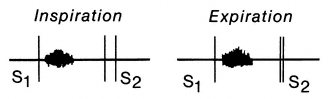 CorrectIncorrect
 -
Question 35 of 50
35. Question
A 37-year-old woman is brought to the emergency department 30 minutes after an episode of syncope at a shopping mall. She says she had shortness of breath and was sweating before she passed out. She has a childhood history of asthma. She currently has panic disorder and gastroesophageal reflux disease. Current medications include sertraline, omeprazole, and an oral contraceptive. On arrival, she is alert and oriented to person, place, and time. Her temperature is 37.4°C (99.3°F), pulse is 110/min, and blood pressure is 90/60 mm Hg. Pulse oximetry on room air shows an oxygen saturation of 90%. Examination, including neurologic examination, shows no abnormalities. Laboratory studies show:
Hemoglobin
12 g/dL
Hematocrit
36%
Leukocyte count
9000/mm3
Arterial blood gas analysis on room air:
pH
7.46
Pco2
30 mm Hg
Po2
62 mm Hg
Which of the following is the most likely explanation for these findings?
CorrectIncorrect -
Question 36 of 50
36. Question
A 62-year-old woman comes to the physician because of a 2-month history of generalized fatigue and mild low back pain. She has not had any other symptoms. She has no history of serious illness and takes no medications. Her last health maintenance examination was 10 months ago, and a complete blood count at that time was within the reference range. Examination today shows no abnormalities. Laboratory studies show:
Hematocrit
30%
Mean corpuscular volume
103 μm3
Leukocyte count
8200/mm3
Segmented neutrophils
67%
Bands
4%
Lymphocytes
29%
Platelet count
165,000/mm3
Serum
Ca2+
10.9 mg/dL
Creatinine
1.8 mg/dL
A blood smear is shown. Which of the following is the most appropriate next step to confirm the diagnosis?
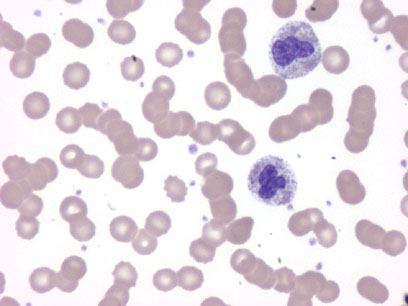 CorrectIncorrect
 -
Question 37 of 50
37. Question
A 37-year-old man comes to the physician for a routine health maintenance examination. He feels well. He has no history of serious illness and takes no medications. He received the hepatitis B vaccine at the age of 28 years. He does not smoke or drink alcohol. During the past 6 months, he has been sexually active with one male partner, and they do not use condoms. The patient works as an accountant and has not traveled outside the USA. Examination shows no abnormalities. A blood sample is obtained for serum lipid studies and an HIV antibody test. In addition to counseling this patient about risk factors for sexually transmitted diseases, which of the following is the most appropriate next step in management?
CorrectIncorrect -
Question 38 of 50
38. Question
A 27-year-old man comes to the physician because of a 1-month history of sudden episodes of a “scary choking feeling.” He has had three episodes during this period; the episodes are accompanied by nausea, sweating, and “heart pounding” sensations. The symptoms peak within 5 to 10 minutes and disappear about 15 minutes later. The first two episodes “came out of the blue” while he was at work; the last episode occurred when he was stuck in traffic. He is fearful that he will have another episode and that “someone will notice and think I’m going crazy.” He has no history of serious medical illness and takes no medications. He is a veteran of the U.S. Marine Corps and experienced some intense fighting 5 years ago. He has occasional nightmares involving combat and intermittent sadness when he thinks about military comrades who were killed. He has occasional difficulty falling asleep. He has had no changes in energy level or appetite. He is 175 cm (5 ft 9 in) tall and weighs 82 kg (180 lb); BMI is 27 kg/m2. Vital signs are within normal limits. Physical examination shows no abnormalities. On mental status examination, he is anxious but relates well with the physician. His serum thyroid-stimulating hormone concentration is within the reference range. A 12-lead ECG shows a normal sinus rhythm. Which of the following is the most appropriate pharmacotherapy?
CorrectIncorrect -
Question 39 of 50
39. Question
A 57-year-old man comes to the physician because of a 1-year history of low back pain that radiates to the buttocks when he walks. He has not had leg pain or pain at rest. The pain is relieved within 1 minute when he stops walking. He has a 1-year history of erectile dysfunction. He has smoked one pack of cigarettes daily for 30 years. His pulse is 85/min, and blood pressure is 160/100 mm Hg. Flexion of either hip with the knee extended does not cause pain. Pedal pulses are decreased. Sensation is intact. His hematocrit is 40%, erythrocyte sedimentation rate is 20 mm/h, and serum glucose concentration is 180 mg/dL. Which of the following is the most likely diagnosis?
CorrectIncorrect -
Question 40 of 50
40. Question
A 60-year-old female store clerk comes to the office for an annual health maintenance examination. Her medical history is unremarkable except for gastroesophageal reflux disease, for which she takes ranitidine at bedtime with good relief. Her last menstrual period was 6 years ago. Mammogram 5 years ago and Pap smear 2 years ago were normal. She does not exercise regularly. She eats a regular diet. She has smoked one pack of cigarettes daily for 40 years and drinks one to two glasses of wine weekly. Her family history is significant only for diet-controlled diabetes mellitus in her mother. The patient is 157 cm (5 ft 2 in) tall and weighs 68 kg (150 lb); BMI is 27 kg/m2. Her waist-to-hip ratio is 1.05. Cardiopulmonary, abdominal, and genitourinary examinations are normal for her age and sex assigned at birth. This patient’s greatest risk of mortality at this time is from which of the following?
CorrectIncorrect -
Question 41 of 50
41. Question
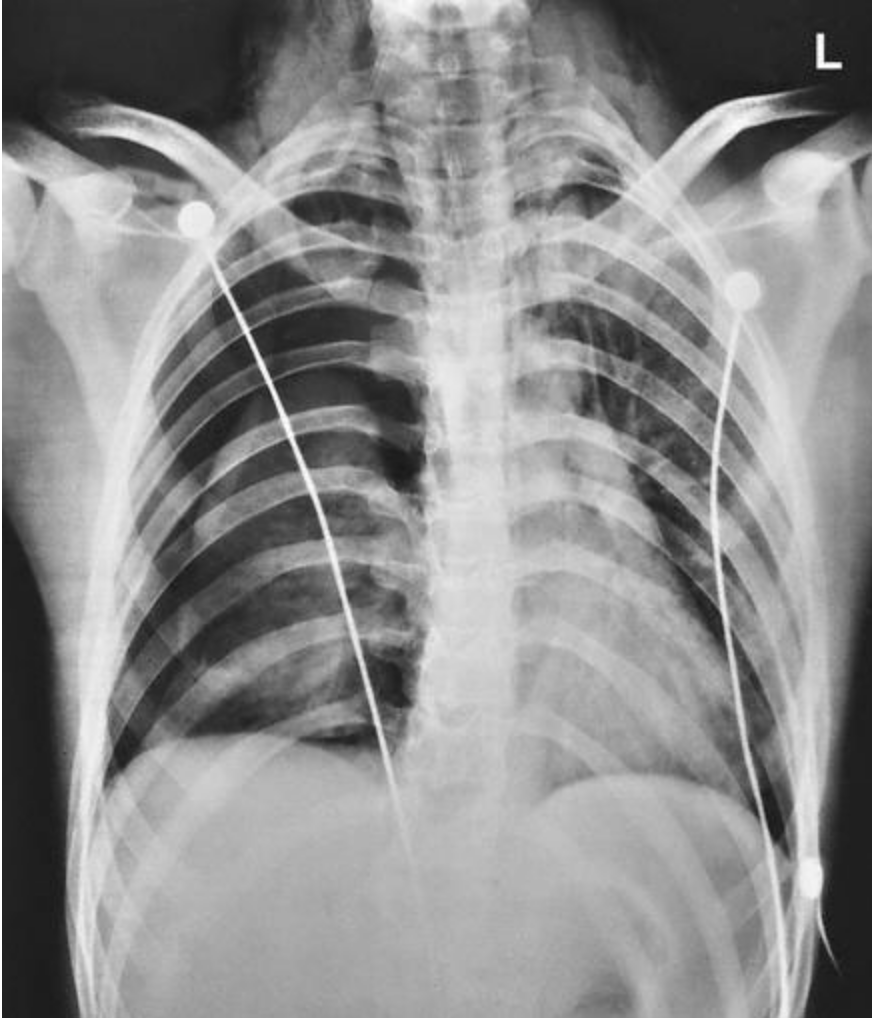
A 36-year-old man is brought to the emergency department after he developed chest pain and dyspnea while attempting a 10K run. He has had mild asthma for several years but he takes no medications for it. He says that he has developed a nonproductive cough recently. He has not had fever, but he has noticed a decrease in his appetite and a 2.5-kg (5-lb) weight loss during the past 6 weeks. Vital signs are pulse 100/min, respirations 26/min, and blood pressure 100/72 mm Hg. Pulse oximetry on room air shows an oxygen saturation of 92%. Breath sounds are diminished on the right and there is increased resonance on percussion. Chest x-ray is shown. Which of the following is the most appropriate treatment at this time?
CorrectIncorrect -
Question 42 of 50
42. Question
A 15-year-old girl is brought to the emergency department by her mother because of a 2-week history of heavy vaginal bleeding. Menarche was at the age of 14 years. Menses occur at irregular 21- to 35-day intervals and last 10 days with moderate flow. She has never been sexually active. She is not in distress. She is at the 55th percentile for height, 70th percentile for weight, and 60th percentile for BMI. Her temperature is 38°C (100.4°F), and blood pressure is 90/55 mm Hg. Examination shows pallor. Laboratory studies show a hemoglobin concentration of 9 g/dL, leukocyte count of 5500/mm3, and platelet count of 15,000/mm3. Which of the following is the most likely diagnosis?
CorrectIncorrect -
Question 43 of 50
43. Question
A 49-year-old man comes to the office because of a 2-week history of dark urine. He has had a 5-kg (11-lb) weight loss during the past month despite no change in appetite. He has no history of serious illness and takes no medications. His temperature is 37.5°C (99.5°F), pulse is 80/min, respirations are 12/min, and blood pressure is 132/86 mm Hg. Examination shows conjunctival icterus. A 5-cm, nontender mass is palpated in the right upper quadrant of the abdomen. Serum studies show a total bilirubin concentration of 6 mg/dL, with a direct component of 5.2 mg/dL, and a lactate dehydrogenase activity of 480 U/L. Abdominal ultrasonography shows an enlarged gallbladder with no calculi, a 2-cm-wide common bile duct with no calculi that tapers at the distal end, and a 5-cm mass in the head of the pancreas. A CT scan of the abdomen shows a 5-cm mass in the head of the pancreas compressing the superior mesenteric vein and partially encasing the superior mesenteric artery. Results of a fine-needle biopsy show hyperchromatic, pleomorphic cells with a high nucleus-to-cytoplasm ratio. Further diagnostic studies show no evidence of metastatic disease. Which of the following factors is most predictive of a poor prognosis in this patient?
CorrectIncorrect -
Question 44 of 50
44. Question
A 60-year-old man comes to the emergency department 6 hours after the onset of shortness of breath associated with a nonproductive cough. One year ago, he was diagnosed with mild hypertension. His pulse is 100/min, respirations are 26/min, and blood pressure is 140/105 mm Hg. Ophthalmoscopic examination shows arteriolar narrowing but no papilledema. There is no peripheral edema. An S3, S4, and crackles at the bases of both lungs are heard, and jugular veins are distended. Which of the following is the most likely diagnosis?
CorrectIncorrect -
Question 45 of 50
45. Question
Immediately after delivery to a 17-year-old primigravid patient, a 500-g (1-lb 2-oz) male newborn fails to breathe spontaneously and has a pulse of 30/min. The mother had no prenatal care and says that her last menstrual period was 2 or 3 months ago. Examination of the newborn shows edematous hands and feet and dark red skin without lanugo. The eyelids are fused. He is hypotonic. All four extremities are in extension. The nipples are barely visible, and the testes are undescended. After several minutes of bag-valve-mask ventilation with 100% oxygen and chest compressions, the pulse falls below 30/min, and there are still no spontaneous respirations. Which of the following is the most appropriate next step in management?
CorrectIncorrect -
Question 46 of 50
46. Question
Fifteen days after sustaining third-degree burns of the abdomen and lower extremities, a hospitalized 67-year-old man has fever. He is intubated and mechanically ventilated. He is receiving cefazolin, lorazepam, and atenolol. His temperature is 38.9°C (102°F), pulse is 90/min, and blood pressure is 110/70 mm Hg. A small amount of cloudy fluid is draining around the nasogastric tube. The burn wounds are clean. The lungs are clear to auscultation. The abdomen is soft. Rectal examination shows no abnormalities. Femoral pulses are intact. Laboratory studies show a hematocrit of 35% and leukocyte count of 15,000/mm3. A chest x-ray shows no abnormalities; endotracheal and nasogastric tubes are in proper position. Which of the following is the most appropriate next step in diagnosis?
CorrectIncorrect -
Question 47 of 50
47. Question
A 13-month-old boy is brought to the physician for a follow-up examination. He completed a 10-day course of amoxicillin for an episode of pneumonia 10 days ago. He has had four episodes of pneumonia since birth and had severe chickenpox at the age of 8 months. He is below the 5th percentile for length and weight. His temperature is 37.4°C (99.3°F), pulse is 120/min, respirations are 30/min, and blood pressure is 94/50 mm Hg. Examination shows no abnormalities except for oral thrush. Laboratory studies show a leukocyte count of 1500/mm3 (50% segmented neutrophils, 8% eosinophils, 1% basophils, 35% lymphocytes, and 6% monocytes), a CD4+ T-lymphocyte count of 225/mm3 (Normal≥500), and a low lymphocyte proliferative response. Which of the following is the most likely diagnosis?
CorrectIncorrect -
Question 48 of 50
48. Question
Twenty-eight hours after undergoing uncomplicated elective right total knee replacement, a 76-year-old woman is alert and fully oriented but has nausea and pain in her right hip. Eight hours later, she is found unresponsive. She has hypertension. Her preadmission medication is lisinopril. Promethazine, hydromorphone, and enoxaparin were added to the regimen postoperatively. Her temperature is 37°C (98.6°F), pulse is 90/min, respirations are 6/min, and blood pressure is 90/50 mm Hg. Physical examination shows a clean surgical site with no drainage or bleeding. On neurologic examination, she does not respond to auditory stimuli. She responds to painful stimuli with a faint grimace. The eyes are closed; when the physician manually opens the patient’s eyes, the pupils are 3 mm. There are no spontaneous movements of the extremities. The extremities do not move with painful stimuli. Which of the following is most likely to show the cause of this patient’s change in level of consciousness?
CorrectIncorrect -
Question 49 of 50
49. Question
A 78-year-old woman comes to the physician because of a 2-week history of mild right knee pain, especially when she walks up stairs. During this time, she also has had stiffness in her knee in the morning. She enjoys walking around her neighborhood but has been unable to walk because of the pain. She has gastroesophageal reflux disease and takes omeprazole occasionally. Vital signs are within normal limits. On examination, active and passive range of motion of the right knee is full; there is moderate crepitus and no effusion. Which of the following is the most appropriate pharmacotherapy?
CorrectIncorrect -
Question 50 of 50
50. Question
A previously healthy 25-year-old man is brought to the emergency department 2 hours after being involved in a motor vehicle collision. He was the restrained driver. On arrival, he is alert and oriented to person, place, and time. He says he has severe lower abdominal pain. His temperature is 37.5°C (99.5°F), pulse is 105/min, respirations are 18/min, and blood pressure is 120/70 mm Hg. Abdominal examination shows ecchymoses over the lower quadrants and an abrasion where the seat belt was fastened. There is suprapubic tenderness. Palpation of the iliac crests produces pain. There is blood at the urethral meatus. His hematocrit is 30%. X-rays of the pelvis show a fracture of the superior and inferior right pubic rami and the right sacroiliac joint. Which of the following is the most appropriate next step in management?
CorrectIncorrect