
CK- NBME 9 – Block 4
Quiz Summary
0 of 50 Questions completed
Questions:
Information
You have already completed the quiz before. Hence you can not start it again.
Quiz is loading…
You must sign in or sign up to start the quiz.
You must first complete the following:
Results
Results
0 of 50 Questions answered correctly
Your time:
Time has elapsed
You have reached 0 of 0 point(s), (0)
Earned Point(s): 0 of 0, (0)
0 Essay(s) Pending (Possible Point(s): 0)
| Average score |
|
| Your score |
|
Categories
- Not categorized 0%
- 1
- 2
- 3
- 4
- 5
- 6
- 7
- 8
- 9
- 10
- 11
- 12
- 13
- 14
- 15
- 16
- 17
- 18
- 19
- 20
- 21
- 22
- 23
- 24
- 25
- 26
- 27
- 28
- 29
- 30
- 31
- 32
- 33
- 34
- 35
- 36
- 37
- 38
- 39
- 40
- 41
- 42
- 43
- 44
- 45
- 46
- 47
- 48
- 49
- 50
- Current
- Review
- Answered
- Correct
- Incorrect
-
Question 1 of 50
1. Question
A previously healthy 24-year-old woman is brought to the emergency department because of severe abdominal pain for 4 hours. The pain began after she ate lunch following an aerobics class. She is not sexually active. Her temperature is 38.2°C (100.8°F), and pulse is 120/min. Abdominal examination shows left lower quadrant tenderness and rebound to deep palpation. Pelvic examination shows an exquisitely tender left ovary; the introitus is normal. There is no discharge in the vaginal vault and no cervical motion tenderness. Her leukocyte count is 15,300/mm3 (80% segmented neutrophils, 2% eosinophils, 15% lymphocytes, and 3% monocytes). Urinalysis is within normal limits. In addition to measurement of serum β-hCG concentration, which of the following is the most appropriate next step in diagnosis?
CorrectIncorrect -
Question 2 of 50
2. Question
A 57-year-old man is brought to the emergency department by his wife because of a 3-hour history of progressive lethargy. He has a 5-year history of myasthenia gravis; thymectomy did not improve his symptoms. He has smoked one pack of cigarettes daily for 30 years and drinks one glass of wine daily. Current medications include prednisone and azathioprine. On arrival, he is lethargic and difficult to arouse. Examination shows marked bilateral ptosis. Breath sounds are slightly decreased with no wheezes or crackles. Arterial blood gas analysis on room air shows:
pH: 7.19
PCO₂: 70 mm Hg
PO₂: 70 mm Hg
HCO₃⁻: 25 mEq/L
Which of the following is the most likely acid-base disorder?
CorrectIncorrect -
Question 3 of 50
3. Question
A hospitalized 22-year-old woman with acute myelogenous leukemia undergoes evaluation prior to discharge. She has received induction chemotherapy and transfusions via a subcutaneous central venous catheter for the past 4 weeks. Two days ago, results of a complete blood count and bone marrow biopsy showed no abnormalities. Examination shows well-healed skin over the catheter. The remainder of the examination shows no abnormalities. The physician reviews the patient’s discharge plan with her and her parents. Which of the following is the most appropriate recommendation to avoid complications related to the catheter?
CorrectIncorrect -
Question 4 of 50
4. Question
An asymptomatic 57-year-old woman comes to the physician for a routine health maintenance examination. She has smoked one pack of cigarettes daily for 40 years. She drinks wine occasionally at social events. She takes vitamin D daily. Examination shows no abnormalities. Laboratory studies show:
Hematocrit: 42%
Serum:
Ca²⁺: 11.5 mg/dL
Urea nitrogen: 15 mg/dL
Creatinine: 1 mg/dL
Phosphorus: 2.8 mg/dL
Parathyroid hormone, intact: 12 pg/mL (N = 10–65)
Parathyroid hormone–related protein: 12 pmol/L (N < 1.3)
An x-ray of the chest shows a 2-cm nodule in the right upper lobe of the lung. Which of the following is the most likely diagnosis?
CorrectIncorrect -
Question 5 of 50
5. Question
A 42 -year-old woman comes to the physician because of a nontender lump on the right side of her neck that she discovered 1 month ago. She has no history of serious illness and does not smoke. Her temperature is 37°C (98.6°F), pulse is 72/min, respirations are 14/min, and blood pressure is 122/80 mm Hg. Examination shows a 2-cm mass in the right pretracheal area; the mass moves when the patient swallows. There is no lymphadenopathy. Which of the following studies is most likely to establish a diagnosis?
CorrectIncorrect -
Question 6 of 50
6. Question
A previously healthy 18 years old man is brought to the emergency department because of nausea, vomiting, and abdominal pain for 24 hours. He has had a 4.5 kg (10 Ib) weight loss over the last month despite no change in appetite. He has not had fever, chills, or diarrhea and has not travelled recently. He is lethargic but arousable and oriented. His pulse is 118/min, respiration are 16/min, and blood pressure is 98/58 mm Hg. Examination shows dry mucus membranes. Abdominal examination shows right upper quadrant tenderness with no guarding. Neurologic examination shows no focal findings. Laboratory studies show:
Hemoglobin: 16.3 g/dL
Leukocyte count: 12,000/mm³
Serum:
Na⁺: 135 mEq/L
Cl⁻: 101 mEq/L
K⁺: 4.4 mEq/L
HCO₃⁻: 14 mEq/L
Urea nitrogen: 48 mg/dL
Glucose: 250 mg/dL
Creatinine: 2.3 mg/dL
Arterial blood gas analysis on room air:
pH: 7.32
Pco₂: 30 mm Hg
Po₂: 105 mm Hg
Which of the following is the most likely diagnosis?
CorrectIncorrect -
Question 7 of 50
7. Question
A 27-year-old woman, gravida 1, para 1, comes to the physician for a routine health maintenance examination. She feels well, has no history of serious illness, and takes no medications. Eight months ago, she delivered a healthy newborn at term following spontaneous vaginal delivery. She stopped breast-feeding 2 months ago. She is 173 cm (5 ft 8 in) tall and weighs 66 kg (145 lb); BMI is 22 kg/m2. Her blood pressure is 110/70 mm Hg. Examination shows no axillary lymphadenopathy. The breasts are symmetric, and there are no skin changes. Examination of the right breast shows a 2-cm, well-defined, mobile, nontender mass in the upper inner quadrant; there are no masses in the left breast. The remainder of the examination shows no abnormalities. Which of the following is the most appropriate next step in management?
CorrectIncorrect -
Question 8 of 50
8. Question
A 27-year-old woman, gravida 3, para 2, at 8 weeks’ gestation comes to the physician for her first prenatal visit. She had an unknown sexually transmitted disease 1 year ago that was treated with penicillin. Her sexual partner was recently treated for nongonococcal urethritis. The uterus is consistent in size with an 8-week gestation. Speculum examination shows a heavy mucopurulent discharge and a friable cervix. Which of the following is the most appropriate pharmacotherapy?
CorrectIncorrect -
Question 9 of 50
9. Question
An 87-year-old woman who is a resident of a skilled nursing care facility is brought to the physician by staff because of fever for 1 day. A urinary catheter was placed 2 weeks ago because of urinary incontinence. She has dementia, Alzheimer type, and is unable to communicate verbally. Her temperature is 37.8°C (100°F), pulse is 86/min, respirations are 14/min, and blood pressure is 120/74 mm Hg. Mucous membranes are moist and pink. Urinalysis shows:
Color: cloudy brown
pH: 8.8
Blood: 2+
Glucose: negative
Protein: 2+
RBC: too numerous to count
WBC: 20–25/hpf
Nitrites: 3+
Leukocyte esterase: 3+
Bacteria: many
A Gram stain of urine shows gram-negative bacilli. Which of the following measures is most likely to have prevented this patient’s current condition?
CorrectIncorrect -
Question 10 of 50
10. Question
A 14-year-old boy who has sickle cell trait is brought to the emergency department because of a 1-day history of severe pain in his left thigh and knee. He has been unable to bear weight on his left leg since the pain began. He has not had swelling, locking, or “catching” of his knee. Six days ago, he was evaluated in the emergency department after he twisted the knee during a basketball game. An x-ray of the knee taken at that time is shown. He was instructed to take a nonsteroidal anti-inflammatory drug and apply ice packs to the knee. He also was given crutches and told to bear weight as tolerated. His symptoms improved during the next 3 days, and he discontinued use of the crutches and medication at that time. On arrival, he is walking with the assistance of crutches. He is 173 cm (5 ft 8 in) tall and weighs 95 kg (210 lb); BMI is 32 kg/m2. His temperature is 37°C (98.6°F), and blood pressure is 110/70 mm Hg. Examination of the left lower extremity shows joint line tenderness of the knee; there is no effusion. Range of motion of the left hip is limited by pain. The remainder of the examination shows no abnormalities. His leukocyte count is 8000/mm3, and erythrocyte sedimentation rate is 10 mm/h. Which of the following is the most appropriate next step in management?
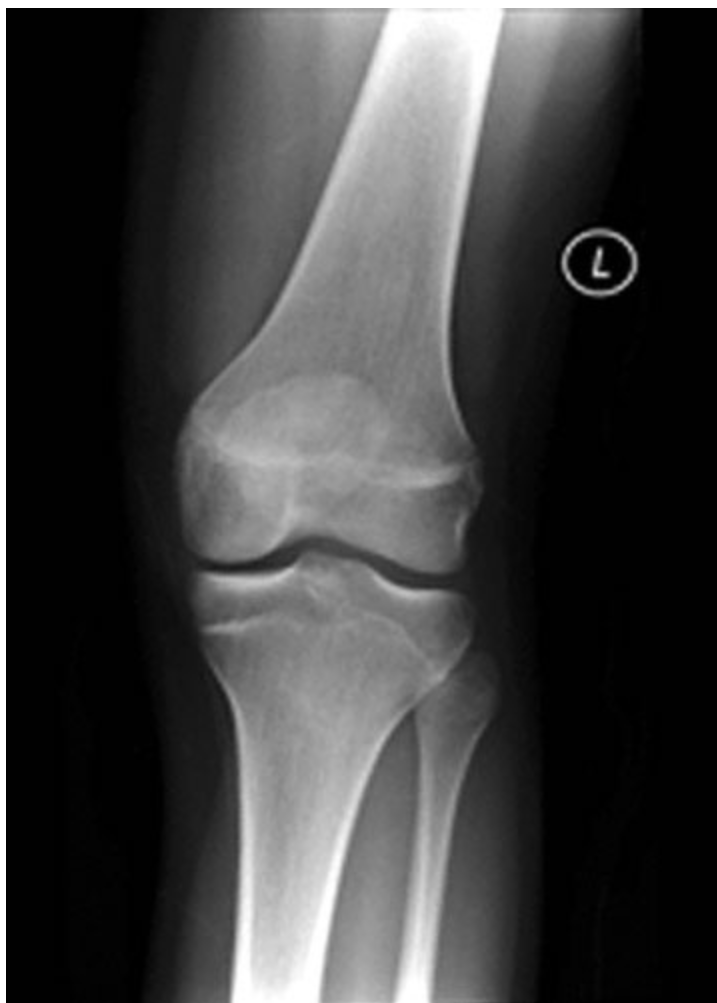 CorrectIncorrect
 -
Question 11 of 50
11. Question
A 42-year-old woman comes to the physician because of a lump in her left thigh since she fell on the ice while playing hockey 4 months ago. At that time, she noticed bruising on her left thigh that has resolved, but the lump has increased in size. She has not had fever, night sweats, or weight loss. She has no history of serious illness and takes no medications. Examination shows a 5 x 6-cm, painless, firm, soft tissue mass on the anterolateral aspect of the left thigh. The overlying skin is intact, and there is no discoloration. There is no inguinal lymphadenopathy. Distal pulses are normal, and sensation is intact. Range of motion of the hips and knees is full, and muscle strength is normal. X-rays of the left femur and knee show no abnormalities. An MRI of the left femur shows a deep soft tissue mass with inhomogeneous signal on T1 – and T2-weighted images. Which of the following is the most appropriate next step in diagnosis?
CorrectIncorrect -
Question 12 of 50
12. Question
A 62-year-old man comes for evaluation prior to undergoing total knee replacement. He has rheumatoid arthritis treated with prednisone. He has no known allergies. Examination shows pain with knee motion. Which of the following is the most appropriate management regarding prophylactic antibiotic therapy?
CorrectIncorrect -
Question 13 of 50
13. Question
A 47-year-old man comes to the physician because of a 6-month history of a lesion on his forehead. The affected area is not painful or itchy. Three years ago, he underwent a renal transplant for chronic renal failure secondary to IgA nephropathy. Examination of the left forehead shows a 2 x 0.5-cm, hyperkeratotic, erythematous, crusted plaque with areas of ulceration. The remainder of the examination shows no abnormalities. Which of the following is the most likely diagnosis?
CorrectIncorrect -
Question 14 of 50
14. Question
A 22-month-old boy is brought to the physician because of a 2-week history of difficulty sleeping. His parents note that each night he awakens screaming 1 to 2 hours after falling asleep and cannot be consoled. During these episodes, he sits or stands in the crib with his eyes open but does not focus his eyes on them. After 10 minutes, the episode resolves, and he falls asleep. He has asthma treated with nebulized albuterol. His maternal cousin has benign rolandic epilepsy of childhood. The patient is above the 95th percentile for head circumference. Examination shows a prominent forehead. The anterior fontanelle cannot be palpated. EEG shows no abnormalities. Which of the following is the most appropriate next step in management?
CorrectIncorrect -
Question 15 of 50
15. Question
A 27-year-old woman who received the diagnosis of multiple sclerosis 8 months ago comes to the physician because of severe fatigue during the past 2 months. She currently experiences double vision and vertigo once or twice weekly, but her most problematic symptom is persistent fatigue. She says that there has been no change in her sleep pattern. She eats five servings of vegetables daily and drinks one glass of wine in the evening. She exercises three times weekly; her regimen consists of 30 minutes of running outdoors. She notes that it has been a particularly hot summer and says that the heat bothers her more than it used to. She has no other history of serious illness. Current medications include interferon beta and a multivitamin. Physical examination shows no abnormalities. Which of the following is the most appropriate recommendation to decrease this patient’s fatigue?
CorrectIncorrect -
Question 16 of 50
16. Question
A 47-year-old woman with a 1-month history of rheumatoid arthritis comes to the physician for a follow-up examination. She has had moderate fatigue and morning joint stiffness. Current medications include ibuprofen and prednisone. There is swelling, tenderness, and decreased range of motion of the wrist and proximal interphalangeal joints bilaterally. Test of the stool for occult blood is negative. Laboratory studies show:
Hematocrit: 31%
Mean corpuscular volume: 85 µm³
Serum
Iron: 55 µg/dL
Total iron-binding capacity: 200 µg/dL (N = 250–400)
X-rays of the hands show bony erosions of the proximal interphalangeal joints bilaterally. Which of the following is the most appropriate next step in management?
CorrectIncorrect -
Question 17 of 50
17. Question
A 25-year-old woman comes to the physician for an initial prenatal examination at 12 weeks’ gestation. She has schizoaffective disorder and had been taking oral haloperidol sporadically until 2 months ago. She says that she was impregnated by evil and that she needs to get rid of the “Devil’s baby.” She states that she hears “angelic voices telling me to get an abortion.” She says that she likes children and has two of her own but “obviously cannot have this one because it is evil!” She demands an abortion. Physical examination shows a uterus consistent in size with a 12-week gestation. On mental status examination, she is agitated. In addition to admitting the patient to the hospital, which of the following is the most appropriate next step in management?
CorrectIncorrect -
Question 18 of 50
18. Question
Studies of a new intravenous fluid that acts as a plasma expander have shown positive results in laboratory animals. An emergency department (ED) physician believes that the new fluid could save human lives and wants to research its effects on critical trauma patients who require urgent care in the ED. Because the most critical patients are often unable to provide informed consent, which of the following best describes how the ED physician should proceed with his research?
CorrectIncorrect -
Question 19 of 50
19. Question
A case-control study is conducted to determine if the relationship between estrogen replacement therapy (ERT) and the risk for breast cancer is affected by estrogen formulation. Cases consist of 705 women with a history of breast cancer; controls consist of 692 randomly selected, age-matched women. All participants range in age from 55 to 74 years. Researchers record the following ERT data from participants and stratify the data accordingly: cumulative dosage, type of formulation, and duration of treatment. Researchers also record patient height and weight, family history of breast cancer, and reproductive history. Results show that the type of estrogen formulation does not affect the risk for breast cancer. Which of the following raises the most concern regarding the validity of this conclusion?
CorrectIncorrect -
Question 20 of 50
20. Question
A study is conducted to compare the prevalence of dental caries is a community that drinks fluorinated water (community A) with that in a community that drinks nonfluorinated water (Community B). Two thousand children ranging in age from 4 to 12 years are observed for 1 year. Subjects in the two community study groups are matched by age, gender, socioeconomic status, and dental insurance coverage. The results show:
Community A
Community B
Total
Number of children with caries
200
500
700
Number of children without caries
800
500
1300
Total
1000
1000
2000
Which of the following is the most accurate interpretation of these results?
CorrectIncorrect -
Question 21 of 50
21. Question
A study is conducted to assess the prevalence of cataracts in all active United States Navy personnel compared with all active Army personnel. The medical records of all active Navy and Army personnel are reviewed for the diagnosis of cataracts. It is most appropriate to calculate which of the following to describe the data obtained in this study?
CorrectIncorrect -
Question 22 of 50
22. Question
A 62-year-old man with alcoholism has blurred vision 3 weeks after treatment of an intra-abdominal abscess secondary to diverticulitis with perforation. He underwent diverting colostomy, colon resection, and abscess drainage. His postoperative course has been complicated by three episodes of sepsis successfully treated with broad-spectrum antibiotics. He is tolerating a regular diet. His temperature is 37.8°C (100°F), pulse is 85/min, respirations are 14/min, and blood pressure is 130/80 mm Hg. Funduscopic examination shows patchy white infiltrates bilaterally and no papilledema. The remainder of the neurologic examination shows no abnormalities. Which of the following is the most likely cause of this patient’s visual problems?
CorrectIncorrect -
Question 23 of 50
23. Question
A previously healthy 32-year-old woman comes to the physician because of a 17-kg (37-lb) weight gain over the past year. During this period, menses have occurred at irregular intervals with light flow. She bruises easily. Her blood pressure is 152/96 mm Hg while sitting. Examination shows dark facial hair on the chin and lateral cheeks and a fat pad at the dorsal base of the neck. Abdominal examination shows violaceous striae and truncal obesity. Her extremities are thin. There are a few old bruises on the forearms and 1+ pitting edema at both ankles. Which of the following is the most appropriate next step in diagnosis?
CorrectIncorrect -
Question 24 of 50
24. Question
A 32-year-old woman comes to the physician because of a 1-week history of vaginal odor and a gray vaginal discharge. Over-the-counter clotrimazole therapy has not resolved her symptoms. Seven days ago, she completed a 14-day course of antibiotic therapy for an ear infection; she does not recall the name of the medication. Menses occur at regular 28-day intervals. She is sexually active with one male partner; they use condoms consistently. Physical examination shows no abnormalities. Pelvic examination shows an erythematous vagina and thin, gray vaginal discharge. The uterus is nontender and normal in size and shape. There is no adnexal tenderness. Which of the following is the most appropriate next step in management?
CorrectIncorrect -
Question 25 of 50
25. Question
A 37-year-old woman, gravida 5, para 4, at 35 weeks’ gestation comes to the physician for a routine prenatal visit. Her pregnancy has been uncomplicated. All of her previous pregnancies ended in cesarean deliveries at term. Physical examination shows a uterus consistent in size with a 35-week gestation. Pelvic ultrasonography at 21 weeks’ gestation showed an anterior placenta previa. This patient is at greatest risk for which of the following pregnancy complications?
CorrectIncorrect -
Question 26 of 50
26. Question
A 23-year-old primigravid woman at 40 weeks’ gestation is admitted to the hospital in labor. The cervix is completely dilated, and the vertex is at -1 station in an occipitoanterior position. One hour later, there is no change in station. Intravenous oxytocin therapy is started. Four hours later, despite good contractions and good pushing, the station remains unchanged. Fetal heart tones remain normal. Which of the following is the most appropriate next step in management?
CorrectIncorrect -
Question 27 of 50
27. Question
A 68-year-old man comes to the office because of a 2-day history of blood and clots in his urine. He has not had pain or other difficulties with urination. He thinks he may have lost several pounds during the past 3 months, but he has not weighed himself recently. He has hypertension and chronic bronchitis, exacerbations of which occur once or twice yearly and require antibiotic therapy; his most recent antibiotic course was completed 1 month ago. Routine medications are amlodipine and hydrochlorothiazide. The patient smoked one pack of cigarettes daily for 40 years but quit 15 years ago. He is 173 cm (5 ft 8 in) tall and weighs 66 kg (145 lb); BMI is 22 kg/m2. Temperature is 37.0°C (98.6°F), pulse is 100/min, and blood pressure is 142/88 mm Hg. Physical examination discloses no abnormalities. CT scan of the abdomen with contrast shows a 2.5-cm enhancing cystic mass lesion with internal necrosis in the mid pole of the left kidney. Chest x-ray shows no abnormalities. Which of the following is the most appropriate next step in management?
CorrectIncorrect -
Question 28 of 50
28. Question
A 65-year-old woman comes to the office because of a 6-month history of moderate upper abdominal pain that radiates to the back and foul-smelling diarrhea. She says the pain is often worse after eating. She also has had occasional nausea and vomiting during this time. She has hypertension and impaired glucose tolerance. Her only medication is lisinopril. She does not smoke cigarettes. She drinks four glasses of wine each evening. Her pulse is 68/min, respirations are 10/min, and blood pressure is 142/87 mm Hg. Abdominal and rectal examinations show no abnormalities. Results of a complete blood count, measurement of serum electrolyte concentrations, measurement of amylase and lipase activities, and liver function tests are within the reference ranges. MR cholangiopancreatography shows calcifications and pancreatic duct obstruction. Which of the following is the most appropriate next step in management?
CorrectIncorrect -
Question 29 of 50
29. Question
A 42-year-old man comes to the physician because of a 2-day history of fever and cough productive of thick yellow sputum. He has no history of serious illness and takes no medications. His temperature is 38.9°C (102°F), pulse is 90/min, respirations are 20/min, and blood pressure is 130/70 mm Hg. On pulmonary examination, crackles are heard at the base of the left lung. The remainder of the examination shows no abnormalities. Laboratory studies show:
Hemoglobin: 14 g/dL
Mean corpuscular volume: 90 µm³
Leukocyte count: 12,000/mm³
Platelet count: 350,000/mm³
Prothrombin time: 12 sec (INR = 1)
Red cell distribution width: 13% (N = 13–15%)
Serum
Total bilirubin: 2.1 mg/dL
Indirect bilirubin: 1.7 mg/dL
AST: 30 U/L
ALT: 30 U/L
Which of the following is the most likely explanation for this patient’s laboratory findings?
CorrectIncorrect -
Question 30 of 50
30. Question
A 27-year-old woman comes to the physician because of a 5-day history of headache, severe, diffuse abdominal pain, and nausea and vomiting. The pain is exacerbated by eating and relieved by vomiting. The vomitus initially consisted of a large amount of semisolid material mixed with a clear green liquid but now consists of clear yellow liquid only. She has not had any other symptoms. She has Crohn disease treated with prednisone; she was instructed to taper her dosage 2 weeks ago. Additional medications include mesalamine and azathioprine. Her last menstrual period was 7 weeks ago. She is sexually active with one male partner, and they use condoms inconsistently. She appears ill and is in moderate distress. Her temperature is 38.4°C (101.2°F), pulse is 120/min, respirations are 22/min, and blood pressure is 90/50 mm Hg. Examination shows dry oral mucosa and pale conjunctivae. The abdomen is distended, diffusely tender, and tympanitic. Bowel sounds are decreased. Pelvic examination shows no abnormalities. Laboratory studies show:
Hematocrit: 31%
Leukocyte count: 15,000/mm³
Serum
Amylase: 300 U/L
Lipase: 9 U/L (N = 14–280)
Which of the following is the most likely diagnosis?
CorrectIncorrect -
Question 31 of 50
31. Question
A 77-year-old man comes to the physician because of a painless mass in front of his right earlobe that he first noticed 3 years ago; it has increased in size during this time. He has not had difficulty chewing or swallowing or changes in his hearing. He has hypertension and type 2 diabetes mellitus. His medications are atenolol, lisinopril, and glipizide. He does not smoke cigarettes or drink alcohol. His temperature is 37°C (98.6°F), pulse is 62/min, respirations are 16/min, and blood pressure is 120/78 mm Hg. Examination shows a 2-cm, firm, irregular, nontender mass at the angle of the right aspect of the mandible. Cranial nerves are intact. There is no cervical lymphadenopathy. Which of the following is the most appropriate next step in management?
CorrectIncorrect -
Question 32 of 50
32. Question
A 28-year-old man is brought to the emergency department because of a 2-day history of mild abdominal discomfort, fever, and diarrhea. He has had three episodes of similar symptoms during the past 2 years. During two episodes, metronidazole therapy provided mild relief. He has no history of serious illness and currently takes no medications. There is no family history of serious illness. The patient has been sexually active with three male partners during the past 3 years; he uses condoms inconsistently. None of his partners has HIV infection. Results of the patient’s HIV antibody test were negative 7 months ago. He works as a waiter and often eats leftover restaurant food. His temperature is 38°C (100.4°F). His blood pressure is 125/80 mm Hg when supine and 110/70 mm Hg when standing. Examination shows dry mucous membranes. The abdomen is mildly distended; on palpation, there is diffuse tenderness and boggy fullness of the right lower quadrant. Bowel sounds are increased. Rectal examination shows multiple perianal fissures. Laboratory studies show a hematocrit of 40%, a leukocyte count of 17,000/mm3, and an erythrocyte sedimentation rate of 49 mm/h. Results of liver function tests are within the reference ranges. Test of the stool is negative for ova and parasites and positive for leukocytes; culture grows no bacteria. An abdominal x-ray shows an enlarged ileocecal mass and a narrow cecal lumen. Which of the following is the most appropriate next step in management?
CorrectIncorrect -
Question 33 of 50
33. Question
A 68-year-old man comes to the office because of a 1-year history of a dry cough and progressive dyspnea on exertion. He has type 2 diabetes mellitus and hypertension. Medications are metformin, atorvastatin, losartan, hydrochlorothiazide, and daily aspirin. The patient smoked one pack of cigarettes daily for 50 years but quit 6 months ago. He says that since that time, his symptoms have been rapidly worsening. He does not drink alcoholic beverages. He is a retired power plant worker for a local electric company. He is 170 cm (5 ft 7 in) tall and weighs 87 kg (193 lb); BMI is 30 kg/m2. Temperature is 37.1°C (98.8°F), pulse is 80/min, respirations are 24/min, and blood pressure is 147/80 mm Hg. Auscultation of the lungs discloses fine, dry inspiratory crackles at the bases and no friction rub. Cardiac examination discloses an increased S2with a right ventricular lift. CT scan of the chest shows 1- to 2-cm bilateral subpleural densities. Which of the following is the most likely diagnosis?
CorrectIncorrect -
Question 34 of 50
34. Question
A 23-year-old woman comes to the physician because of a 3-year history of an intermittent cough productive of copious amounts of yellow-green sputum. She has been taking oral antibiotics; an inhaled, short-acting [3-adrenergic agonist; and an inhaled, long-acting corticosteroid for the past 12 months. The episodes of cough and sputum production recur every 4 to 6 weeks and last 3 to 5 days. She had severe pneumonia at the age of 13 years that required hospitalization and placement of a chest tube. She has no other history of serious illness. She has never smoked cigarettes. She is not in acute distress. Vital signs are within normal limits. Examination shows no clubbing. Occasional end- expiratory wheezes are heard posteriorly; there are no crackles or rhonchi. The remainder of the examination shows no abnormalities. A chest x-ray shows bronchial thickening. Which of the following is the most likely diagnosis?
CorrectIncorrect -
Question 35 of 50
35. Question
A previously healthy 4-year-old boy is brought to the physician because of a 3-day history of fever, cough, and runny nose. He has not had wheezing, vomiting, or diarrhea. He is at the 75th percentile for height and 10th percentile for weight. His temperature is 37.5°C (99.5°F). The skin is warm and pink. Capillary refill time is 2 seconds. Examination shows clear rhinorrhea. Breath sounds are normal. Cardiac examination is shown. The remainder of the examination shows no abnormalities. Which of the following is the most likely diagnosis?
CorrectIncorrect -
Question 36 of 50
36. Question
A 3-year-old girl is brought to the office by her mother because of a 1-month history of moderate leg pain when she runs more than 20 yards. The pain does not occur at rest or when she walks. She was born at term following an uncomplicated pregnancy and spontaneous vaginal delivery. She has no history of serious illness and receives no medications. Immunizations are up-to-date. She is at the 40th percentile for height and 50th percentile for weight. Her pulse is 110/min, and blood pressure is 130/85 mm Hg in both upper extremities. No murmurs are heard on cardiac examination. An epigastric bruit is heard. Pulses are 3+ in the upper extremities and 2+ in the lower extremities. Muscle strength is 5/5 in all extremities. No other abnormalities are noted. Which of the following is the most likely diagnosis?
CorrectIncorrect -
Question 37 of 50
37. Question
A 34-year-old man is brought to the emergency department 30 minutes after he was involved in a motor vehicle collision in which he was the restrained driver. He drove off the road and hit a tree. The air bags did not deploy. On arrival, he appears to be in distress. He has no history of serious illness and takes no medications. Temperature is 35.0°C (95.0°F), pulse is 100/min, respirations are 20/min, and blood pressure is 80/40 mm Hg. Pulse oximetry on room air shows an oxygen saturation of 98%. Examination shows a 2-cm laceration over the right aspect of the forehead and ecchymoses over the face, torso, and all extremities. There is jugular venous distention. Heart sounds are distant. No other abnormalities are noted. Which of the following is the most appropriate next step to confirm the diagnosis?
CorrectIncorrect -
Question 38 of 50
38. Question
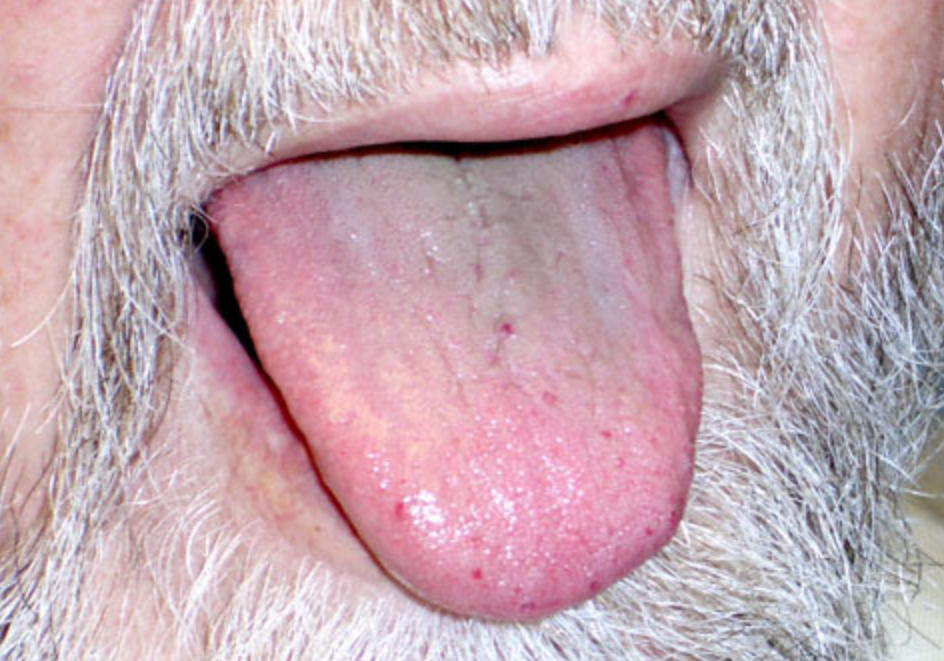
A 67-year-old man comes to the physician for a follow-up examination. Three days ago, he went to the emergency department because of a prolonged nosebleed that was not related to any injuries; after undergoing nasal packing for 4 hours, he was discharged and advised to schedule a follow-up examination with his primary care physician. During the past 3 years, he has had two similar nosebleeds, one of which required cauterization. He has had two episodes of upper gastrointestinal bleeding during the past 10 years. He has psoriasis and osteoarthritis. Current medications include acetaminophen and topical betamethasone cream. He avoids use of aspirin and aspirin-containing medications. He has smoked one pack of cigarettes daily for 45 years. He drinks one alcoholic beverage daily. He does not use illicit drugs. His temperature is 37°C (98.6°F), pulse is 72/min, respirations are 16/min, and blood pressure is 130/76 mm Hg. Jugular venous pressure is 7 cm H20. A photograph of the lips and tongue is shown. The lungs are clear to auscultation. There are no murmurs or gallops. The abdomen is soft and nontender with no hepatosplenomegaly. There is no peripheral edema. Laboratory studies from 3 days ago show:
Hematocrit: 34%
Platelet count: 285,000/mm³
Prothrombin time: 11.6 sec (INR = 1.05)
Serum creatinine: 1.1 mg/dL
Which of the following is the most likely diagnosis?
CorrectIncorrect -
Question 39 of 50
39. Question
A 38-year-old man comes to the physician because of a 3-week history of increasing pressure in his chest and shortness of breath with exertion. He has no history of serious illness and takes no medications. He has smoked one-half pack of cigarettes daily for 20 years and consumes four mixed alcoholic drinks weekly. His pulse is 65/min, and blood pressure is 155/90 mm Hg. Examination shows a brisk carotid upstroke. On cardiac examination, there is a grade 4/6 systolic murmur heard best along the left sternal border at the fourth intercostal space. The murmur increases on Valsalva maneuver and with standing. An ECG shows left ventricular hypertrophy. Which of the following is the most appropriate pharmacotherapy?
CorrectIncorrect -
Question 40 of 50
40. Question
A 62-year-old man comes to the emergency department because of a 35-minute history of severe chest pain. He has had mild intermittent chest pain with exertion during the past 3 weeks. The pain has typically lasted a few minutes and resolved either with rest or spontaneously. He has not had nausea or dyspnea. He has hypertension treated with hydrochlorothiazide and enalapril and type 2 diabetes mellitus treated with insulin glargine. His temperature is 37.1 °C (98.9°F), pulse is 90/min, respirations are 12/min, and blood pressure is 140/86 mm Hg. Physical findings are otherwise normal. An ECG and chest x-ray show no abnormalities. Which of the following is the most appropriate initial step in management?
CorrectIncorrect -
Question 41 of 50
41. Question
An 82-year-old woman with hypertension comes to the physician because of a 9-month history of moderate pain in her hips and knees. She has an active lifestyle and lives independently with her husband. Her medications are hydrochlorothiazide, metoprolol, and a calcium supplement. Her blood pressure is 128/84 mm Hg. Examination shows mild limitation on external rotation of both hips. On standing, the patient has pain in the right knee that she rates as an 8 on a 10-point scale. Laboratory studies show:
Hemoglobin: 12.6 g/dL
Hematocrit: 39%
Leukocyte count: 7800/mm³
Serum
Na⁺: 140 mEq/L
K⁺: 3.9 mEq/L
Cl⁻: 110 mEq/L
HCO₃⁻: 26 mEq/L
Urea nitrogen: 12 mg/dL
Creatinine: 1 mg/dL
The patient asks if she can take an over-the-counter nonsteroidal anti-inflammatory drug (NSAID) for her arthritis. If treatment with an NSAID is begun, this patient is at greatest risk for which of the following adverse effects?
CorrectIncorrect -
Question 42 of 50
42. Question
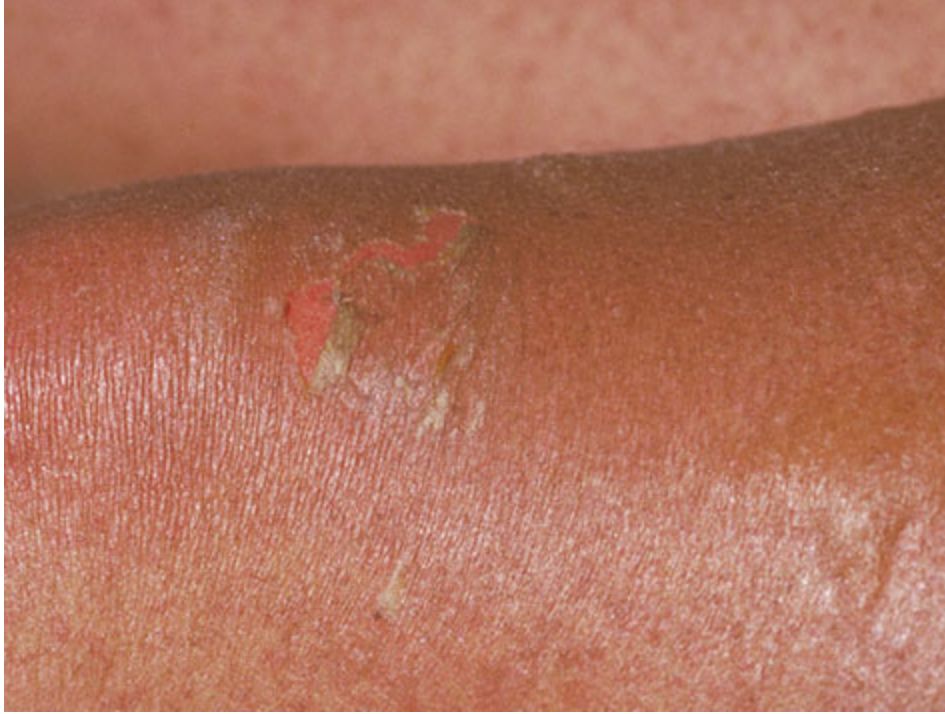
A 20-year-old man comes to the physician because of a 3-day history of a rapidly progressive rash over his extremities and trunk. Initially, he noticed nontender, flat, reddish brown lesions, but now the lesions have formed into blisters and he has burning pain. He has a 7-year history of epilepsy; 10 days ago, he was switched from phenobarbital to carbamazepine therapy after having breakthrough seizures. He has no other history of serious illness and no known allergies. On arrival, he is in distress. His temperature is 37.4°C (99.3°F), pulse is 100/min, respirations are 18/min, and blood pressure is 110/74 mm Hg. Examination shows confluent erythema over the face, trunk, and extremities. A photograph of the skin lesions is shown. The remainder of the examination shows no abnormalities. In addition to discontinuing carbamazepine, which of the following is the most appropriate next step in management?
CorrectIncorrect -
Question 43 of 50
43. Question
A 67-year-old man comes to the physician because of a 2-month history of progressive loss of peripheral vision. He has type 2 diabetes mellitus treated with metformin. He appears to be in mild discomfort. His temperature is 37°C (98.6°F), pulse is 84/min and regular, and blood pressure is 160/98 mm Hg. Ocular movements are intact bilaterally. The pupils are equal, round, and reactive to light. Funduscopic examination shows increased optic cupping bilaterally. Cardiopulmonary examination shows no abnormalities. Which of the following is the most appropriate next step in diagnosis?
CorrectIncorrect -
Question 44 of 50
44. Question
A 47-year-old man is disoriented and having auditory hallucinations 2 days after open reduction and internal fixation of a femoral fracture sustained in a motor vehicle collision. He received perioperative cefazolin, and today his only medication is morphine for pain control. On admission, his blood alcohol concentration was 120 mg/dl_. He has a 25-year history of alcoholism. He has smoked two packs of cigarettes daily for 30 years. His temperature is 38°C (100.4°F), pulse is 120/min, respirations are 26/min, and blood pressure is 175/95 mm Hg. Pulse oximetry on room air shows an oxygen saturation of 94%. Cardiac and abdominal examinations show no abnormalities. Examination of the incision site shows no evidence of infection. On mental status examination, he says that he hears voices. Laboratory studies show a hematocrit of 44% and leukocyte count of 11,000/mm3. An x-ray of the chest shows no abnormalities. Further laboratory studies are most likely to show which of the following electrolyte abnormalities?
CorrectIncorrect -
Question 45 of 50
45. Question
A 16-year-old girl is brought to the office by her mother as a new patient because of weight loss. The mother states that 9 months ago, her daughter became preoccupied with her weight; she then began restricting what she ate and exercising vigorously for several hours daily. The mother adds that her daughter’s performance at school has deteriorated and that she has withdrawn from her friends. According to the mother, the patient had been an excellent student and an obedient daughter, and she has had no behavioral problems until now. The patient’s height is 160 cm (5 ft 3 in); her weight has decreased from 52 kg (114 lb) to 38 kg (84 lb), and her menses have ceased. Current BMI is 15 kg/m2. The patient is soft-spoken and emotionally bland. She expresses little concern about her severe weight loss and malnourished status. She states that she continues to be dissatisfied with her weight and that she would like to lose additional pounds. Temperature is 36.1 °C (97.0°F), pulse is 46/min, and blood pressure is 100/60 mm Hg. Physical examination shows lanugo over the face and body. ECG is ordered. Results of serum laboratory studies are shown:
ALT: 110 U/L
AST: 121 U/L
Na⁺: 130 mEq/L
K⁺: 3 mEq/L
Cl⁻: 93 mEq/L
HCO₃⁻: 34 mEq/L
Protein
Albumin: 2.4 g/dL
This patient and her family should be counseled that she is at increased risk for developing which of the following?
CorrectIncorrect -
Question 46 of 50
46. Question
A 9-year-old girl is brought to the physician by her mother because of behavioral problems at school during the past 6 months. Her teachers report that she refuses to speak or answer questions in front of the class yet answers questions when the teacher approaches her one-on-one. Her mother reports that her daughter will not answer the telephone at home and will not tell waiters what she wants in restaurants. On questioning, the patient states that she worries throughout the school day that others think she is “stupid.” Her mother reports that her daughter interacts normally with her family. Physical examination shows no abnormalities. The patient is quiet and avoids direct eye contact. Which of the following is the most likely diagnosis?
CorrectIncorrect -
Question 47 of 50
47. Question
A 22-year-old woman, gravida 1, para 1, comes to the office in February for a follow-up examination 6 weeks after spontaneous vaginal delivery of a healthy male newborn at term. Pregnancy and delivery were uncomplicated. She says she has been tearful during the past 3 weeks and has not left the house since visiting relatives 2 weeks ago. She says she loves her son and husband, but she has not enjoyed spending time with them during the past 2 weeks. She wakes up every 3 hours at night to breast-feed her infant and is unable to sleep well even when her husband offers to care for their son. She spends most of the day in bed with her infant in a crib nearby; she gets up only to feed and change him. She has no history of serious illness, takes no medications, and has no known allergies. Physical examination shows no abnormalities. On mental status examination, she has a depressed mood and flat affect. She does not have suicidal or homicidal ideation. She has not had audio or visual hallucinations. Which of the following is the most likely diagnosis?
CorrectIncorrect -
Question 48 of 50
48. Question
A 72-year-old man is admitted to the hospital 40 minutes after the onset of presyncope, fatigue, and malaise. He has myelodysplastic syndrome, IgA deficiency, and hypertension. His medications are lisinopril and hydrochlorothiazide. He appears tired but is not in acute distress. His temperature is 37.7°C (99.9°F), pulse is 80/min, respirations are 14/min, and blood pressure is 120/70 mm Hg. Cardiopulmonary examination shows no abnormalities. His hemoglobin concentration is 6 g/dL. Transfusion of packed red blood cells is begun. Five minutes later, he has moderate abdominal pain, nausea, and nonproductive cough. His temperature is 38.2°C (100.7°F), pulse is 124/min and regular, respirations are 28/min, and blood pressure is 80/50 mm Hg. Pulse oximetry on room air shows an oxygen saturation of 94%. Examination shows no jugular venous distention. Diffuse wheezes are heard bilaterally. Cardiac examination shows no abnormalities. Urinary catheterization yields clear urine. The transfusion is discontinued. Which of the following is the most appropriate immediate step in pharmacotherapy?
CorrectIncorrect -
Question 49 of 50
49. Question
A 2-year-old girl is brought to the physician for an examination prior to entering day care. The patient has a history of stridor and expiratory wheezing after drinking cow milk. Examination shows no abnormalities. Which of the following is the most appropriate recommendation?
CorrectIncorrect -
Question 50 of 50
50. Question
History of Present Illness:
Patient has felt well
15-year history of hypertension
15-year history of type 2 diabetes mellitus
Past Medical History:
Otherwise unremarkable
Medications:
Valsartan
Metformin
Atorvastatin
Vaccinations:
Up to date except for pneumococcal, which he has never received
Allergies:
No known drug allergies
Psychosocial History:
Does not smoke cigarettes, drink alcoholic beverages, or use illicit
drugs
Physical Examination:
Temperature: 37.0°C (98.6°F)
Pulse: 82/min
Respirations: 14/min
Blood pressure: 136/82 mm Hg
O₂ saturation: 98% on room air
Height: 178 cm (5 ft 10 in)
Weight: 69 kg (153 lb)
BMI: 22 kg/m²
Pulmonary: clear to auscultation
Cardiac: normal S₁ and S₂; no murmurs, rubs, or gallops
Question: Which of the following is the most appropriate management regarding pneumococcal 23-valent polysaccharide vaccine (PPSV23) and pneumococcal 13-valent conjugate vaccine (PCV13) administration?
CorrectIncorrect