
CK- NBME 9 – Block 2
Quiz Summary
0 of 50 Questions completed
Questions:
Information
You have already completed the quiz before. Hence you can not start it again.
Quiz is loading…
You must sign in or sign up to start the quiz.
You must first complete the following:
Results
Results
0 of 50 Questions answered correctly
Your time:
Time has elapsed
You have reached 0 of 0 point(s), (0)
Earned Point(s): 0 of 0, (0)
0 Essay(s) Pending (Possible Point(s): 0)
| Average score |
|
| Your score |
|
Categories
- Not categorized 0%
- 1
- 2
- 3
- 4
- 5
- 6
- 7
- 8
- 9
- 10
- 11
- 12
- 13
- 14
- 15
- 16
- 17
- 18
- 19
- 20
- 21
- 22
- 23
- 24
- 25
- 26
- 27
- 28
- 29
- 30
- 31
- 32
- 33
- 34
- 35
- 36
- 37
- 38
- 39
- 40
- 41
- 42
- 43
- 44
- 45
- 46
- 47
- 48
- 49
- 50
- Current
- Review
- Answered
- Correct
- Incorrect
-
Question 1 of 50
1. Question
A 25-year-old primigravid woman at 27 weeks’ gestation is brought to the emergency department because of severe contractions for 6 hours. She says the contractions have not resolved despite changing positions and increasing her fluid intake. She also noted a small amount of vaginal spotting the last time she voided. External fetal monitoring shows contractions every 2 to 3 minutes and a fetal heart rate of 130/min with no decelerations. The cervix is 1 cm dilated and 10% effaced. The fetal presenting part is high. During the next hour, she receives oral hydration. Her temperature is 37.2°C (99°F), pulse is 110/min, respirations are 16/min, and blood pressure is 110/70 mm Hg. The lungs are clear to auscultation. The fundal height is 27 cm. The cervix is now 1 to 2 cm dilated and 70% effaced; the vertex is at -2 station. Vaginal culture for group B streptococcus is positive. Which of the following is the most appropriate next step in management?
CorrectIncorrect -
Question 2 of 50
2. Question
An 18-year-old woman comes to the physician because of intermittent vaginal bleeding and abdominal pain over the past 4 days. Menses occur at irregular 28- to 40-day intervals. She cannot remember the date of her last menstrual period. She is sexually active with one partner, and they use condoms for contraception. Pelvic examination shows normal external genitalia and a normal-appearing cervix. There is blood coming from the cervical os. The uterus is slightly enlarged. Serum (3-hCG concentration is 7000 mlll/mL. Pelvic ultrasonography shows a small amount of fluid in the uterus only but no evidence of a gestational sac. Which of the following is the most likely diagnosis?
CorrectIncorrect -
Question 3 of 50
3. Question
A 47-year-old man is brought to the emergency department 20 minutes after being involved in a head-on motor vehicle collision. He was an unrestrained passenger of a car traveling at 30 mph. At the scene, he was conscious and followed commands. His pulse was 110/min, and blood pressure was 90/55 mm Hg. En route to the hospital, he was resuscitated with 1 L of crystalloid solution. On arrival, he is alert and oriented to person, place, and time. He has shortness of breath and chest pain. A nasogastric tube is inserted. His blood pressure is 130/70 mm Hg. Examination shows abrasions over the left anterior hemithorax. The lungs are clear to auscultation. Heart sounds are normal. Abdominal examination shows no abnormalities. A portable x-ray of the chest shows fluid at the base of the left lung field and a fluid density at the left pleural apex. The nasogastric tube is deviated to the right in the upper mediastinal region. His blood pressure suddenly decreases to 80/40 mm Hg. Which of the following is the most likely cause of this patient’s hypotension?
CorrectIncorrect -
Question 4 of 50
4. Question
A 42-year-old man comes for a routine health maintenance examination. There is no family history of coronary artery disease, and he does not smoke. His weight is appropriate for his height. His blood pressure is 120/80 mm Hg. Serum lipid studies show a total cholesterol concentration of 190 mg/dL, HDL-cholesterol concentration of 40 mg/dl_, and triglyceride concentration of 150 mg/dL. Which of the following is the most appropriate next step in management?
CorrectIncorrect -
Question 5 of 50
5. Question
An 18-month-old girl is brought to the physician because she has not used her right arm since falling while running hand-in-hand with her right arm at her side with the forearm pronated; she is unable to fully supinate or flex her forearm. There is no obvious swelling or the most appropriate initial management?
CorrectIncorrect -
Question 6 of 50
6. Question
A 57-year-old man comes to the emergency department because of a 3-week history of constant, severe, nonradiating, midthoracic back pain. He has not had recent trauma to the area. Six weeks ago, he had an episode of Staphylococcus aureus sepsis that resolved with antibiotic therapy. He has end-stage renal disease secondary to hypertension treated with minoxidil and metoprolol; he also receives dialysis by way of tunnel dialysis catheter. His temperature is 37.8°C (100°F), and blood pressure is 140/88 mm Hg. Examination shows tenderness to palpation overT7 and T8. Laboratory studies show an erythrocyte sedimentation rate of 50 mm/h. A T1 -weighted MRI of the spine shows decreased signal intensity in the vertebral bodies of T7 and T8 and no abnormalities in the epidural space. In addition to changing the patient’s hemodialysis catheter, which of the following is the most appropriate next step in management?
CorrectIncorrect -
Question 7 of 50
7. Question
A 19-year-old man is brought to the emergency department by friends because of increasing agitation and confusion during the past 2 hours. On arrival, he is mute and unresponsive to questions. His friends say that he drinks alcohol heavily and uses various illicit drugs on the weekends. His temperature is 39.6°C (103.2°F), pulse is 130/min, and blood pressure is 144/92 mm Hg. He is diaphoretic and grinding his teeth. The pupils are 4 mm. Neurologic examination shows tremulousness and poor coordination of the upper and lower extremities. On mental status examination, he exhibits psychomotor agitation and glances about the room in a confused and anxious manner. The most likely diagnosis is intoxication with which of the following substances?
CorrectIncorrect -
Question 8 of 50
8. Question
An 80-year-old woman is admitted to the hospital because of increasing somnolence over the past 2 days. Her pulse is 90/min while supine and 110/min while standing, respirations are 20/min, and blood pressure is 120/80 mm Hg while supine and 100/80 mm Hg while standing. Examination shows no abnormalities except for dry skin and mucous membranes. Laboratory studies show:
Serum
Na⁺: 137 mEq/L
Cl⁻: 100 mEq/L
K⁺: 4.3 mEq/L
HCO₃⁻: 19 mEq/L
Urea nitrogen: 30 mg/dL
Glucose: 900 mg/dL
Creatinine: 1.6 mg/dL
Arterial pH: 7.38
Which of the following is the most appropriate initial therapy?
CorrectIncorrect -
Question 9 of 50
9. Question
A 47-year-old woman comes to the physician because of a 6-day history of frequent diarrhea associated with painful straining, abdominal cramps, and intermittent passage of bright red blood. Her symptoms began during a trip to Mexico. She is otherwise in good health and takes no medications. Her temperature is 38.2°C (100.7°F), pulse is 92/min, respirations are 18/min, and blood pressure is 130/75 mm Hg. There is mild lower abdominal tenderness without peritoneal signs. A scant amount of loose brown stool present in the rectal vault tests positive for occult blood. Which of the following is the most likely causal organism?
CorrectIncorrect -
Question 10 of 50
10. Question
A full-term 8-hour-old male newborn regurgitates his first feeding. He drools constantly and has not urinated or had a bowel movement. His pulse is 136/min, and respirations are 68/min. There are no intercostal retractions. The remainder of the examination shows no abnormalities. Which of the following is the most appropriate initial diagnostic procedure?
CorrectIncorrect -
Question 11 of 50
11. Question

A 72-year-old man is brought to the emergency department 20 minutes after collapsing at a local restaurant. He was waiting to get his coat when he passed out. He did not lose bowel or bladder control and was awake and oriented when the paramedics arrived. He has coronary artery disease and sustained a myocardial infarction 3 years ago. His current medications include enalapril, metoprolol, aspirin, and pravastatin. Examination shows no abnormalities. Laboratory studies, including measurement of cardiac enzyme activities, are within normal limits. A CT scan of the head shows no abnormalities. An ECG is shown. Which of the following is the most likely cause of this patient’s symptoms?
CorrectIncorrect -
Question 12 of 50
12. Question
A 2-month-old girl is brought to the physician for a well-child examination. She was born at 39 weeks’ gestation following an uncomplicated pregnancy and a cesarean delivery for breech presentation. Apgar scores were 9 and 9 at 1 and 5 minutes, respectively. Her temperature is 37°C (98.6°F), pulse is 120/min, respirations are 20/min, and blood pressure is 75/50 mm Hg. Abduction of the left hip is limited. Manipulation of the hip with and without pressure elicits a palpable clunk. Which of the following is the most appropriate initial step in management?
CorrectIncorrect -
Question 13 of 50
13. Question
A 62-year-old man comes to the physician for a routine examination. His paternal grandfather received the diagnosis of dementia, Alzheimer type, at the age of 65 years. The patient says he is “not forgetting things” but wonders whether he might have inherited the disorder. He has major depressive disorder treated with citalopram, hypertension treated with hydrochlorothiazide, and hyperlipidemia treated with atorvastatin. He sustained minor injuries in a motor vehicle collision at the age of 11 years but has no other history of trauma. Today, he appears well. His temperature is 37°C (98.6°F), pulse is 74/min and regular, respirations are 12/min, and blood pressure is 140/80 mm Hg. The remainder of the examination shows no abnormalities. Which of the following factors presents the greatest risk for development of dementia in this patient?
CorrectIncorrect -
Question 14 of 50
14. Question
A 67-year-old man comes to the emergency department 1 hour after the onset of vertigo, nausea, and imbalance. He has a 20-year history of poorly controlled hypertension. His pulse is 70/min, respirations are 20/min, and blood pressure is 210/115 mm Hg. Examination shows a small right pupil, mild right ptosis, and nystagmus. Neurologic examination shows weakness of the right palate. Sensation to pinprick is decreased over the right side of the face and left extremities. There is incoordination on finger-nose testing and heel-knee-shin testing on the right. Which of the following arteries is most likely to be occluded?
CorrectIncorrect -
Question 15 of 50
15. Question
A previously healthy 52-year-old man is brought to the emergency department by his wife 30 minutes after he had a generalized tonic-clonic seizure, which lasted 90 seconds. He had no prodromal symptoms. His wife reports that he has been “more distant and less engaged” during the past 3 weeks. He has no history of seizures. There is no personal or family history of serious illness. He takes no medications. He smoked two packs of cigarettes daily for 25 years but quit 3 years ago. He drinks one glass of wine weekly. He appears drowsy but is easily aroused. His pulse is 80/min, and blood pressure is 110/78 mm Hg. Funduscopic examination shows sharp disc margins; there is no papilledema. Range of motion of all extremities is full. Deep tendon reflexes are 2+ bilaterally. A CT scan of the chest shows no abnormalities. A CT scan of the head is shown. Which of the following is the most appropriate next step in management?
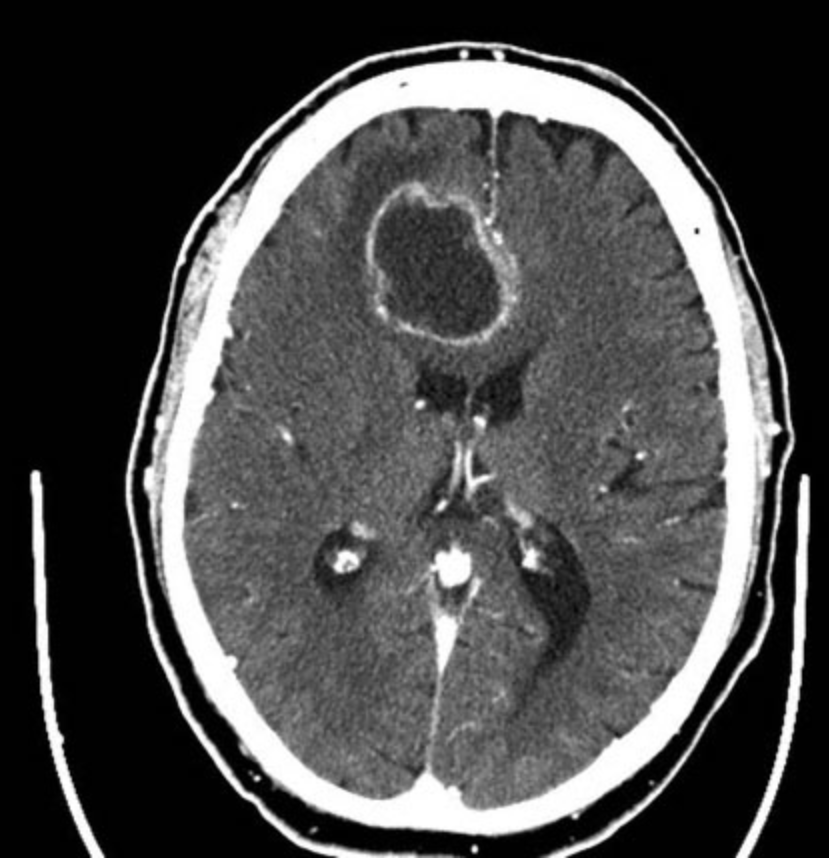 CorrectIncorrect
 -
Question 16 of 50
16. Question
A randomized controlled trial is conducted to asses the safety of uterine artery embolization (UAE) compared with hysterectomy for treatment of leiomyomata uteri with menorrhagia. A total of 350 patients are equally divided to undergo either UAE or hysterectomy. The mean patient age is similar in both groups. Major and minor complication length of hospital stay, and readmission up to 6 weeks after the procedure are evaluated. Results show:
Group
Major Complication Rate (p = 0.68)
Minor Complication Rate (p = 0.024)
Average Length of Hospital Stay (p < 0.001)
Readmission Rate (p = 0.003)
UAE
5%
60%
2.5 days
10%
Hysterectomy
3%
40%
5 days
0%
Based on these results, which of the following is the most accurate conclusion regarding the safety of UAE compared with hysterectomy?
CorrectIncorrect -
Question 17 of 50
17. Question
A new screening test for HIV is implemented in a prison in a Midwestern state. The medical director of the prison wants to know how the new test compares to the one used previously. Which of the following is the most important determinant of the specificity of the test to identify HIV infected prisoners?
CorrectIncorrect -
Question 18 of 50
18. Question
A study is conducted to compare the effects of remote patient monitoring (RPM) with the effects of monthly clinic visits for patients with congestive heart failure (CHF). One thousand patients are enrolled in the study; 500 receive RPM and 500 receive monthly clinic visits. Patients are observed for 6 months. Data show:
Outcome
RPM (%)
Standard Care (%)
Relative Risk Reduction (95% CI)
All-cause mortality
13
15
17 (5–27)
Hospitalization for any cause
43
45
3 (−3–8)
Hospitalization for heart failure
20
27
29 (20–36)
Which of the following best represents the number of patients who need to be treated with RPM instead of standard care during a 6-month period to prevent mortality in one patient with CHF?
CorrectIncorrect -
Question 19 of 50
19. Question
A 32-year-old man comes to the physician as a new patient. Twice during the past 15 years, he has received treatment in the emergency department for severe wheezing, shortness of breath, and swelling of the face and hands; one episode was triggered by a bee sting and the other by a wasp sting. He has no other history of serious illness. His only medication is self-injectable epinephrine, which he used successfully to prevent a reaction when he was stung by a bee during a camping trip 1 year ago. Examination shows no abnormalities. In addition to self-injectable epinephrine therapy if stung, which of the following is the most appropriate management to decrease this patient’s risk for future anaphylactic reactions?
CorrectIncorrect -
Question 20 of 50
20. Question
A 48-year-old woman comes to the office for consultation before undergoing Roux-en-Y gastric bypass. She says her cousin underwent gastric bypass 1 year ago and developed postoperative nausea, vomiting, confusion, and falling. The patient asks what she can do to prevent this outcome if she undergoes the operation. The patient has type 2 diabetes mellitus, obstructive sleep apnea hypopnea, and hypertension. Medications are metformin, glipizide, atorvastatin, and lisinopril. She is 162 cm (5 ft 4 in) tall and weighs 118 kg (260 lb); BMI is 45 kg/m2. Temperature is 37.0°C (98.6°F), pulse is 60/min, respirations are 16/min, and blood pressure is 142/90 mm Hg. Pulse oximetry on room air shows an oxygen saturation of 98%. Cardiopulmonary examination discloses no abnormalities. Abdomen is obese with no tenderness. The remainder of the examination discloses no abnormalities. Regarding this patient’s concerns, it is most appropriate to counsel her that routine supplementation with which of the following will prevent a postoperative outcome similar to that of her cousin?
CorrectIncorrect -
Question 21 of 50
21. Question
A 32-year-old woman comes to the emergency department 12 hours after the sudden onset of fever, vomiting, diffuse muscle and bone pain, rash, and dizziness. She has no history of serious illness and takes no medications. Temperature is 39.0°C (102.2°F), pulse is 100/min, and blood pressure is 90/50 mm Hg while supine. Palpable systolic blood pressure is 70 mm Hg while sitting. Examination shows a diffuse, erythematous, macular rash over the face, trunk, hands, and feet. The lungs are clear to auscultation. On cardiac examination, no murmurs or gallops are heard. There is 1+ peripheral edema bilaterally. Neurologic examination shows no focal findings. Which of the following is the most likely explanation for these findings?
CorrectIncorrect -
Question 22 of 50
22. Question
A 32-year-old woman is brought to the office by her husband, who reports that she has had increasingly bizarre behavior during the past 2 days. He says she frequently becomes confused during her daily activities at home, and she occasionally refers to objects and people that are not present. She also appears to be depressed. The patient reports severe spasms in her wrists that cause her wrists to remain flexed for several minutes at a time, and muscle cramps in her legs and feet. Three days ago, she underwent a total thyroidectomy for papillary thyroid cancer. She also has asthma. Medications are albuterol as needed and levothyroxine. She is 162 cm(5 ft 4 in) tall and weighs 59 kg(130 lb); BMI is 22 kg/m2. Vital signs are within normal limits. The patient appears well nourished and is not in distress. She is alert and oriented to person, place, and time. Affect is flat. There is a well-healing surgical incision on the anterior lower neck. Tapping the left side of the face, anterior to the left ear, results in twitching of the left side of the mouth. Results of serum laboratory studies are most likely to show which of the following?
Option
Calcium
Phosphate
A
Decreased
Increased
B
Increased
Increased
C
Decreased
Decreased
D
Increased
Decreased
CorrectIncorrect -
Question 23 of 50
23. Question
A 32-year-old woman, gravida 1, para 1, comes to the physician because she has not had a menstrual period for 6 months. During this time, she also has had lethargy, dry skin, and nipple discharge. Menses previously occurred at regular 28-day intervals. She was recently married and would like to have a child with her new husband. She has one child from a previous marriage. A home pregnancy test was negative 1 day ago. On physical examination, clear fluid can be expressed from both nipples. Examination shows no other abnormalities. The most appropriate next step in diagnosis is measurement of which of the following serum concentrations?
CorrectIncorrect -
Question 24 of 50
24. Question
A 55-year-old woman comes to the office because of a 5-year history of decreased interest in sexual activity and difficulty achieving orgasm. During this time, she also has had mild vaginal dryness. She has not had pain with intercourse. She says she has been happily married for 25 years and previously enjoyed sexual activity. Menopause occurred 2 years ago, but she continues to have hot flashes. She has hypertension and major depressive disorder. Her medications are lisinopril and fluoxetine. Vital signs are within normal limits. Pelvic examination shows mild vaginal atrophy. The remainder of the examination shows no abnormalities. Which of the following is the most appropriate next step in management?
CorrectIncorrect -
Question 25 of 50
25. Question
A previously healthy 29-year-old woman comes to the office because of a 6-month history of frequent throbbing right-sided headaches. The headaches are preceded by flashing lights and accompanied by mild nausea. Her symptoms resolve with over-the-counter acetaminophen, aspirin, and caffeine. She has no other history of serious illness and takes no other medications. She is sexually active and has been using a vaginal contraceptive ring (VCR) for the past year. Vital signs are within normal limits. Physical examination, including pelvic examination, shows no abnormalities. The patient is concerned that the VCR is causing her headaches and asks about the use of feverfew herbal supplementation for headache prevention. Which of the following is the most appropriate recommendation for this patient?
CorrectIncorrect -
Question 26 of 50
26. Question
Twenty-eight hours after spontaneous vaginal delivery of a healthy newborn at 39 weeks’ gestation, a 24-year-old woman, gravida 1, para 1, has a temperature of 38.3°C (101 °F). Four hours ago, her temperature was 38.6°C (101.5°F). She has no history of serious illness, and her pregnancy was uncomplicated. Labor lasted 14 hours. During delivery, she sustained a second-degree perineal laceration and had an estimated blood loss of 300 mL. The placenta delivered spontaneously 15 minutes later and appeared intact. Her pulse is 88/min, and blood pressure is 120/60 mm Hg. The uterus is tender to palpation; the uterine fundus is firm and 4 cm below the umbilicus. The perineal repair appears intact. There is moderate lochia. The cervix and vagina appear intact. Bimanual examination shows exquisite diffuse tenderness. Which of the following is the most appropriate next step in management?
CorrectIncorrect -
Question 27 of 50
27. Question
A 29-year-old nulligravid white woman comes to the office for a routine health maintenance examination. She has no history of serious illness or operative procedures. She had chickenpox as a child. Her medications are an oral contraceptive and a daily over-the-counter multivitamin that contains folic acid and vitamin A. Her most recent Pap smear 1 year ago showed no abnormalities. Immunizations are up-to-date. She is sexually active with one male partner. They recently became engaged and are considering pregnancy. The patient works as an accountant. She is 168 cm (5 ft 6 in) tall and weighs 70 kg (155 lb); BMI is 25 kg/m2. Vital signs are within normal limits. Examination shows no abnormalities. Which of the following is the most appropriate next step in evaluation?
CorrectIncorrect -
Question 28 of 50
28. Question
A 32-year-old woman, gravida 2, para 1, at 32 weeks’ gestation comes to the physician for a routine prenatal visit. Her pregnancy has been uncomplicated. Vital signs are within normal limits. Ultrasonography shows a female fetus with moderately severe unilateral hydronephrosis and a normal contralateral kidney; the amniotic fluid volume is normal. Which of the following is the most appropriate next step in management?
CorrectIncorrect -
Question 29 of 50
29. Question
A 57-year-old man with a history of chronic kidney disease is admitted to the hospital because of a 1-day history of blood in his urine and severe pain in his right side. He has type 2 diabetes mellitus. During the past 5 years, he has passed renal calculi twice. Medications are lisinopril, metoprolol, glyburide, and furosemide. His pulse is 100/min; other vital signs are within normal limits. Abdominal examination shows right flank tenderness. There is trace swelling of the ankles. Laboratory studies show:
Serum
Urea nitrogen: 45 mg/dL
Creatinine: 4.3 mg/dL
Urine
Blood: 4+
Protein: 4+
RBC: too numerous to count
Serum urea nitrogen and creatinine concentrations are unchanged from 1 month ago. Which of the following is the most appropriate next step in diagnosis?
CorrectIncorrect -
Question 30 of 50
30. Question
A 26-year-old man comes to the emergency department because of a 1-month history of low back pain that has acutely worsened during the past 24 hours. He rates his current pain as a 6 on a 10-point scale. He is in the military, and the pain originally began when he injured his back during a deployment to the Middle East. He was prescribed diazepam and hydrocodone-acetaminophen at that time. During the past 24 hours, the patient reports taking 20 combination tablets containing hydrocodone and acetaminophen, 10 diazepam tablets, and 40 acetaminophen tablets, but his back pain has persisted. Additional medical history is unremarkable, and he takes no other medications. The patient appears to be in moderate distress. Vital signs are temperature 37°C (98.6°F), pulse 88/min, respirations 16/min, and blood pressure 126/84 mm Hg. Pulse oximetry on room air shows an oxygen saturation of 100%. Examination of the back discloses tenderness and muscle spasm to the left of the lumbar spine. The remainder of the physical examination, including neurologic examination, discloses no abnormalities. Which of the following is the most appropriate pharmacotherapy at this time?
CorrectIncorrect -
Question 31 of 50
31. Question
A 5-year-old boy is brought to the office by his mother for a well-child examination. The family recently moved to the area from another state; the child’s last examination was 6 months ago. The mother says the boy has been generally healthy. Vital signs are temperature 37.0°C (98.6°F), pulse 100/min, respirations 20/min, and blood pressure 100/60 mm Hg. Physical examination shows a protuberant umbilicus that enlarges when the boy coughs. Palpation of the umbilicus discloses a 2-cm umbilical ring with no incarcerated tissue. Without treatment, which of the following is the most likely outcome of the child’s condition?
CorrectIncorrect -
Question 32 of 50
32. Question
A 62-year-old woman comes to the physician because of a 1-year history of increased flatulence. During this time, she also has had mild abdominal cramps often followed by loose stools. She has not had any weight changes. She has a low-fiber diet and does not drink milk. She drinks three to four cans of diet cola daily and chews sugar-free gum. Examination shows no abnormalities. Laboratory studies show no abnormalities. Ingestion of which of the following is the most likely cause of this patient’s flatulence?
CorrectIncorrect -
Question 33 of 50
33. Question
A 52-year-old man comes to the physician because of a 6-month history of progressive shortness of breath with exertion. He reports shortness of breath after climbing one flight of stairs and occasional whistling breath sounds. He has no history of serious illness. He has smoked one and one-half packs of cigarettes daily for 36 years. His pulse is 88/min, respirations are 20/min, and blood pressure is 160/88 mm Hg. Pulse oximetry on room air shows an oxygen saturation of 98% at rest. Jugular venous pressure is within normal limits. Breath sounds are distant. There is no peripheral edema. Pulmonary function tests show an FEV1 of 60% of predicted; the FEV1/FVC ratio is 50% of predicted. In addition to recommending smoking cessation, which of the following is the most appropriate next step in management?
CorrectIncorrect -
Question 34 of 50
34. Question
A 67-year-old man is brought to the emergency department by his wife because of a 3-day history of fever and cough productive of blood-tinged, green sputum. She says he was reluctant to come to the hospital and she had to insist. He has type 2 diabetes mellitus. He does not take any medications. On questioning about his alcohol use, he says he sometimes drinks a little too much, especially when he is traveling for his job. He has smoked two packs of cigarettes daily for 30 years. On arrival, he appears slightly disheveled and smells strongly of cigarette smoke. He coughs frequently during the examination. His temperature is 38.9°C (102°F), pulse is 96/min and regular, and blood pressure is 110/65 mm Hg. Rhonchi are heard throughout the lung fields, most prominently on the right. A grade 2/6 systolic murmur is heard best at the left sternal border. The liver is firm, and the edge is palpated 3 cm below the right costal margin. There is trace pedal edema. The remainder of the examination shows no abnormalities. Laboratory studies show:
Hematocrit: 37%
Leukocyte count: 16,500/mm³
Segmented neutrophils: 85%
Lymphocytes: 15%
Platelet count: 99,000/mm³
Serum
Alkaline phosphatase: 350 U/L
AST: 95 U/L
ALT: 97 U/L
A chest x-ray shows an infiltrate in the middle of the right lung with a dense area of consolidation. Results of a sputum culture are pending. In addition to antibiotic therapy, which of the following is the most appropriate next step in diagnosis?
CorrectIncorrect -
Question 35 of 50
35. Question
A 34-year-old woman comes to the physician because of a 2-year history of episodes of nasal congestion and clear discharge, frequent sneezing, and moderate “sinus pressure.” Her symptoms occur throughout the year. She has no history of asthma, hives, generalized swelling, or known allergies. She takes no medications. Her parents are allergic to cats. The patient has never had a pet. She has never smoked cigarettes. She lives on the fourth floor of a large apartment complex. She appears in no distress. Her temperature is 36.7°C (98°F), pulse is 68/min, respirations are 12/min, and blood pressure is 113/67 mm Hg. Examination shows pale, edematous nasal mucosa; no other abnormalities are noted. Which of the following is the most appropriate recommendation for this patient?
CorrectIncorrect -
Question 36 of 50
36. Question
A 49-year-old man comes to the clinic for an initial health maintenance examination. He has not been evaluated by a physician during the past 20 years. Medical history is unremarkable. His only medication is as-needed acetaminophen. Family history is remarkable for the death of his maternal grandmother at age 82 years and of his father at age 58 years from ruptured aortic aneurysms. The patient’s brother underwent elective repair of an aortic aneurysm at age 57 years. The patient has smoked one-half pack of cigarettes daily for 24 years. He drinks four alcoholic beverages and several cups of coffee daily. He does not exercise regularly. He is 183 cm (6 ft) tall and weighs 107 kg (235 lb); BMI is 32 kg/m2. Temperature is 37.1 °C (98.8°F), pulse is 92/min, respirations are 18/min, and blood pressure is 144/86 mm Hg. Physical examination discloses central obesity. No other abnormalities are noted. Which of the following interventions is most likely to have the greatest benefit for this patient based on his personal risk factors?
CorrectIncorrect -
Question 37 of 50
37. Question
A 76-year-old man comes to the physician because of a 5-week history of shortness of breath. He has no history of serious illness and takes no medications. His pulse is 110/min, respirations are 22/min, and blood pressure is 118/68 mm Hg. Pulse oximetry on room air shows an oxygen saturation of 88%. Examination shows jugular venous distention to above the mandible bilaterally. The distention increases with inspiration. Which of the following is the most likely diagnosis?
CorrectIncorrect -
Question 38 of 50
38. Question
A 48-year-old man, who was admitted to the hospital 3 days ago for treatment of multiple injuries sustained during a motor vehicle collision, suddenly develops left-sided substernal chest pain. On admission, a right chest tube was placed for treatment of a hemopneumothorax and multiple right-sided rib fractures. He also sustained a right femur fracture, which was surgically repaired 2 days ago, and a grade II liver laceration, which was treated nonoperatively. Vital signs now are temperature 37.2°C (99.0°F), pulse 120/min and irregularly irregular, respirations 26/min, and blood pressure 90/50 mm Hg. Pulse oximetry on room air shows an oxygen saturation of 100%. The patient appears anxious, and his breathing is labored. Auscultation of the lungs discloses mildly diminished breath sounds on the right but no wheezes or crackles. Abdominal examination discloses no abnormalities. Which of the following is the most appropriate immediate next step in evaluation of this patient?
CorrectIncorrect -
Question 39 of 50
39. Question
A 15-year-old boy is brought to the physician because of a painful lump in his right thigh for 3 weeks. Two months ago, he was kicked in the right thigh during a soccer game and had a bruise over the right femur. He has had no fever. Examination shows a mass in the distal anterior right thigh; the area is warm and tender to deep palpation. The circumference of the right thigh is larger than the left. Flexion and extension of the right knee are limited. An x-ray of the right femur and knee shows evidence of bone destruction with irregular, ragged, radiolucent defects and new bone formation. Which of the following is the most appropriate next step in diagnosis?
CorrectIncorrect -
Question 40 of 50
40. Question
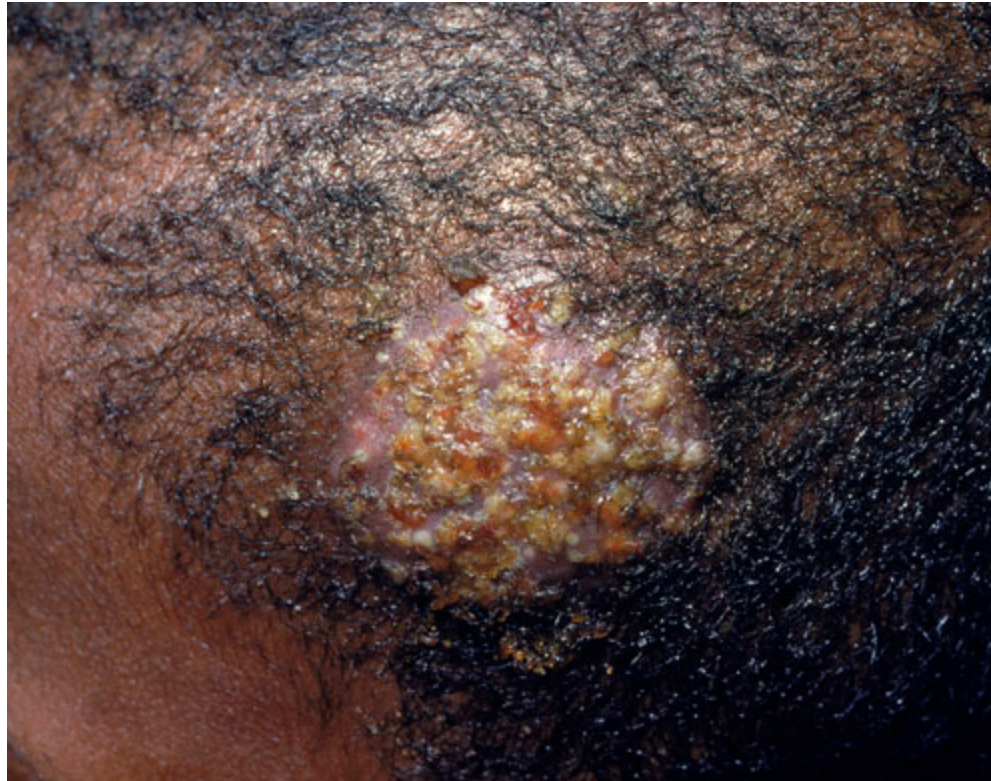
A 6-year-old boy is brought to the physician because of hair loss and a lump on his scalp. His mother says that she first noticed the lump 5 days ago and it appears to be increasing in size. There is no history of serious illness, and he takes no medications. His temperature is 37°C (98.6°F). A photograph of the lesion is shown. A tender 2-cm occipital lymph node is palpated. Which of the following is the most likely causal organism?
CorrectIncorrect -
Question 41 of 50
41. Question
A 25-year-old woman comes to the physician because of a 2-week history of episodes of dizziness. She says that during the episodes, she feels as though the room is spinning. She also has had ringing in her ears, hearing loss, and a sensation of fullness in her right ear during this time. The episodes occur suddenly, last 30 minutes, and resolve spontaneously. Four months ago, she had a 2-week period of similar episodes that did not involve hearing loss; those episodes resolved spontaneously. She has no history of serious illness and takes no medications. On examination, Weber test lateralizes to the left. Rinne test shows that air conduction is greater than bone conduction bilaterally. Hallpike maneuver is negative. Audiometry shows low-frequency, sensorineural hearing loss on the right. Vestibular testing shows no abnormalities. Rapid plasma reagin is negative. An MRI of the brain shows no abnormalities. Which of the following is the most appropriate next step in management?
CorrectIncorrect -
Question 42 of 50
42. Question
A 37-year-old woman is hospitalized because of a 1-year history of recurrent abdominal pain and diarrhea; exploratory laparoscopy on two occasions showed no abnormalities. A stool chart shows more than 10 painful bowel movements daily for 2 weeks; the pain was relieved with defecation. Physical examination and rectosigmoidoscopy with biopsy show no abnormalities. Her erythrocyte sedimentation rate is within the reference range. Test of the stool is negative for occult blood, ova, and parasites and positive for phenolphthalein. Which of the following is the most likely diagnosis?
CorrectIncorrect -
Question 43 of 50
43. Question
A 16-year-old girl is brought to the office by her parents because of a 3-month history of depressed mood, decreased energy, and decreased confidence. Her parents say they are perplexed by their daughter’s recent lack of motivation. The patient’s grades have declined from A’s and B’s to mostly C’s during this time. She says she no longer cares about being admitted to a competitive college and feels hopeless about the future. She aspires to be a writer and has been upset that she was not chosen to be the editor of her school newspaper when the position was filled 4 months ago. She and her parents immigrated to the USA from Korea 9 years ago. The patient has no history of serious medical or psychiatric illness and takes no medications. Her maternal aunt and grandmother have anxiety disorders. The patient does not drink alcohol or use illicit drugs. Physical examination shows no abnormalities. On mental status examination, she has a depressed mood and restricted affect. She reports passive suicidal ideation but no active suicide plans or attempts. She reports no hallucinations. There is no evidence of delusions. Which of the following is the most likely underlying cause of this patient’s symptoms?
CorrectIncorrect -
Question 44 of 50
44. Question
A 52-year-old man, who remains in the hospital 1 week after undergoing cadaveric renal transplantation, has been crying and feeling hopeless during the past 3 days. He says he worries that he will never get better. Two years ago, he was involved in a motor vehicle collision and required splenectomy. After the procedure, rapid-onset sepsis and end- stage renal disease developed. He had been receiving dialysis since then. The transplant has not been functioning well, and he has required emergency dialysis for the past 6 days. His current medications include prednisone, mycophenolate mofetil, and thyroglobulin. His temperature is 36.9°C (98.4°F), pulse is 74/min, respirations are 18/min, and blood pressure is 126/84 mm Hg. Physical examination shows a well-healing surgical incision over the abdomen. On mental status examination, he is sad and frequently crying, although he says he looks forward to visits from his family. He is fully oriented. Which of the following is the most appropriate next step in management?
CorrectIncorrect -
Question 45 of 50
45. Question
A 24-year-old man is brought to the emergency department 20 minutes after being involved in a motor vehicle collision. He was the unrestrained driver. On arrival, he is agitated and incoherent. His pulse is 120/min, respirations are 10/min and labored, and palpable systolic blood pressure is 60 mm Hg. After endotracheal intubation and resuscitation with 2 L of lactated Ringer solution, his pulse and blood pressure remain unchanged; the ventilatory rate is 8/min. Examination shows a 4 x 6-cm ecchymosis over the left sixth and seventh intercostal spaces at the midaxillary line. He groans on palpation of the left chest. Breath sounds are equal bilaterally. There is abdominal distention. Which of the following is the most appropriate next step in diagnosis?
CorrectIncorrect -
Question 46 of 50
46. Question
A previously healthy 32-year-old woman comes to the physician because of a 2-day history of fever and an area of swelling and redness on her right forearm. Six hours ago, she noticed red streaks extending from her forearm to her elbow. She has not traveled, and there is no history of trauma. Her temperature is 37.8°C (100°F). Epitrochlear lymph nodes are enlarged. Examination of the distal radial aspect of the right upper extremity shows an 8 x 13-cm warm, erythematous area of edema that is tender to palpation; there is a warm, tender red streak extending from this area to the elbow. There is no wound, ulcer, fluctuance, or palpable cord. Which of the following is the most likely diagnosis?
CorrectIncorrect -
Question 47 of 50
47. Question
A 25-year-old woman comes to the emergency department 45 minutes after the onset of shortness of breath, marked malaise, weakness, and fatigue. She felt well until 24 hours ago when she developed muscle soreness after an unusually strenuous physical workout; she took ibuprofen for pain 1 hour before the dyspnea began. She has a history of frequent migraines that have been prevented by taking metoprolol during the past month. Her blood pressure is 100/70 mm Hg. Examination shows facial flushing and mild periorbital edema. Multiple wheezes are heard throughout the lung fields. During the examination, the patient’s dyspnea becomes more severe. Her respirations are 30/min, and blood pressure is now 90/50 mm Hg. Her inspiratory ratio is approximately 1:1. There is circumoral cyanosis. Which of the following is the most appropriate pharmacotherapy?
CorrectIncorrect -
Question 48 of 50
48. Question
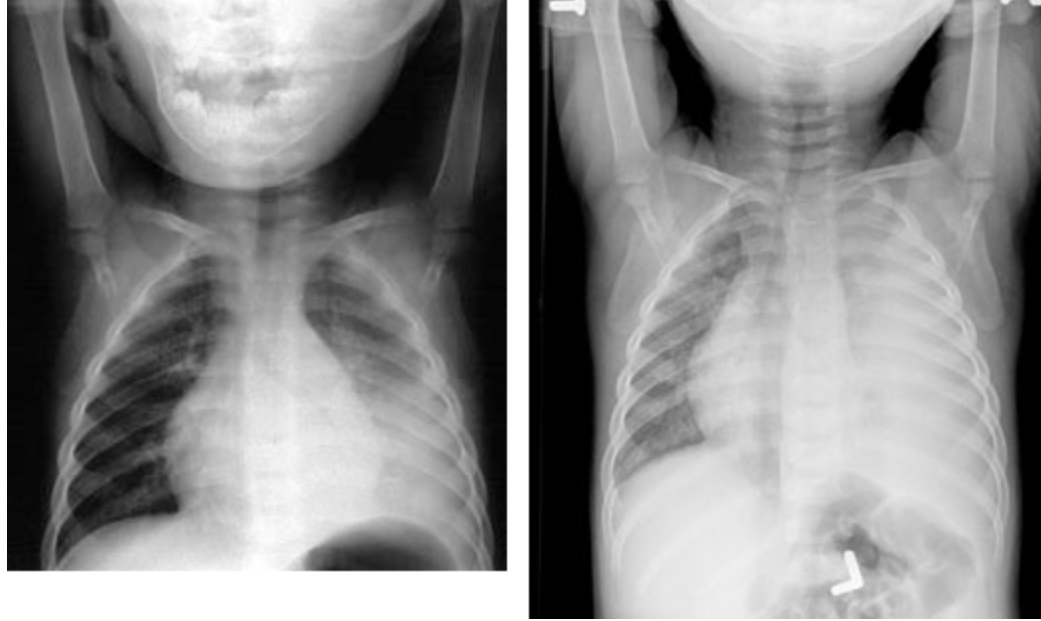
A 3-year-old boy is admitted to the hospital because of a 5-day history of fever and cough. Since the age of 6 months, he has been treated for recurrent episodes of acute otitis media and has been hospitalized twice for treatment of pneumonia and once for treatment of viral meningitis. He was born at term following an uncomplicated pregnancy and delivery. His immunizations are up-to-date. He has no known drug allergies. He currently receives no medications or herbal or vitamin supplements. His maternal uncle died of sepsis at the age of 6 years. The patient has two healthy sisters and a 3-month-old brother who has no history of infection. The patient is at the 10th percentile for height, weight, and head circumference. His temperature is 39°C (102.2°F). Examination shows no lymphadenopathy and absence of tonsils. Crackles are heard over the left lung base. Laboratory studies show:
Total B lymphocytes: 1%
Total T lymphocytes: 91%
Serum
IgA: 8 mg/dL
IgG: 60 mg/dL
IgM: 10 mg/dL
A PPD skin test and HIV antibody test are negative. X-rays of the chest are shown. In addition to intravenous antibiotic therapy for treatment of this patient’s current symptoms, which of the following is the most appropriate next step in management?
CorrectIncorrect -
Question 49 of 50
49. Question
An asymptomatic 72-year-old woman comes to the physician for an annual health maintenance examination in the fall. She takes no medications. At the age of 65 years, bone densitometry showed normal findings. At her last visit 1 year ago, a Pap smear, mammography, and sigmoidoscopy showed no abnormalities; her serum cholesterol concentration was 190 mg/dL, and serum glucose concentration was 80 mg/dl_. She has been married for 50 years and remains sexually active. She does not smoke and drinks one to two glasses of wine three times weekly. She is 165 cm (5 ft 5 in) tall and weighs 63 kg (140 lb); BMI is 23 kg/m2. Her blood pressure is 140/85 mm Hg. Physical examination, including pelvic examination, shows no abnormalities. Which of the following is the most appropriate next step in management?
CorrectIncorrect -
Question 50 of 50
50. Question
A 14-year-old girl is brought to the office by her parents because of a 4-month history of “antisocial behavior.” During this period, she has spent less time with her girlfriends and has spent most of her time with her 16-year-old boyfriend. Three months ago, she quit the school volleyball team and will not tell her parents why. Her parents say she has become unwilling to discuss many aspects of her life with them, including her boyfriend and her sexual activity. She receives grades of B’s and C’s in school, but her parents worry that her grades will worsen. They report that she eats and sleeps well. During the examination, the patient is silent but polite. When her parents ask her to look at them, she refuses. When interviewed alone, the patient says she finds her parents “overbearing” and “intrusive.” She says she quit the volleyball team because she would rather devote that time to her boyfriend and her increasingly challenging studies. She says she is “madly in love” with her boyfriend; with the exception of class and study time, she wants to spend as much time with him as possible. She reports that they have been intimate but that she will not have sexual intercourse until the age of 17 years. She keeps in touch with her friends through texting and social media. Which of the following is the most likely diagnosis?
CorrectIncorrect