
CK- UWSA 2- Block 1
Time limit: 0
Quiz Summary
0 of 40 Questions completed
Questions:
Information
You have already completed the quiz before. Hence you can not start it again.
Quiz is loading…
You must sign in or sign up to start the quiz.
You must first complete the following:
Results
Quiz complete. Results are being recorded.
Results
0 of 40 Questions answered correctly
Your time:
Time has elapsed
You have reached 0 of 0 point(s), (0)
Earned Point(s): 0 of 0, (0)
0 Essay(s) Pending (Possible Point(s): 0)
| Average score |
|
| Your score |
|
Categories
- Not categorized 0%
- Step 1 UWSA 2 – Block 1 0%
Would you like to submit your quiz result to the leaderboard?
![captcha]()
Loading
| Pos. | Name | Entered on | Points | Result |
|---|---|---|---|---|
| Table is loading | ||||
| No data available | ||||
- 1
- 2
- 3
- 4
- 5
- 6
- 7
- 8
- 9
- 10
- 11
- 12
- 13
- 14
- 15
- 16
- 17
- 18
- 19
- 20
- 21
- 22
- 23
- 24
- 25
- 26
- 27
- 28
- 29
- 30
- 31
- 32
- 33
- 34
- 35
- 36
- 37
- 38
- 39
- 40
- Current
- Review
- Answered
- Correct
- Incorrect
-
Question 1 of 40
1. Question
A 62-year-old man comes to the emergency department due to painful swelling in the right groin. He also has had nausea and 2 episodes of bilious vomiting since the onset of pain several hours ago. Medical history is notable for hypertension and a myocardial infarction treated with a coronary stent a year ago. The patient is a former smoker and drinks alcohol occasionally. Temperature is 38.2 C (100.8 F), blood pressure is 140/80 mm Hg, and pulse is 110/min. On examination, the abdomen is soft and mildly distended with hyperactive bowel sounds. There is a 4-cm tender mass in the right inguinal region with erythema of the overlying skin. The patient subsequently undergoes urgent exploratory surgery of the right groin. Which of the following is most likely to be found during surgery?
CorrectIncorrect -
Question 2 of 40
2. Question
A 28-year-old woman comes to the office due to a right breast mass. The patient first noticed the mass several weeks ago and it has slowly increased in size. She had an uncomplicated vaginal delivery 7 months ago and exclusively breastfed her baby for 6 months. The patient has not had a breast mass before. She uses a progestin-releasing subcutaneous implant for contraception. Temperature is 36.7 C (98.1 F) and blood pressure is 110/60 mm Hg. Examination of the right breast shows a soft, mobile, nontender 4-cm subareolar mass. No skin changes, nipple discharge or retraction, or axillary or supraclavicular lymphadenopathy is present. The left breast has no abnormalities. Which of the following is the most likely diagnosis in this patient?
CorrectIncorrect -
Question 3 of 40
3. Question
A 68-year-old man with a history of chronic obstructive pulmonary disease requiring home oxygen therapy came to the hospital 3 days ago due to worsening pedal edema, abdominal distension, and fatigue of several weeks duration. At the time of admission, his physical examination was notable for distended neck veins, loud second heart sound, bilateral lower extremity edema, and moderate ascites. The patient’s clinical condition has gradually improved with intravenous furosemide, but he is found to have worsening renal function and decreasing urine output. His other medical problems include hypertension and hyperlipidemia. The patient has a 40-pack-year smoking history but quit 5 years ago. He takes atorvastatin, lisinopril, inhaled glucocorticoids, and bronchodilators at home, which have been continued in the hospital. Today, temperature is 37.1 C (98.8 F), blood pressure is 110/70 mm Hg, and pulse is 96/min. Physical examination shows flat neck veins, 1+ bilateral lower extremity edema, and mild ascites. Breath sounds are diminished with no added sounds. Pulmonic component of the second heart sound is loud with no murmur. Rectal examination shows a slightly enlarged, smooth prostate. Urine output and renal function since admission are shown below.
At admission
Day 1
Day 2
Day 3
Urine output (L/24 hr)
–
4.2
3.1
1.5
Blood urea nitrogen (mg/dL)
24
28
36
52
Serum creatinine (mg/dL)
1.0
1.2
1.5
2.1
Urinalysis shows no cells, casts, or protein. Which of the following is the most likely cause of this patient’s current renal dysfunction?
CorrectIncorrect -
Question 4 of 40
4. Question
A 30-year-old man comes to the office for follow-up of primary adrenal insufficiency. He was initially diagnosed 3 months ago after presenting with fatigue, weight loss, lethargy, decreased appetite, and abdominal pain. The patient was started on treatment with hydrocortisone, resulting in significant improvement in his initial symptoms and slight weight gain. However, he continues to have mild residual fatigue and frequent episodes of dizziness. Medical history is notable for celiac disease, for which he is following a gluten-free diet. Family history is notable for thyroid disease, with hypothyroidism in his mother and Graves disease in his sister. The patient consumes alcohol only on social occasions and does not smoke or use illicit drugs. Seated blood pressure is 100/80 mm Hg and pulse is 95/min; standing blood pressure is 75/50 mm Hg and pulse is 102/min. Examination shows excessive pigmentation of mucous membranes and skin creases. The remainder of the examination is normal. Which of the following laboratory findings would most likely be found in this patient?
CorrectIncorrect -
Question 5 of 40
5. Question
A 24-year-old woman, gravida 1 para 1, comes to the office for evaluation of amenorrhea. The patient had an uncomplicated vaginal delivery 2 years ago. She breastfed the infant for the first year and had irregular menses during that time. The patient had a copper intrauterine device (IUD) placed after she stopped breastfeeding and has not had a menstrual period since. She has lost 20 kg (44.1 lb) since giving birth but has not had fatigue or heat intolerance. The patient has no medical conditions and takes a multivitamin daily. Blood pressure is 110/70 mm Hg and pulse is 68/min. BMI is 19 kg/m2. On pelvic examination, the external genitalia are normal, and the IUD strings are properly placed. Urine pregnancy test result is negative. Serum FSH level is low, but prolactin and TSH levels are normal. A progesterone challenge test is performed, and there is no uterine bleeding. Which of the following is the most likely cause of this patient’s amenorrhea?
CorrectIncorrect -
Question 6 of 40
6. Question
A 43-year-old woman comes to the postoperative clinic due to persistent abdominal pain, nausea, and vomiting after undergoing an elective laparoscopic cholecystectomy 4 days ago. During the procedure, she had an episode of hypotension that resolved with intravenous fluids; there were no other intraoperative complications. The patient has no medical history and has been taking acetaminophen-hydrocodone for pain control. Temperature is 38.2 C (100.8 F), blood pressure is 122/84 mm Hg, and pulse is 92/min. Abdominal examination demonstrates mild abdominal distension with decreased bowel sounds and healing surgical incisions without erythema. Right upper quadrant tenderness with guarding and rebound is present. Laboratory results are as follows:
Complete blood count
Hematocrit
33%
Leukocytes
13,000/mm3
Liver function studies
Total bilirubin
3.2 mg/dL
Direct bilirubin
2.0 mg/dL
Alkaline phosphatase
420 U/L
Aspartate aminotransferase
62 U/L
Alanine aminotransferase
74 U/L
Right upper quadrant ultrasonography demonstrates normal-size biliary ducts. Which of the following is the most likely cause of this patient’s current condition?
CorrectIncorrect -
Question 7 of 40
7. Question
A pharmaceutical company researcher is working on drugs X, Y, and Z proposed for the treatment of diabetes mellitus. She selects a group of 300 patients with diabetes mellitus from a county hospital in Jackson, TN. She randomizes them into 3 groups of 100 patients each (groups A, B, and C). Patients in group A receive drug X, those in group B receive drug Y, and those in group C receive drug Z. The researcher follows these groups prospectively for 12 months and tabulates the following results:
Drug
Group
Mean serum glucose values (mg/dL)
Standard deviation
95% confidence interval
X
A
85.0
2.00
84.6-85.4
Y
B
87.0
2.33
86.5-87.5
Z
C
83.0
3.32
82.3-83.7
Based on these results, which of the following statements is correct?
CorrectIncorrect -
Question 8 of 40
8. Question
A 34-year-old woman comes to the office due to several days of low-grade fever, headache, malaise, and myalgias. This morning, the patient’s face appeared twisted and she had difficulty closing her eyes. She drinks alcohol socially and does not use tobacco or recreational drugs. The patient has had several sexual partners and uses condoms inconsistently. She relocated to Rhode Island a year ago for work and is active outdoors. Temperature is 37.9 C (100.2 F), blood pressure is 124/80 mm Hg, and pulse is 78/min. Physical examination shows bilateral facial muscle weakness and resistance to passive neck flexion. Which of the following findings is most likely associated with this patient’s current condition?
CorrectIncorrect -
Question 9 of 40
9. Question
A physician has become increasingly concerned about her colleague and mentor. Over the past few months, she has noticed that he has become more forgetful, not recalling conversations they have had. On 2 occasions, he asked to borrow her prescription pad after misplacing his own. Last week, while covering her colleague’s practice, the physician noticed that he had prescribed 2 different doses of lorazepam to a patient suffering from anxiety. When he returns, the physician clarifies the dose and asks if everything is okay. Her mentor chuckles, “Yes, it is just me being absent-minded in my old age.” The physician recommends that her colleague have an assessment done, but he assures her that everything is fine. Which of the following is the most appropriate course of action by the physician?
CorrectIncorrect -
Question 10 of 40
10. Question
A 3-month-old boy is brought to the office for a well-child visit. His mother is concerned about a red skin lesion on his head. She first noticed a reddish patch on the patient’s scalp at age 3 weeks, and the lesion has progressively grown. It recently has become more raised and brighter red in color. He is exclusively breastfed and up to date with routine vaccinations. The patient has a social smile, coos, and recently started reaching for toys. He is not yet rolling over. The patient was born at term after an uncomplicated pregnancy and delivery. Weight and height are at the 50th percentile. Examination findings of the lesion are shown in the image below:
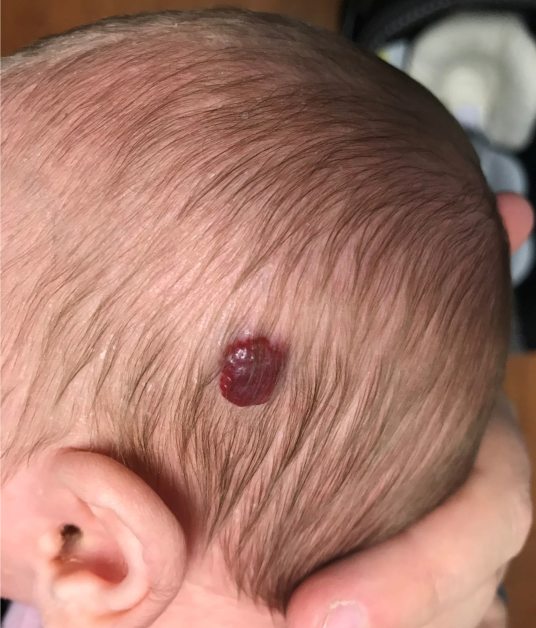
The remainder of the examination shows no abnormalities. Which of the following is the most appropriate next step in management of this patient’s skin lesion?
CorrectIncorrect -
Question 11 of 40
11. Question
A 26-year-old man comes to the office due to a right scrotal mass. Two months ago, the patient had pain in that area following an injury during a football game. The pain and tenderness resolved, but the patient notes that the right scrotum seems enlarged. He has had no fever, dysuria, or urethral discharge. The patient has no chronic medical conditions and takes no medications. He is sexually active with his girlfriend, who takes an oral contraceptive for birth control. Vital signs are normal. Physical examination shows a firm, nontender, 2-cm nodule in the right testis that does not transilluminate. The left testis is normal. There is no inguinal lymphadenopathy. The penis is normal without urethral discharge. Which of the following is the most likely cause of this patient’s current condition?
CorrectIncorrect -
Question 12 of 40
12. Question
A 28-year-old woman comes to the office due to weight gain. Her chart shows that she has gained 2.7 kg (6 lb) since her last yearly visit. She has been depressed over her weight but denies other symptoms of depression. She says her worst fear is becoming fat and points to her cheeks saying, “Even my face is fat.” The patient has recently started a diet that restricts her caloric intake to less than 1200 kcal daily, but adds, “Most days I’m good, but several times a week I lose control and eat everything in sight.” Review of systems indicates menstrual irregularity and occasional dizziness. She has no other medical problems. With the exception of a potassium level of 3.1 mEq/L, routine laboratory values including thyroid function tests are normal. Pregnancy test is negative. The patient weighs 59 kg (130 lb) and is 157.5 cm (5′ 2″) tall. Blood pressure is 90/70 mm Hg and heart rate is 96/min. Physical examination shows swollen cheeks and bad breath. In addition to psychotherapy, which of the following medications would be most effective in treating this patient?
CorrectIncorrect -
Question 13 of 40
13. Question
A 23-year-old woman comes to the psychiatrist for a check-up. She has been on fluoxetine for depression for 3 months and reports that she is feeling much better, with more energy than she has had in many years. She is sleeping through the night and does not feel so sad all the time. The patient says, “I have even made a couple of new friends.” The woman then looks down and appears uncomfortable. When asked what is wrong, she replies, “Well I think it’s just normal jealousy, but my friend said I should tell you.” The doctor encourages the patient to continue. She says, “It’s just that my husband said he would throw out my medication and hurt me if I went out with my friends anymore, so I stopped going out and now everything is fine. He has never hurt me and I don’t think he ever would.” Which of the following is the most appropriate response by the physician?
CorrectIncorrect -
Question 14 of 40
14. Question
A 14-month-old girl is brought to the office by her mother due to sleep and behavioral concerns. Over the past several months, the patient has started screaming in the middle of the night for no reason. The mother says, “Nothing I do consoles her. She used to listen, say our names, and answer yes or no, but now she hardly speaks at all and never seems to be paying attention.” The patient was born at term with no complications and has no significant medical history. Vital signs are within normal limits. On physical examination, she does not make eye contact with the physician and sits on the floor periodically rubbing and clapping her hands. She does not reach for nearby toys. Which of the following is the most appropriate diagnostic test?
CorrectIncorrect -
Question 15 of 40
15. Question
A 68-year-old woman with a history of breast cancer is evaluated due to poorly controlled chest, abdominal, and limb pain. The patient underwent a bilateral mastectomy 4 years ago but now has several skeletal and liver metastases that have not responded to chemotherapy. She takes an as-needed nonsteroidal anti-inflammatory drug and short-acting oral morphine every 4 hours. The dosing frequency of the morphine was increased 3 weeks ago, but the patient says the effects wear off before her next dose. She sleeps well but awakens frequently due to pain; she says, “I can’t bear this. I’m frustrated and sometimes even wonder if it’s worth living with this pain, but when I see all the support from my family, I know it is.” The patient has lost 4.6 kg (10.1 lb) over the past 3 months. Blood pressure is 120/70 mm Hg and pulse is 92/min. She appears tired and tearful. There is tenderness to palpation of several ribs. Which of the following is the most appropriate initial intervention for this patient?
CorrectIncorrect -
Question 16 of 40
16. Question
A 55-year-old man is brought to the emergency department with shortness of breath and generalized weakness since yesterday. This morning he could not get out of bed. He has also had several episodes of midline chest pain but currently is chest pain free. Medical history includes hypertension, hyperlipidemia, type 2 diabetes mellitus, and peripheral vascular disease. The patient is an active smoker with a 20-pack-year history. He appears to be in respiratory distress, and his extremities are cold and clammy. Temperature is 37.5 C (99.5 F), blood pressure is 80/50 mm Hg, pulse is 120/min, and respirations are 30/min. There is visible jugular venous distension with the patient in a sitting position. Chest auscultation reveals bilateral crackles. The abdomen is soft and nontender. ECG shows sinus tachycardia with left bundle branch block. Initial laboratory results are as follows:
Complete blood count
Leukocytes
12,000/mm3
Hemoglobin
11 g/dL
Platelets
240,000/mm3
Serum chemistry
Blood urea nitrogen
18 mg/dL
Creatinine
1.1 mg/dL
Lactate
3.5 mg/dL (normal <2 mg/dL)
Which of the following sets of parameters is most likely to be seen in this patient?
Option
Left ventricular preload
Cardiac output
Systemic vascular resistance
A
↑
↑
↓
B
↑
↓
↑
C
↓
↓
↑
D
↓
↑
↓
E
↓
↓
↓
CorrectIncorrect -
Question 17 of 40
17. Question
A 54-year-old woman comes to the office due to a pruritic rash underneath her breasts for the past 2 weeks. The patient has used several skin moisturizers, but with no relief. She has had no pain or fever. The patient has no prior medical problems, but she has not seen a physician for the past several years. Temperature is 37.1 C (98.8 F), blood pressure is 130/86 mm Hg, and pulse is 82/min. BMI is 36 kg/m2. Physical examination findings are shown in the image below.
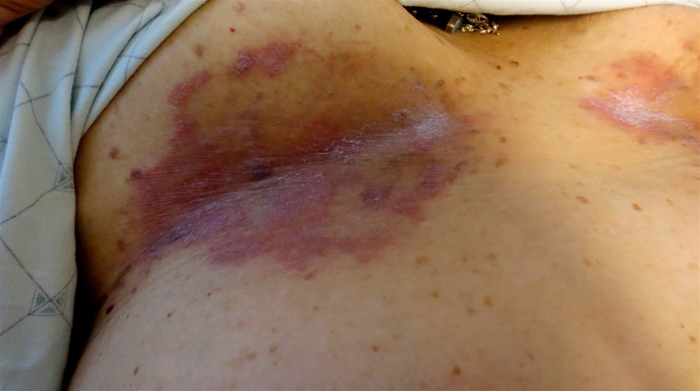
Further evaluation of this patient’s lesion is most likely to reveal which of the following?
CorrectIncorrect -
Question 18 of 40
18. Question
A 1-day-old girl is evaluated for petechiae and jaundice. She was born at 36 weeks gestation to a 24-year-old woman, gravida 3 para 3, who had no prenatal care. During the second trimester, the mother had a week of fever and sore throat, which resolved without treatment, but no other complications. Maternal laboratory studies obtained on admission include rapid plasma regain (RPR), negative; hepatitis B surface antigen, negative; HIV, negative; and rubella, nonimmune. The patient has been feeding normally and has normal urine and stool output. Weight and length are at the 10th percentile, and head circumference is <3rd percentile. Temperature is 36.9 C (98.4 F). Physical examination shows a comfortable-appearing infant with a diffuse petechial rash, jaundice of the face and trunk, and hepatosplenomegaly. Auscultation of the heart and lungs is normal. Which of the following is the most likely cause of this infant’s symptoms?
CorrectIncorrect -
Question 19 of 40
19. Question
A 6-year-old boy is brought to the emergency department by his parents due to new-onset skin rash. The family spent the day at a beach where the patient played in his swimsuit for several hours. When they arrived home, the mother noted redness over the patient’s face, trunk, and extremities. The child cried when she applied emollients to the affected areas. The patient has no prior medical problems and is up to date with routine vaccinations. Vital signs are normal. Examination shows prominent tenderness and confluent erythema of the cheeks, trunk, arms, and legs. There are no blisters. Which of the following is the most appropriate next step in management of this patient?
CorrectIncorrect -
Question 20 of 40
20. Question
A 65-year-old man is admitted to the hospital for acute decompensated congestive heart failure and is treated with intravenous furosemide and supplemental oxygen. On the 3rd hospital day, he is awakened by sudden-onset right knee pain. The pain is severe, and the patient has never had similar symptoms. Medical history is notable for an acute myocardial infarction 3 months earlier that required drug-eluting stent placement to the left anterior descending artery. His other medical problems include chronic obstructive pulmonary disease, persistent atrial fibrillation, type 2 diabetes mellitus, hypercholesterolemia, and hypertension. Concurrent medications include long-acting insulin, metformin, lisinopril, aspirin, carvedilol, clopidogrel, rosuvastatin, apixaban, and furosemide. The patient quit smoking after the myocardial infarction and does not use alcohol or illicit drugs. Temperature is 38 C (100.4 F), blood pressure is 140/90 mm Hg, pulse is 88/min and irregular, and respirations are 16/min. Pulse oximetry is 94% on room air. On examination, there are a few crackles audible at the lung bases bilaterally. The right knee is swollen, erythematous, and tender, with moderate restriction of movement due to pain; 1+ peripheral edema is present in both ankles. Laboratory results are as follows:
Hemoglobin
12 g/dL
Platelets
180,000/mm3
Leukocytes
11,100/mm3
Blood urea nitrogen
18 mg/dL
Creatinine
1.1 mg/dL
Synovial fluid analysis shows numerous inflammatory cells and scattered needle-shaped crystals. No bacteria are seen on Gram stain. Which of the following is the most appropriate next step in management of this patient?
CorrectIncorrect -
Question 21 of 40
21. Question
A 37-year-old woman, gravida 2 para 0 aborta 1, at 9 weeks gestation comes to the emergency department due to vaginal spotting and intermittent lower abdominal pain and pressure for the past 6 hours. The patient reports spotting of bright red blood but no passage of clots or tissue. Abdominal pain is mild and relieved with acetaminophen. The patient’s first pregnancy, 5 years ago, ended in a first-trimester spontaneous abortion. Temperature is 37 C (98.6 F), blood pressure is 128/80 mm Hg, pulse is 76/min, and respirations are 14/min. Bimanual examination reveals a closed cervix, a slightly tender uterus with a size consistent with gestational age, and no adnexal tenderness or masses. Pelvic examination shows scant, bright red blood in the vaginal vault. A bedside ultrasound reveals a 9-week intrauterine gestation with normal fetal heart motion. Hemoglobin is 11.8 g/dL. Blood type is B, Rh-positive. Antibody screen is negative. Which of the following is the best next step in management of this patient?
CorrectIncorrect -
Question 22 of 40
22. Question
A 63-year-old man comes to the office due to eye discomfort. For the last 3 weeks, he has had a sensation of “dirt in my eyes” associated with erythema and tearing. The patient attempted treatment with saline irrigation and oral antihistamines but had to discontinue due to urinary hesitancy and nocturia. Medical history is notable for type 2 diabetes mellitus, coronary artery disease, and benign prostatic hyperplasia. The patient’s vital signs are normal. On examination, he has increased vascularity and mild erythema of the conjunctivae, as shown in the image below. Pupillary reflexes, visual acuity, and funduscopic examination are normal. The patient also has erythema and scattered pustules involving the cheeks and nose.
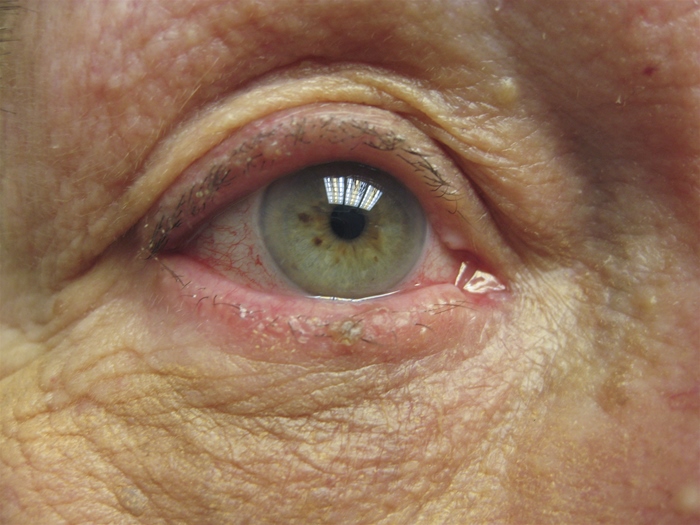
Which of the following is the most likely diagnosis in this patient?
CorrectIncorrect -
Question 23 of 40
23. Question
A 53-year-old woman, gravida 3 para 3, comes to the office due to vulvar irritation. The patient has had a vulvar rash for the last week, with no relief using over-the-counter ointments. She developed the rash after wearing pads daily for the past month. The patient wears the pads for leakage of urine, which soaks through her undergarments at night and during the day. She also feels the need to urinate every hour, often requiring her to leave work meetings. The patient used to run for 45 minutes but now can run only 20 minutes without leaking. She has no pain with urination. Pelvic examination shows a diffusely erythematous vulva and a well rugated vagina. The patient has a 12-week, irregularly contoured uterus. When she bears down, no leakage of urine occurs. Postvoid residual and urinalysis are normal. Which of the following is the most likely mechanism for this patient’s incontinence?
CorrectIncorrect -
Question 24 of 40
24. Question
A 33-year-old man is brought to the emergency department due to 3 days of progressive confusion and drowsiness. His symptoms started a week ago with low-grade fever, malaise, nausea, vomiting, and anorexia. The patient has no significant medical history and takes acetaminophen for occasional headaches. He has had several bisexual relationships and uses condoms inconsistently. His temperature is 37.9 C (100.2 F), blood pressure is 108/66 mm Hg, and pulse is 112/min. The patient is somnolent and wakes to painful stimuli; he is disoriented but follows simple instructions. Physical examination shows jaundice, asterixis, and tender hepatomegaly. There are no stigmata of chronic liver disease. Which of the following laboratory studies is most consistent with acute liver failure in this patient?
CorrectIncorrect -
Question 25 of 40
25. Question
A 39-year-old woman, gravida 2 para 0 aborta 1, at 12 weeks gestation comes to the office for an initial prenatal visit. She reports occasional nausea, but no vaginal bleeding or cramping. The patient has a history of epilepsy and bipolar disorder controlled with carbamazepine and lithium. She has no history of abnormal Pap tests or sexually transmitted infections. She has a 20-pack-year history of cigarette use and frequent cocaine use. Family history is significant for a brother with trisomy 21. Blood pressure is 140/90 mm Hg and pulse is 82/min. BMI is 24 kg/m2. Pelvic examination reveals a 12-week-size, nontender uterus. Fetal anatomy ultrasound reveals a 12-week fetus with a normal heart rate and a large myelomeningocele. Which of the following is this patient’s most significant risk factor for the ultrasound findings?
CorrectIncorrect -
Question 26 of 40
26. Question
A 27-year-old primigravida at 10 weeks gestation comes to the office for an initial prenatal visit. Since finding out she was pregnant 3 weeks ago, the patient has been feeling overwhelmed. She says, “I just got married 2 months ago and wasn’t planning on getting pregnant for another few years. This was all my fault—I wasn’t taking my birth control regularly. I can’t do anything right, and I’m going to fail at being a mom.” The patient states that she has not told her husband yet, even though he is supportive and worried about why she has been crying frequently. She has been avoiding friends and family due to concern they will find out about her pregnancy and think she was irresponsible. The patient stays up late at night thinking about how her body will change in the coming months and feels unfocused at work and home. Medical history is noncontributory. She takes a daily prenatal vitamin. Vital signs are within normal limits. Physical examination shows no abnormalities. On mental status examination, the patient appears tired and pauses before answering questions in a low volume. She says, “I really want to have a baby. I just don’t know why I’m reacting like this.” She has no delusions, hallucinations, or suicidal ideation. Which of the following is the most appropriate response by the physician?
CorrectIncorrect -
Question 27 of 40
27. Question
A 54-year-old man is brought to the emergency department after his family found him on the floor and unresponsive at home. The patient has a history of hypertension but is not adherent with medical treatment. He smokes cigarettes and uses cocaine. Temperature is 36.6 C (97.9 F), blood pressure is 176/98 mm Hg, pulse is 58/min, and respirations are 12/min and irregular. The patient is unresponsive to deep sternal rub. The right pupil is widely dilated and unresponsive to light. There is intermittent extended posturing of the left arm and leg. Deep tendon reflexes are 4+ in the left extremities, and Babinski sign is present on the left side. Which of the following is the most likely cause of this patient’s current condition?
CorrectIncorrect -
Question 28 of 40
28. Question
A 42-year-old woman is brought to the emergency department by her husband for new-onset tremors and extreme restlessness. She feels nauseated and anxious. The patient works as a nursing aide; she recently injured her back lifting a patient and was prescribed tramadol. She has a history of major depression with psychotic features. Her other medications include venlafaxine and aripiprazole. Temperature is 38.3 C (101 F), blood pressure is 160/100 mm Hg, pulse is 125/min, and respirations are 20/min. On examination, the patient is flushed and diaphoretic and her voice is tremulous. Mild rigidity and tremors are noted in her lower extremities. Deep tendon reflexes are 3+. Pupillary dilation and ocular clonus are present. Dysregulation of which of the following neurotransmitters is the most likely cause of this patient’s symptoms?
CorrectIncorrect -
Question 29 of 40
29. Question
A 24-year-old woman, gravida 1 para 1, is evaluated for fevers and chills on postpartum day 2 after a forceps-assisted vaginal delivery. The patient initially came to the hospital at 41 weeks gestation for leakage of fluid. After a 2-day induction, during which the patient received penicillin for a positive group B Streptococcus rectovaginal culture, a forceps-assisted vaginal delivery was performed for maternal exhaustion and a nonreassuring fetal heart rate tracing. A second-degree perineal laceration was repaired. A urinary catheter was placed on the first postpartum day for urinary retention but was discontinued later that day. The patient reports no dysuria. Current temperature is 39.4 C (103 F), blood pressure is 120/56 mm Hg, and pulse is 112/min. Physical examination shows firm, enlarged breasts. Auscultation of the lungs reveals normal breath sounds bilaterally. Abdominal examination shows uterine fundal tenderness but no suprapubic tenderness. Pelvic examination shows an intact laceration repair with a moderate amount of lochia. The patient has pitting edema of the feet and calves bilaterally but no palpable cords. Which of the following is the most likely cause of this patient’s fever?
CorrectIncorrect -
Question 30 of 40
30. Question
A 19-year-old athlete comes to the office with a week of fever, malaise, headache, and cough that disrupts her sleep. She was unable to do her gymnastics training this past week due to fatigue and exertional dyspnea. The patient has no chronic medical problems and takes no medications. Temperature is 37.2 C (99 F), blood pressure is 110/60 mm Hg, pulse is 84/min, and respirations are 18/min. The neck is supple, and there is no pharyngeal erythema or cervical lymphadenopathy. Cardiopulmonary examination reveals normal S1 and S2 and scattered wheezes. Neurologic examination shows preserved muscle strength in all extremities and 2+ deep tendon reflexes. Laboratory results are as follows:
Complete blood count
Hemoglobin
12.2 g/dL
Reticulocytes
2.2%
Platelets
240,000/mm3
Leukocytes
8,000/mm3
Chest x-ray shows diffuse reticulonodular opacities. Which of the following is likely to be the most effective treatment for this patient?
CorrectIncorrect -
Question 31 of 40
31. Question
A 68-year-old man is scheduled for elective coronary artery bypass grafting surgery in 2 weeks. He was evaluated for exertional angina and found to have extensive triple-vessel coronary artery disease on cardiac catheterization. His left ventricular ejection fraction is normal and he has no major valvular disease. The patient experiences dyspnea and chest pain on exertion when walking 4-5 blocks and has chronic sputum production. His medical history is significant for hypertension, hyperlipidemia, obstructive sleep apnea, and chronic obstructive pulmonary disease (COPD). The patient is an active smoker with a 40-pack-year history. He has never been hospitalized for a COPD exacerbation. Blood pressure is 140/90 mm Hg and pulse is 70/min with regular rhythm. Pulse oximetry shows 95% on room air. BMI is 30 kg/m2. The lungs are clear to auscultation. Which of the following interventions is most likely to decrease the risk of postoperative pneumonia in this patient?
CorrectIncorrect -
Question 32 of 40
32. Question
A 45-year-old man comes to the office due to persistent fatigue and sleepiness. He describes a long history of excessive daytime sleepiness that he previously managed by taking frequent naps in his office. This is no longer possible as he has a new job that requires him to share an office with a coworker. The patient is now worried about his work performance and fears that he has already made a poor impression by repeatedly falling asleep in staff meetings and nearly falling down when his knees buckle while laughing at jokes. He generally sleeps from 11 PM to 7 AM without awakening. The patient describes vivid dreamlike scenes that run through his mind while he is falling asleep and waking up. His wife says he snores lightly but has not noticed any pauses in his breathing, snorting or gasping, or excessive leg movements. His medical problems include hypertension and hypercholesterolemia. The patient drinks 6 or 7 cups of coffee daily and 1 or 2 beers on weekends. He is 175.3 cm (5 ft 9 in) tall and weighs 93 kg (205 lb). Temperature is 37 C (98.6 F), blood pressure is 130/85 mm Hg, and pulse is 86/min. Physical examination shows no abnormalities. Polysomnography, ordered to further evaluate this patient’s sleep problem, is most likely to show which of the following?
CorrectIncorrect -
Question 33 of 40
33. Question
A 36-year-old man comes to the office due to diarrhea for the past 3 weeks. The symptoms began while he was traveling in the Philippines and have continued following his return home. The patient has had 4 or 5 daily episodes of diarrhea that contain blood and mucus. He also has intermittent abdominal cramping and nausea. The patient has been able to tolerate oral fluids and food but has lost 2 kg (4.4 lb) during this time. He has no other symptoms. Temperature is 37.1 C (98.8 F), blood pressure is 117/76 mm Hg, pulse is 82/min, and respirations are 14/min. Abdominal examination shows mild tenderness of the right lower and left upper quadrant. The remainder of the examination is normal. What is the most appropriate next step in management of this patient?
CorrectIncorrect -
Question 34 of 40
34. Question
A 21-month-old boy is brought to the clinic due to bright red blood in his urine that his parents first noticed when changing his diaper 2 days ago. The patient has not had any previous bleeding and has been eating and drinking normally. He recently had a week of cough and nasal congestion that has since resolved. Medical history is notable for recurrent otitis media and 2 episodes of pneumonia, 1 of which required hospitalization. Topical petrolatum is applied daily for dry skin on his cheeks, and immunizations are up to date. Vital signs are normal. The patient is at the 50th percentile for weight and height. Examination reveals scattered petechiae on his lower extremities but is otherwise unremarkable. Complete blood count results are as follows:
Hemoglobin
14.1 g/dL
Platelets
20,000/mm3
Leukocytes
8400/mm3
Peripheral smear is notable for small platelet size. Which of the following is the most likely diagnosis for this patient?
CorrectIncorrect -
Question 35 of 40
35. Question
A 38-year-old man comes to the emergency department after 2 days of cough, fever, chills, and night sweats. The patient notes right-sided pleuritic chest pain on deep inspiration. The cough is productive of brownish sputum with occasional flecks of blood. Medical history is significant for asthma since childhood. The asthma has been poorly controlled over the last year with frequent exacerbations despite escalating medical therapy, including 3 exacerbations that required hospitalization and corticosteroid treatment. The patient had an episode of pneumonia 3 months ago. He currently uses an inhaled corticosteroid but still needs an albuterol inhaler several times a day. His temperature is 38 C (100.4 F). Lung examination is notable for diffuse bilateral wheezing. Laboratory results are as follows:
Leukocytes 15,000/mm3 Neutrophils 60% Eosinophils 12% CT scan of the chest demonstrates a right lower lobe infiltrate and bilateral central bronchiectasis. What is the most likely diagnosis for this patient?
CorrectIncorrect -
Question 36 of 40
36. Question
A 28-year-old man is brought to the emergency department by his roommate 45 minutes after he was observed having a seizure. The patient has no known history of a seizure disorder. The roommate reports that the patient has been depressed since a serious motorcycle collision 5 years ago and recently completed a drug rehabilitation program for alcohol, cocaine, and prescription opioid abuse. He thinks the patient is taking an antidepressant but is unsure of which one. On examination, the patient is sedated, disoriented, and flushed. Temperature is 38.3 C (100.9 F), blood pressure is 90/50 mm Hg, and pulse is 130/min. The pupils are dilated and bowel sounds are decreased. ECG reveals sinus tachycardia and a QRS duration of 130 msec. Which of the following is the most likely cause of this patient’s symptoms?
CorrectIncorrect -
Question 37 of 40
37. Question
A 35-year-old woman comes to the office due to a month of tingling, numbness, discoloration, and pain in the first and second toes of her right foot. She had similar symptoms 6 months ago during winter but attributed her symptoms to the cold temperatures and did not seek medical attention. There is no associated fever, weight loss, abdominal pain, or urinary symptoms. Medical history is unremarkable. The patient works as a prison guard. She smokes a pack of cigarettes daily but does not use alcohol or illicit drugs. Vital signs are normal, and BMI is 24 kg/m2. Chest and abdominal examinations are normal. The toes of the right foot appear dusky, with areas of dry gangrene at the first and second toes and a tender superficial ulcer at the tip of the third toe. The remainder of the skin examination is normal. Dorsalis pedis and posterior tibial pulses are normal in both feet. Lower extremity motor strength and deep tendon reflexes are normal and symmetric. Laboratory studies show normal blood counts and renal and liver function tests. Fasting blood glucose is 78 mg/dL, and erythrocyte sedimentation rate is 15 mm/h. Which of the following is the most likely diagnosis?
CorrectIncorrect -
Question 38 of 40
38. Question
A 32-year-old woman comes to the clinic due to shortness of breath for the past 4 days. The patient describes her exercise tolerance as excellent but recently has had rapidly progressive breathlessness on exertion. She can hardly walk half a block without stopping. She has also noticed mild lightheadedness. The patient has no fevers, skin rash, chest pain, palpitations, or syncope. She has a history of rheumatic mitral valve stenosis and underwent mechanical mitral valve implantation 2 years ago. She takes warfarin and low-dose aspirin. The patient does not smoke cigarettes. She tries to follow a healthy lifestyle and started taking multivitamins several weeks ago to boost her immune system. Blood pressure is 112/70 mm Hg and heart rate is 90/min and regular. Lung examination reveals bibasilar crackles. There is no peripheral edema. Laboratory results are as follows:
Hemoglobin
12.1 g/dL
Platelets
140,000/mm3
Creatinine
1.0 mg/dL
INR
1.5
Which of the following is the most likely cause of this patient’s current symptoms?
CorrectIncorrect -
Question 39 of 40
39. Question
A 28-year-old man comes to the office due to chronic cough. A year ago, he had a severe episode of pneumonia that required 4 days in the intensive care unit. Since then, the patient has had intermittent episodes of cough productive of thick, yellow sputum occasionally streaked with blood. He also has had shortness of breath and fatigue. Antibiotics were prescribed for respiratory infection twice over the last year and resulted in some improvement of symptoms. The patient has lost 6 kg (13.2 lb) in the past year. His only medication is albuterol, which he takes as needed for wheezing and shortness of breath. Prior to his hospitalization for pneumonia, the patient had no significant medical history. He has never used tobacco and does not use alcohol. He is afebrile. Physical examination reveals crackles over the right lower lung field and scattered wheezing. Which of the following best explains this patient’s symptoms?
CorrectIncorrect -
Question 40 of 40
40. Question
A 64-year-old man is brought to the emergency department by his wife with 3 days of progressive confusion. He also has a cough and has spent most of the last week in bed due to associated weakness. The patient’s medical history is significant for hyperlipidemia treated with simvastatin, hypertension treated with amlodipine and chlorthalidone, and diet-controlled type 2 diabetes mellitus. The patient has smoked a pack of cigarettes per day for 40 years and drinks alcohol occasionally. Temperature is 36.7 C (98 F), blood pressure is 120/70 mm Hg, pulse is 115/min, and respirations are 18/min. Oxygen saturation is 92% on room air. His mucous membranes are dry. Chest examination shows decreased breath sounds and expiratory wheezes. Trace pedal edema is noted. Laboratory results are as follows:
Sodium
131 mEq/L
Potassium
3.9 mEq/L
Chloride
101 mEq/L
Bicarbonate
23 mEq/L
Blood urea nitrogen
42 mg/dL
Creatinine
1.3 mg/dL
Calcium
14.1 mg/dL
Glucose
195 mg/dL
Chest x-ray reveals a 2-cm right middle lobe mass. Which of the following is the best initial therapy for this patient?
CorrectIncorrect