
A 32-year-old woman comes to the physician because of a 2-week history of fatigue and increased urination. She has had a 2.3-kg (5-lb) weight loss despite eating more during this time. She has had two urinary tract infections in the past. She takes no medications. She does not smoke cigarettes, drink alcohol, or use illicit drugs. The patient is alert and fully oriented. She is 165 cm (5 ft 5 in) tall and weighs 52 kg (115 lb); BMI is 19 kg/m2. Her temperature is 36.5°C (97.7°F), pulse is 100/min, respirations are 20/min, and blood pressure is 90/60 mm Hg. Pulse oximetry on room air shows an oxygen saturation of 100%. The oropharynx is dry. The remainder of the examination shows no abnormalities. Laboratory studies show:
Serum
Na+
142 mEq/L
K+
5.4 mEq/L
Cl-
104 mEq/L
HCO3-
16 mEq/L
Glucose
800 mg/dL
Creatinine
1.3 mg/dL
Urine
Specific gravity
1.030
Bilirubin
none
Protein
none
RBC
0–5/hpf
WBC
25–50/hpf
Nitrites
positive
Leukocyte esterase
positive
Glucose
>1000 mg/24 h
Which of the following serum hormonal profiles is most consistent with this patient’s presentation?
Option
Insulin
Glucagon
Catecholamines
A
Decreased
Decreased
Decreased
B
Decreased
Increased
Decreased
C
Decreased
Decreased
Increased
D
Decreased
Increased
Increased
E
Increased
Increased
Decreased
F
Increased
Decreased
Increased
G
Increased
Decreased
Decreased
H
Increased
Increased
Increased
Correct
Incorrect
Question 2 of 50
2. Question
A 5-year-old girl is brought to the physician as a new patient for an examination prior to starting kindergarten. She was noted to have high blood pressure by a previous physician 3 years ago. Her blood pressure 2 years ago was within normal limits. She has not been seen by a physician since that time because her mother did not have adequate health insurance. The patient is at the 50th percentile for height and 15th percentile for weight. Her temperature is 36.7°C (98°F), pulse is 80/min, respirations are 25/min, and blood pressure is 140/90 mm Hg. A bruit is heard over the right aspect of the midabdomen. No other abnormalities are noted. Renal arteriography shows stenosis of the right renal artery. Which of the following is the most appropriate next step in management?
Correct
Incorrect
Question 3 of 50
3. Question
A 42-year-old woman, gravida 1, para 1, comes to the office for a routine examination. She is concerned about her risk for coronary artery disease. She has irritable bowel syndrome and migraines. Medications are sumatriptan and ibuprofen as needed. Her father has hypertension and hyperlipidemia. Her paternal uncle was diagnosed with coronary artery disease at the age of 50 years. The patient smoked one pack of cigarettes daily for 10 years but quit 7 years ago. She drinks two glasses of wine weekly. She does not use illicit drugs. She runs 3 miles one to three times weekly. She is 168 cm (5 ft 6 in) tall and weighs 77 kg (170 lb); BMI is 27 kg/m2. Blood pressure is 118/70 mm Hg. Examination shows no other abnormalities. Results of fasting serum studies are shown:
Glucose
82 mg/dL
Cholesterol, total
255 mg/dL
HDL-cholesterol
85 mg/dL
LDL-cholesterol
155 mg/dL
Triglycerides
70 mg/dL
The risk assessment score for her 10-year probability of coronary artery disease is 0.4%. The patient is counseled about maintaining a diet low in saturated fat and continuing her exercise regimen. Which of the following is the most appropriate next step in management?
Correct
Incorrect
Question 4 of 50
4. Question
An investigator would like to determine if a new medication for chronic obstructive pulmonary disease (COPD) decreases hospitalization rates in adults who come to the emergency department (ED) because of an exacerbation. All patients with COPD who come to the ED because of an exacerbation will be invited to participate in the study. Patients will be randomly assigned to receive the new medication plus standard therapy or standard therapy alone during the hours that a study nurse is present (7 am to 7 pm daily). Patients who come to the ED outside of these hours will not be enrolled in the study. Physicians treating the patients will be blinded to the group assignments. Outcomes will be assessed by a physician not involved in the care of the patients. Which of the following is the greatest limitation of this study design?
Correct
Incorrect
Question 5 of 50
5. Question
A 57-year-old man is brought to the emergency department by his neighbors, who found him lying unconscious in a puddle of vomit in his apartment. He has a 20-year history of alcohol use disorder. On arrival, he is lethargic and reports shortness of breath. He is unable to provide a medical history. His temperature is 39°C (102.2°F), pulse is 98/min, respirations are 28/min, and blood pressure is 132/76 mm Hg. Diffuse crackles are heard bilaterally. Arterial blood gas analysis on room air shows:
pH
7.44
Pco2
30 mm Hg
Po2
48 mm Hg
An x-ray of the chest shows pulmonary infiltrates bilaterally. Which of the following is the most appropriate next step in management?
Correct
Incorrect
Question 6 of 50
6. Question
A 37-year-old woman is scheduled for arthroscopic repair of a right medial meniscus tear. Her procedure is the surgeon’s last scheduled operation of the day. All previous procedures this day involved the left knee. In the operating room, the resident prepares the left knee for the operation. The operation is discontinued after the surgeon discovers no meniscus tear, and the patient is informed about the error. Which of the following is the best approach to prevent future errors of this type?
Correct
Incorrect
Question 7 of 50
7. Question
A 52-year-old woman comes to the office because of a 6-week history of moderate epigastric pain and an intermittent mild, midsternal burning sensation when she eats. She has had a 4.5-kg (10-lb) weight loss during the past 6 months despite no change in appetite. During this time, she also occasionally has had dark stools. She has type 2 diabetes mellitus, hypertension, and osteoarthritis. Her medications are metformin, hydrochlorothiazide, and ibuprofen. She has smoked one pack of cigarettes daily for 36 years. She appears malnourished. She is 163 cm (5 ft 4 in) tall and weighs 54 kg (120 lb); BMI is 21 kg/m2. Her pulse is 86/min, and blood pressure is 110/65 mm Hg. Examination shows mild epigastric tenderness. There is no hepatosplenomegaly. The remainder of the examination shows no abnormalities. Her hematocrit is 30%, leukocyte count is 6200/mm3, and platelet count is 530,000/mm3. Serum electrolyte concentrations are within the reference ranges. In addition to discontinuing ibuprofen therapy, which of the following is the most appropriate next step in management?
Correct
Incorrect
Question 8 of 50
8. Question
A 67-year-old man comes to the physician because of a 6-month history of increasing difficulty walking. He has not had pain or numbness. He has no history of serious illness or recent infection. Examination of the lower extremities shows atrophy; muscle strength is 3/5 bilaterally. Deep tendon reflexes are increased in the lower extremities. Sensation is intact. Which of the following is the most likely diagnosis?
Correct
Incorrect
Question 9 of 50
9. Question
A 14-year-old girl is brought to the physician because of an 18-hour history of persistent right-sided lower abdominal pain. She has not had fever, vomiting, or diarrhea. She has no history of serious illness or operative procedures. Menarche was at the age of 12 years, and menses occur at regular 28-day intervals. Her last menstrual period was 2 weeks ago. She is not sexually active. Her temperature is 37°C (98.6°F), pulse is 72/min, respirations are 14/min, and blood pressure is 120/80 mm Hg. Abdominal examination shows mild tenderness with guarding over the right lower quadrant. There is no distention, and bowel sounds are normal. The remainder of the examination shows no abnormalities. Her hemoglobin concentration is 13.9 g/dL, and leukocyte count is 8000/mm3 with a normal differential. Urinalysis shows no abnormalities. Abdominal ultrasonography shows a small amount of fluid in the pelvis. Which of the following is the most likely diagnosis?
Correct
Incorrect
Question 10 of 50
10. Question
A 62-year-old man, who underwent right below-the-knee amputation 36 years ago, comes to the emergency department because of a 1-month history of an ulcer on the end of the residual limb. His amputation was the result of injuries he sustained while serving in the military. He says his prosthetic socket has “felt loose and has been rubbing recently.” During the past 6 months, he has had progressive difficulty walking because of sharp pain that radiates up his leg. The pain has been occurring earlier during his walks; it slowly improves with rest. He previously walked 1 mile daily for exercise and could walk several miles without stopping. He has not had vomiting, fever, chills, or malaise. He has type 2 diabetes mellitus treated with diet. One month ago, his hemoglobin A1c was 6%. Vital signs are within normal limits. Examination of the right lower extremity shows mild erythema and a 1 × 1-cm ulcer, with a depth of 3 mm, over the anteromedial aspect of the limb. There is viable soft tissue, and margins are clear. The limb is warm. The popliteal pulse is 1+. In addition to a recommendation for non-weight bearing and avoidance of direct pressure to the site, which of the following is the most appropriate next step in management?
Correct
Incorrect
Question 11 of 50
11. Question
A 40-year-old man comes to the physician 6 days after noticing a nonpainful lump in his neck. He also has a 2-week history of palpitations. He is otherwise asymptomatic. He has no history of serious illness and takes no medications. His temperature is 37.2°C (99°F), pulse is 110/min, respirations are 16/min, and blood pressure is 134/60 mm Hg. Examination shows a 1.4-cm, firm thyroid nodule. His serum thyroid-stimulating hormone concentration is less than 0.05 mIU/L, and serum free thyroxine concentration is 3.5 ng/dL (N=0.9–1.7). Which of the following is the most appropriate next step in management?
Correct
Incorrect
Question 12 of 50
12. Question
A previously healthy 24-year-old man comes to the emergency department because of a 12-hour history of increasing pain to the left of the center of his chest. Initially, the pain was mild and occurred only when he breathed deeply. Now, the pain is more severe and constant. He rates the pain as an 8 on a 10-point scale. The pain increases when he lies on his back, decreases when he leans forward, and does not radiate. He has not had palpitations, shortness of breath, nausea, vomiting, or sweating. He says that he is “recovering from a head cold,” which he has had for 14 days. He appears moderately uncomfortable but is in no respiratory distress. His temperature is 37.6°C (99.6°F), pulse is 66/min and regular, respirations are 20/min, and blood pressure is 152/88 mm Hg. Examination, including cardiovascular examination, shows no abnormalities. His serum creatine kinase activity is 420 mg/dL with an MB fraction of 12% (N<5%). An ECG is shown. Which of the following is the most appropriate next step in diagnosis?
Correct
Incorrect
Question 13 of 50
13. Question
A 21-year-old man is brought to the emergency department by paramedics because of a 10-hour history of altered mental status. The mother says the patient was “fine” last night. This morning, he did not wake up at his usual time; when she went to check on him, she could not get him to wake up. He has no history of serious medical or psychiatric illness and takes no medications. His mother says he does not smoke cigarettes, drink alcohol, or use illicit drugs. On arrival, he is lethargic but not in respiratory distress. He is responsive to painful stimuli. His temperature is 36.7°C (98.0°F), pulse is 120/min, respirations are 26/min, and blood pressure is 135/85 mm Hg. Pulse oximetry on room air shows an oxygen saturation of 100%. Physical examination shows no other abnormalities. Laboratory studies are shown:
Serum
Na+
143 mEq/L
K+
3.8 mEq/L
Cl−
110 mEq/L
HCO3−
13 mEq/L
Urea nitrogen
14 mg/dL
Glucose
120 mg/dL
Osmolality
290 mOsmol/kg H2O
Urine
Glucose
none
Ketones
3+
Arterial blood gas analysis is shown:
pH
7.43
Pco2
22 mm Hg
Po2
96 mm Hg
Which of the following is the most likely diagnosis?
Correct
Incorrect
Question 14 of 50
14. Question
A 25-year-old man is brought to the emergency department 1 hour after sustaining a gunshot wound to the abdomen. He has pain at the bullet entry site. He is awake, alert, and appropriately conversant. His temperature is 38.8°C (101.8°F), pulse is 85/min, respirations are 18/min, and blood pressure is 128/70 mm Hg. Abdominal examination shows a bullet wound 5 cm to the right of the umbilicus. There is moderate tenderness over the entry site. The remainder of the examination shows no abnormalities. During operative exploration, 250 mL of succus entericus and eight small bowel holes are found in the abdomen; the bowel holes are treated by resection of 12 cm of proximal ileum. The intestine is reconstructed with a stapled anastomosis. The midline abdominal fascia is sutured closed. Which of the following methods of skin and soft tissue wound management at this point is most likely to decrease the risk for postoperative wound infection?
Correct
Incorrect
Question 15 of 50
15. Question
A previously healthy 37-year-old woman comes to the physician because of a 2-year history of her hands and fingers turning a bluish color with exposure to cold. The discoloration has been occurring with increasing frequency and now occurs with exposure to air conditioning and cold water. Examination of the hands shows no abnormalities. The brachial and radial pulses are present bilaterally. When the hands are rinsed in cold water, the fingers become bluish then bright red with rewarming. Which of the following is the most appropriate next step in management?
Correct
Incorrect
Question 16 of 50
16. Question
A 60-year-old man comes to the office for a routine examination. Medical history is remarkable for hypertension and alcohol use disorder. Medications are amlodipine and omeprazole. He has smoked one pack of cigarettes daily for 40 years, and he drinks approximately twelve beers daily. Vital signs are within normal limits. Physical examination discloses no abnormalities. Results of serum studies are most likely to show which of the following?
Correct
Incorrect
Question 17 of 50
17. Question
An 87-year-old woman comes to the physician because of a 3-week history of nausea and general malaise. She has hypertension. One month ago, her blood pressure was 160/95 mm Hg and hydrochlorothiazide therapy was begun. Her only other medication is 81-mg aspirin. She is 157 cm (5 ft 2 in) tall and weighs 50 kg (110 lb); BMI is 20 kg/m2. Today, her pulse is 78/min; her blood pressure is 155/92 mm Hg in the right upper extremity and 153/90 mm Hg in the left upper extremity. The remainder of the examination shows no abnormalities. Serum studies show:
Na+
125 mEq/L
K+
3.2 mEq/L
Cl–
87 mEq/L
HCO3–
25 mEq/L
Ca2+
9.6 mg/dL
Urea nitrogen
14 mg/dL
Glucose
107 mg/dL
Creatinine
0.6 mg/dL
Which of the following is the most appropriate next step in pharmacotherapy?
Correct
Incorrect
Question 18 of 50
18. Question
A 15-year-old girl is brought to the office by her mother because of a 3-day history of pain with urination and an increasingly frequent and urgent need to urinate. She has had three episodes of urinary tract infection during the past year. She has no other history of serious illness and currently takes no medications. The patient appears subdued and avoids eye contact. The physician asks the mother to leave the office for the remainder of the interview, and she initially is reluctant. When she leaves the room, the physician asks the patient about her sexual history. The patient appears anxious and asks, “If I answer these questions, will you promise not to tell my mom?” Which of the following is the most appropriate physician response?
Correct
Incorrect
Question 19 of 50
19. Question
A 37-year-old man with a 2-year history of intermittent right knee pain comes to the office because of a 2-month history of increased knee pain that began after he collided with another person while skiing. The pain has particularly worsened during the past 2 days and has made bearing weight on his right leg difficult. Immediately following the collision, he felt a sharp pain in the middle of his kneecap and sustained several scrapes and cuts on his kneecap, which stopped bleeding within minutes but have continued to slowly ooze a clear discharge thereafter. Medical history otherwise is noncontributory. His only medications are a daily multivitamin and occasional acetaminophen for pain. His temperature is 38°C (100.4°F), pulse is 76/min, and blood pressure is 110/60 mm Hg. Examination shows an erythematous right knee that is warm to touch. The patella is ballotable, and there is moderate joint effusion. Bending the right knee 10 to 15 degrees causes pain; the patient cannot tolerate bending it any further. Which of the following is most likely diagnosis?
Correct
Incorrect
Question 20 of 50
20. Question
A 15-year-old girl is brought to the office because of a 2-week history of a facial rash and fatigue. She has a 9-day history of stiffness and swelling of her fingers on awakening in the morning. She has no history of serious illness and takes no medications. She appears tired and has mild chest pain with deep inspiration. Temperature is 38.0°C (100.4°F), pulse is 94/min and regular, respirations are 24/min, and blood pressure is 112/76 mm Hg. A photograph of the patient’s face is shown. There are three nontender ulcers over the soft palate. Diffuse 1- to 2-cm lymph nodes are palpated in the anterior and posterior cervical chains. The lungs are clear to auscultation. Heart sounds are normal. Examination of the extremities shows mild erythema, tenderness, and swelling of the proximal interphalangeal and metacarpophalangeal joints, knees, and metatarsophalangeal joints. Urinalysis shows 2+ protein and 1+ blood. Which of the following is most appropriate in determining management for this patient?
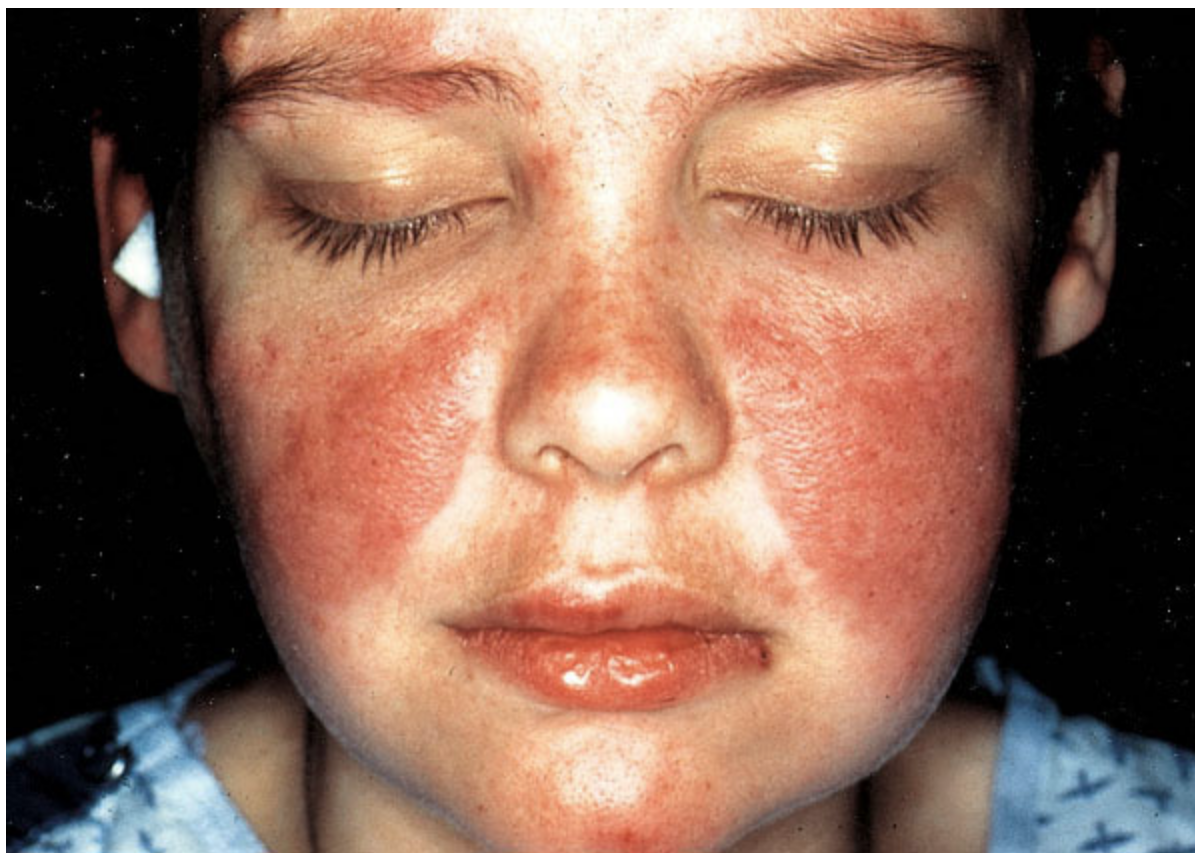
Correct
Incorrect
Question 21 of 50
21. Question
A 67-year-old woman comes to the physician because of a 6-month history of mild pain in her legs with walking and at rest. Her pain is somewhat relieved when she elevates her legs. She has a 3-year history of intermittent swelling of her legs. She has no history of serious illness and takes no medications. She has smoked one-half pack of cigarettes daily for 18 years. She has been able to perform her normal daily activities. Cardiopulmonary examination shows no abnormalities. There is nonpitting edema of the lower extremities. A photograph of the right lower extremity is shown. Which of the following is the most appropriate next step in diagnosis of the lower extremity findings?
Correct
Incorrect
Question 22 of 50
22. Question
Ten days after undergoing left above-the-knee amputation for severe diabetic soft-tissue infection, a 78-year-old man in the intensive care unit has noisy, labored breathing. His postoperative course has been complicated by sepsis, delirium, and respiratory insufficiency. His temperature is 37.5°C (99.5°F), pulse is 72/min, respirations are 9/min, and blood pressure is 100/50 mm Hg. Pulse oximetry on 3 L of oxygen by nasal cannula shows an oxygen saturation of 92%. He is not oriented to person, place, or time. Breath sounds are coarse and distant bilaterally. The extremities are cool to the touch and mottled. After discussions with the patient’s family, and consistent with the patient’s wishes, the family has chosen to provide comfort care. The family remains concerned about the patient’s current loud breathing and secretions. Which of the following is the most appropriate next step in management?
Correct
Incorrect
Question 23 of 50
23. Question
A previously healthy 4-year-old boy is brought to the emergency department by his mother on a winter evening because of the sudden onset of coughing and mild difficulty breathing. His symptoms began late this afternoon when he was playing with other children at a party. His brother has asthma. The patient’s temperature is 37.2°C (99°F), pulse is 92/min, and respirations are 36/min. Physical examination shows intense intermittent coughing and mild intercostal retractions. Wheezes are heard bilaterally but are greater on the right. An x-ray of the chest is shown. Which of the following is the most likely diagnosis?
Correct
Incorrect
Question 24 of 50
24. Question
A 62-year-old man comes to the office with his wife for a follow-up examination 4 weeks after he was hospitalized for management of an acute myocardial infarction that required cardiac catheterization. He has had a 1.4-kg (3-lb) weight gain since discharge. He has not had shortness of breath or chest pain on exertion. He has been sleeping well. His medications are losartan and atorvastatin; he is intermittently adherent to his regimen. He has had irregular attendance at an outpatient cardiac rehabilitation program; he says he sometimes skips sessions because he is tired. His wife says he is irritable and often talks of his father who died of a heart attack at the age of 65 years. The couple has not resumed sexual activity because of the patient’s fear of having another heart attack. The patient enjoys seeing his grandchildren but is no longer interested in playing poker with his friends. He is 168 cm (5 ft 6 in) tall and weighs 85 kg (187 lb); BMI is 30 kg/m2. His pulse is 90/min, respirations are 16/min, and blood pressure is 130/84 mm Hg. Physical examination shows no pedal edema. On mental status examination, he describes his mood as “blah” and has a constricted affect. He reports no suicidal ideation or suicide plan. Which of the following is the most likely diagnosis?
Correct
Incorrect
Question 25 of 50
25. Question
A 17-year-old primigravid patient at 22 weeks’ gestation comes to the physician because of a 12-hour history of fever, nausea, and vomiting. She has abdominal tenderness on the right side when she coughs. Her temperature is 38.3°C (101°F). Pelvic and rectal examinations show right-sided tenderness. Fetal heart tones are normal. Her leukocyte count is 18,000/mm3 with a shift to the left. Her serum amylase activity is within the reference range. During the next 8 hours, vomiting, fever, and abdominal pain continue. Ultrasonography of the gallbladder shows no abnormalities. Which of the following is the most appropriate next step in diagnosis?
Correct
Incorrect
Question 26 of 50
26. Question
An 18-year-old man comes to the clinic because of a 3-hour history of right eye pain with mild light sensitivity and blurry vision that have been present since he awakened this morning. He has had no symptoms in his left eye. He reports being struck in the face by a soccer ball last night but having no symptoms at that time. Medical history is remarkable for admission to the hospital 2 years ago for acute chest syndrome secondary to sickle cell disease; he has taken hydroxyurea since that time. He takes no other medications and does not wear corrective lenses. Family history is remarkable for glaucoma in his maternal grandfather. The patient’s vital signs are within normal limits. Examination of the right eye shows blood filling the lower 20% of the anterior chamber. Pupils are equal and reactive to light and accommodation bilaterally, and visual fields are intact. Visual acuity is 20/60 in the right eye and 20/20 in the left eye. Intraocular pressure is 27 mm Hg in the right eye and 18 mm Hg in the left eye (N=12–22). Which of the following factors in this patient most strongly increases his risk for complications of his current condition?
Correct
Incorrect
Question 27 of 50
27. Question
A previously healthy 16-year-old boy comes to the physician because of constant right-sided scrotal pain for 36 hours. He had sexual intercourse with a new partner 1 week ago. His temperature is 38°C (100.4°F). Abdominal examination shows no abnormalities. There is a scant penile discharge. The right scrotum is swollen and tender, especially posteriorly. The pain is less severe when the scrotum is elevated. Urinalysis and Gram stain of the urethral discharge show leukocytes. Which of the following is the most appropriate next step in management?
Correct
Incorrect
Question 28 of 50
28. Question
A 52-year-old woman comes to the physician because of a 1-week history of increasingly severe pain and swelling of her right knee. She now is unable to walk because of the symptoms. Five years ago, she fell and hit the knee on the bathroom floor. She has hypertension treated with lisinopril. Her temperature is 36.9°C (98.4°F), pulse is 84/min, respirations are 20/min, and blood pressure is 132/76 mm Hg. The right knee is erythematous, swollen, and warm. There is diffuse tenderness to light touch; passive and active range of motion is limited by pain. There is no crepitus, but ballottement shows moderate knee effusion. Arthrocentesis is performed, and joint fluid analysis shows a leukocyte count of 50,000/mm3. A Gram stain is negative; rhomboid-shaped crystals are present. An x-ray of the knee is shown. Which of the following is the most appropriate pharmacotherapy?
Correct
Incorrect
Question 29 of 50
29. Question
A 28-year-old woman comes to the office for a follow-up examination 2 weeks after undergoing a total thyroidectomy because of a thyroid nodule. Immediately after the operation, the patient had the onset of marked hypocalcemia and was admitted to the intensive care unit. During her hospital stay, intravenous calcium and calcitriol were administered. Today, she has had recurrent numbness around her mouth and muscle cramping. Current medications are calcium carbonate three times daily with meals and calcitriol twice daily. Vital signs are within normal limits. Physical examination shows spasm of the ipsilateral facial muscles when tapping 2 cm anterior to the ears on the zygomatic arch bilaterally. The remainder of the examination shows no abnormalities. Laboratory studies are most likely to show an increase in which of the following in this patient?
Correct
Incorrect
Question 30 of 50
30. Question
A previously healthy 27-year-old woman comes to the physician because of a rash over her chest and back for 5 days. She has a 10-day history of pain with urination, urinary frequency, and nocturia two to three times nightly. She took her father’s trimethoprim-sulfamethoxazole for 7 days, and her urinary symptoms improved. She currently takes no medications. She does not smoke cigarettes. Her temperature is 37.5°C (99.5°F), pulse is 110/min, respirations are 16/min, and blood pressure is 110/70 mm Hg. Examination of the skin shows an erythematous, maculopapular rash over the trunk. There are no oral lesions. There is no splenomegaly. Laboratory studies show:
Hemoglobin
12.8 g/dL
Leukocyte count
3000/mm3
Segmented neutrophils
15%
Eosinophils
5%
Basophils
1%
Lymphocytes
54%
Monocytes
25%
Platelet count
200,000/mm3
Which of the following is the most appropriate next step in management?
Correct
Incorrect
Question 31 of 50
31. Question
A 57-year-old woman who was admitted to the hospital because of pneumonia has had an increase in her serum creatinine concentration from 1 mg/dL to 2.4 mg/dL during the past 3 days. On admission 7 days ago, she had severe shortness of breath and hypotension; she was intubated and mechanically ventilated for 2 days. Six days ago, a CT scan of the chest with contrast showed pneumonia at both lung bases. She also has type 2 diabetes mellitus. Current medications are ceftriaxone, azithromycin, albuterol, insulin, and lisinopril. She is now breathing 3 L/min of oxygen via nasal cannula and has mild shortness of breath. Her blood pressure has been stable for 6 days. Her urine output has been 1 L/24 h during the past 2 days. Her pulse is 70/min, and blood pressure is 150/90 mm Hg. Pulse oximetry on 3 L/min of oxygen via nasal cannula shows an oxygen saturation of 94%. Crackles are heard at both lung bases. Urinalysis shows:
Protein
1+
RBC
10/hpf
WBC
9/hpf
Casts
none
A Wright stain of urine shows eosinophils. Which of the following is the most appropriate next step in management?
Correct
Incorrect
Question 32 of 50
32. Question
A 40-year-old man comes to the emergency department because of a 1-day history of nausea and vomiting. He has not had fever, chills, abdominal pain, or diarrhea. He says taking a hot shower alleviates his symptoms. He has no history of serious illness and takes no medications. He says he occasionally uses illicit drugs but refuses to provide any additional information. His temperature is 36.7°C (98°F), pulse is 100/min, respirations are 18/min, and blood pressure is 130/90 mm Hg. Examination shows no other abnormalities. Intoxication from which of the following is the most likely cause of this patient’s current condition?
Correct
Incorrect
Question 33 of 50
33. Question
A 62-year-old woman comes to the physician because of a 4-month history of a painless mass in her left breast; the mass has not changed in size. Ten years ago, she had a total abdominal hysterectomy and bilateral salpingo-oophorectomy. She has hypertension treated with hydrochlorothiazide. Her maternal aunt was diagnosed with breast cancer at the age of 55 years. The patient’s vital signs are within normal limits. Examination shows a 2.5-cm hard, immobile mass in the upper outer quadrant of the left breast. Mammography and fine-needle aspiration biopsy specimen show no abnormalities. Which of the following is the most appropriate next step in management?
Correct
Incorrect
Question 34 of 50
34. Question
A 2-year-old girl is brought to the office by her mother because of bloody drainage from her right ear that the mother first noticed last night when the patient woke up screaming and holding her right ear. The pain improved after the mother cleaned the ear with a cotton swab and gave the patient ibuprofen, but the mother noted dried, crusted blood on the patient’s right ear lobe and pillow when she awoke this morning. The patient also has a 3-day history of cough, congestion, and runny nose. She has no history of serious illness and receives no routine medications. She is at the 25th percentile for height and weight and 50th percentile for BMI. Vital signs are within normal limits. The right tympanic membrane cannot be visualized because of seropurulent fluid in the right external auditory canal. The remainder of the examination, including examination of the left tympanic membrane, discloses no abnormalities. Which of the following is the most likely cause of this patient’s ear drainage?
Correct
Incorrect
Question 35 of 50
35. Question
A 20-year-old man comes to the student health services on his college campus because of painful urination and scant urethral discharge for the past week. He says that he has had no fever, chills, or back pain. For the past 6 months, he has engaged in unprotected sexual activity with one partner. He has no history of sexually transmitted diseases or other disorders and takes no medications. He appears well. His temperature is 37°C (98.6°F), pulse is 64/min, respirations are 12/min, and blood pressure is 115/70 mm Hg. Examination shows no costovertebral angle tenderness, penile lesions, or expressible discharge. Urinalysis shows no RBCs, 2–5 WBC/hpf, and no casts; throat cultures are pending. Which of the following is the most appropriate management at this time?
Correct
Incorrect
Question 36 of 50
36. Question
A 62-year-old woman comes to the physician for PPD skin testing prior to beginning volunteer work in a school. She has hypertension treated with hydrochlorothiazide and osteoarthritis treated with acetaminophen. She was born in the USA. She has had no sick contacts. She does not smoke cigarettes, drink alcohol, or use illicit drugs. Physical examination shows no abnormalities. A PPD skin test produces 6 mm of induration at 48 hours. Results of liver function tests are within the reference ranges. A chest x-ray shows no abnormalities. Which of the following is the most appropriate next step in management?
Correct
Incorrect
Question 37 of 50
37. Question
A 42-year-old man comes to the emergency department because of a 2-day history of nausea, vomiting, and malaise. He has bipolar disorder, herpes simplex virus 2, and chronic shoulder pain secondary to a torn rotator cuff injury sustained 7 years ago. His medications are valproic acid, sertraline, acyclovir, hydrocodone-acetaminophen, and docusate. He does not drink alcohol or use illicit drugs. His temperature is 37.2°C (99°F), pulse is 102/min, and blood pressure is 122/84 mm Hg. Physical examination shows dry mucous membranes. Abdominal examination shows tenderness to palpation. On mental status examination, he has a dysphoric mood and congruent affect. Laboratory studies show:
Leukocyte count
8000/mm3
Serum
AST
38 U/L
ALT
52 U/L
Amylase
465 U/L
Which of the following medications is the most likely cause of this patient’s current symptoms?
Correct
Incorrect
Question 38 of 50
38. Question
A 72-year-old woman comes to the office with her son for a follow-up examination. She was diagnosed with Parkinson disease 8 years ago. She says her health has declined substantially during the past 6 months. She feels weaker and has had increasing difficulty walking. She has stopped attending weekly luncheons with her friends. The patient’s son says his mother sleeps poorly at night and naps frequently during the day. He has to encourage her to eat and take her medications. The patient’s medications are carbidopa-levodopa and donepezil. She appears sad and is tearful as she discusses her difficulties. Examination shows a mild resting tremor of the hands and mild bradykinesia. When asked to stand and walk from a seated position, she moves slowly and pushes on the arms of the chair with her hands; she takes steps with no hesitation but walks slowly. Which of the following is the most appropriate next step in pharmacotherapy?
Correct
Incorrect
Question 39 of 50
39. Question
A 32-year-old primigravid woman at 10 weeks’ gestation comes to the physician for her first prenatal visit. She conceived after in vitro fertilization. Three years ago, a bicornuate uterus was noted on diagnostic laparoscopy for primary infertility. She is otherwise healthy, and her only medication is a prenatal vitamin. She is 163 cm (5 ft 4 in) tall. She weighed 50 kg (110 lb) prior to her pregnancy; BMI was 19 kg/m2. She has had a 1-kg (2-lb) weight gain during her pregnancy. Her blood pressure is 110/70 mm Hg. Examination shows a uterus consistent in size with a 10-week gestation. This patient is at greatest risk for which of the following pregnancy complications?
Correct
Incorrect
Question 40 of 50
40. Question
A 22-year-old man with alcohol use disorder comes to the physician because of a 3-week history of weakness in his right hand. His symptom began after drinking a bottle of whiskey. He has no history of serious illness and takes no medications. He drinks six cans of beer daily. On examination of the right upper extremity, muscle strength is 2/5 in the supinator, wrist extensors, and finger extensors; strength is 5/5 in all other muscles. Sensation to pinprick is decreased over the dorsum of the right hand from the wrist to the base of the thumb and index finger. Which of the following is the most appropriate next step in diagnosis?
Correct
Incorrect
Question 41 of 50
41. Question
One day after delivery of a healthy newborn at term, a 22-year-old woman, gravida 2, para 2, has fever. Pregnancy and delivery were uncomplicated. Her temperature is 39.4°C (103°F), pulse is 110/min, respirations are 22/min, and blood pressure is 125/70 mm Hg. Examination shows normal lochia rubra. The uterus is tender, and the fundus extends to the umbilicus. Her leukocyte count is 17,000/mm3 with a shift to the left. While awaiting results of additional laboratory studies, which of the following is the most likely causal organism?
Correct
Incorrect
Question 42 of 50
42. Question
A 67-year-old woman comes to the physician because of a 2-month history of perirectal pain that worsens with bowel movements and a thick, yellow rectal discharge. She has hypertension and psoriasis. Her medications are metoprolol and topical fluocinolone cream. There is no family history of serious illness. She does not smoke cigarettes, drink alcohol, or use illicit drugs. Her temperature is 37°C (98.6°F), pulse is 80/min, respirations are 14/min, and blood pressure is 136/70 mm Hg. The abdomen is soft, nontender, and nondistended. Rectal examination shows brown stool. The skin of the posterior perineal wall is erythematous with a draining sinus tract. Test of the stool for occult blood is positive. Which of the following is the most likely diagnosis?
Correct
Incorrect
Question 43 of 50
43. Question
Twelve hours after discharge from the hospital, a 2-day-old male newborn is brought to the emergency department after having a seizure. His parents report that he stiffened, and his eyes rolled back for 3 or 4 minutes; then he went limp. He was delivered vaginally at term to a 20-year-old woman, gravida 1, para 1, following an uncomplicated pregnancy; his weight on delivery was 3062 g (6 lb 12 oz). The patient’s mother used to drink two glasses of wine each evening with dinner but stopped drinking alcohol when she learned she was pregnant at 4 weeks’ gestation. She has never smoked cigarettes or used illicit drugs. On arrival, the infant is awake but sluggish. Examination shows hypertelorism and low-set ears. The lungs are clear to auscultation. There are no murmurs. A chest x-ray shows a narrow mediastinum and a right-sided aortic arch. Which of the following is the most likely diagnosis?
Correct
Incorrect
Question 44 of 50
44. Question
A 2-year-old girl is brought to the physician for a well-child examination. She has had two urinary tract infections since birth. She has not had pain with urination or urinary frequency or urgency. Examination shows no abnormalities. Renal ultrasonography shows no obstruction. Voiding cystourethrography shows grade II vesicoureteral reflux. Which of the following is the most appropriate initial step to prevent future urinary tract infections in this patient?
Correct
Incorrect
Question 45 of 50
45. Question
A 4-year-old boy is brought to the physician by his mother because she is concerned that he is having difficulty making friends. The mother reports that he attends preschool but does not socialize with the other children and spends most of the time playing by himself. At school, he is only interested in blocks, reports how tall he can build towers, and resists other activities. At home, he spends hours building towers out of blocks in his room and becomes very upset if he is interrupted. He does not talk about any of his classmates; when his mother invites another child to the house, he has little interest in socializing. His mother reports that he understands directions and communicates without difficulty but has never been very affectionate. He is generally well behaved but will have a temper tantrum if a daily routine is altered or if furniture is rearranged. Pregnancy, labor, and delivery were uncomplicated, and he has reached all appropriate motor milestones for his age. His mother does not recall if language emerged somewhat later in him than it did for her daughter but notes that he makes his needs and wants known without any problem. He is neatly dressed. Physical examination shows no abnormalities. On mental status examination, he makes no eye contact with the physician and perseverates about the towers that he built in the waiting room. Which of the following is the most likely diagnosis?
Correct
Incorrect
Question 46 of 50
46. Question
Two days after undergoing urgent cesarean delivery because of a nonreassuring fetal heart tracing, a 37-year-old woman, gravida 1, para 1, has the onset of dysphoria, insomnia, and easy distractibility. Pregnancy was uncomplicated. She has no history of serious illness, and her only medication is a prenatal vitamin. Her paternal cousin had major depressive disorder, postpartum onset. The patient’s vital signs are within normal limits. Pulse oximetry on room air shows an oxygen saturation of 97%. Physical examination shows no abnormalities. On mental status examination, she has an irritable mood and tired, concerned affect. Without treatment, which of the following is most likely to develop in this patient?
Correct
Incorrect
Question 47 of 50
47. Question
A 32-year-old woman with asthma comes to the physician because of a 3-month history of progressive wheezing and a cough that is occasionally productive of plugs of brownish sputum. She received the diagnosis of asthma 15 years ago. She has been taking an inhaled long-acting β-adrenergic agonist and inhaled glucocorticoid daily for 8 years and had good control of her symptoms until 3 months ago. She has no pets. She has no recent history of travel abroad or new occupational exposure. She appears well and is not in respiratory distress. Vital signs are within normal limits. Pulse oximetry on room air shows an oxygen saturation of 96%. Examination shows no cyanosis. Scattered inspiratory and expiratory wheezes are heard. There is no clubbing or peripheral edema. Her leukocyte count is 20,000/mm3 (45% segmented neutrophils, 40% eosinophils, 12% lymphocytes, and 3% monocytes). Her serum IgE concentration is 2800 IU/mL. A chest x-ray shows alveolar infiltrates in the upper lungs bilaterally. Which of the following is the most likely diagnosis?
Correct
Incorrect
Question 48 of 50
48. Question
A 24-year-old woman comes to the office for an annual employment physical examination. She feels well. Medical history is unremarkable and she takes no medications. Vital signs are within normal limits. Physical examination discloses no abnormalities. As the physician is preparing to leave the examination room the patient asks, “Do you think having a romantic relationship with my gynecologist is all right?” Which of the following is the most appropriate response?
Correct
Incorrect
Question 49 of 50
49. Question
A healthy 52-year-old man comes to the physician for a routine total colonoscopy. He has no history of blood in his stool or rectal bleeding. There is no family history of colorectal polyps or cancer. He takes no medications and has never smoked cigarettes. Physical examination shows no abnormalities. Colonoscopy shows a 3-mm pedunculated polyp in the cecum. No other abnormalities are noted. The polyp is completely excised. Histopathologic evaluation shows dysplastic-appearing columnar epithelial cells confined by the basement membrane, lining a fibrovascular stalk. Which of the following is the most appropriate recommendation for future screening for colon cancer in this patient?
Correct
Incorrect
Question 50 of 50
50. Question
A healthy 18-month-old boy is brought for a well-child examination. He was born at 37 weeks’ gestation, needed no resuscitation, and had no neonatal problems. He was fed formula for the first 2 months of life, and then his mother substituted cow’s milk because of the expense of the formula. He has received no supplements or medications. Examination shows no abnormalities. This child is at greatest risk for which of the following?
Correct
Incorrect
لا تفوّت فرصتك!
احصل على تجربة مجانية لدورة USMLE
محتوى مختار من المحاضرات، الكتب، بنك الأسئلة مع فيديوهات قصيرة لحل الأسئلة، والفلاش كاردز.