
NBME 16 – Block 1
Quiz Summary
0 of 50 Questions completed
Questions:
Information
You have already completed the quiz before. Hence you can not start it again.
Quiz is loading…
You must sign in or sign up to start the quiz.
You must first complete the following:
Results
Results
0 of 50 Questions answered correctly
Your time:
Time has elapsed
You have reached 0 of 0 point(s), (0)
Earned Point(s): 0 of 0, (0)
0 Essay(s) Pending (Possible Point(s): 0)
Categories
- Not categorized 0%
- 1
- 2
- 3
- 4
- 5
- 6
- 7
- 8
- 9
- 10
- 11
- 12
- 13
- 14
- 15
- 16
- 17
- 18
- 19
- 20
- 21
- 22
- 23
- 24
- 25
- 26
- 27
- 28
- 29
- 30
- 31
- 32
- 33
- 34
- 35
- 36
- 37
- 38
- 39
- 40
- 41
- 42
- 43
- 44
- 45
- 46
- 47
- 48
- 49
- 50
- Current
- Review
- Answered
- Correct
- Incorrect
-
Question 1 of 50
1. Question
A 70-year-old man comes to the office because of a 2-month history of increasingly severe back pain. He rates the pain as 8 on a 10-point scale. Use of acetaminophen and naproxen has provided no relief. He underwent total prostatectomy for prostate cancer 1 year ago. He appears healthy. He is 185 cm (6 ft 1 in) tall and weighs 80 kg (176 lb); BMI is 23 kg/m2. Temperature is 37.9°C (100.2°F), pulse is 80/min, respirations are 17/min, and blood pressure is 147/77 mm Hg. Physical examination shows no other abnormalities. Serum studies are most likely to show increased activity or concentration of which of the following?
CorrectIncorrect -
Question 2 of 50
2. Question
A 1-day-old male newborn is evaluated in the newborn nursery in the hospital after pulse oximetry on room air showed an oxygen saturation of 89%. He was delivered in the hospital at 35 weeks’ gestation to a 30-year-old primigravid woman with type 2 diabetes mellitus. Length was 50 cm (19.6 in) and weight was 3714 g (8 lb 3 oz) at delivery. Apgar scores were 8 and 9 at 1 and 5 minutes, respectively. Physical examination shows tachypnea, systolic murmur, and cyanosis. Today, cardiac examination shows no S2 splitting. Subsequent two-dimensional echocardiography shows transposition of the great arteries and an intact atrial septum. Operative intervention with atrial septostomy is planned. Which of the following is the most appropriate pharmacotherapy for this patient at this time?
CorrectIncorrect -
Question 3 of 50
3. Question
An 18-year-old man is brought to the emergency department by his parents 2 hours after they discovered that he had been sleeping with a knife under his pillow. When his parents asked him about it, the patient told them that “the Mafia” has been following him for the past 6 weeks and has threatened to kill him. He says he can hear members of the Mafia making threatening comments even when he is in his bedroom alone. He insists that he will use the knife to protect himself if needed. He has no history of serious medical or psychiatric illness and takes no medications. His maternal grandparents both had bipolar disorder. The patient binge drinks alcoholic beverages once weekly. He says he tried cannabis once 6 months ago. Vital signs are within normal limits. Physical examination discloses no abnormalities. On mental status examination, he describes his mood as “anxious” and has a blunted and guarded affect. He has no current suicidal or homicidal ideation. Which of the following is the most appropriate pharmacotherapy?
CorrectIncorrect -
Question 4 of 50
4. Question
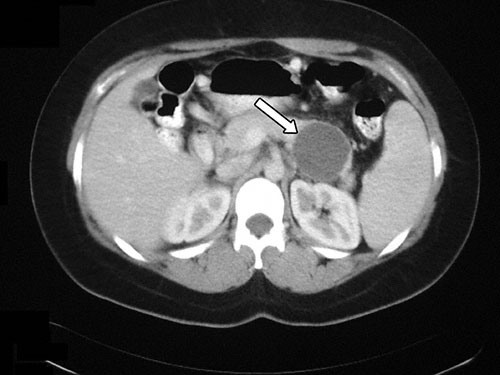
A 46-year-old woman comes to the office because of a 6-week history of upper abdominal discomfort and swelling. Six weeks ago, she underwent cholecystectomy because of severe gallstone pancreatitis that resolved slowly. She takes no medications. She is 168 cm (5 ft 6 in) tall and weighs 66 kg (146 lb); BMI is 24 kg/m2. Vital signs are within normal limits. Cardiopulmonary examination discloses no abnormalities. Abdominal examination shows a subtly palpable, 6-cm, mildly tender mass in the midepigastric region. CT scan of the abdomen is shown; the arrow indicates an abnormality. Which of the following is the most appropriate next step in management?
CorrectIncorrect -
Question 5 of 50
5. Question
A 60-year-old woman is admitted to the hospital because of increasingly severe abdominal pain, bloating, nausea, and persistent emesis. She has recurrent high-grade serous ovarian cancer that has been resistant to several rounds of chemotherapy. Current management is decompression by nasogastric tube and bowel rest. Today, she is accompanied by her son, who is her primary caretaker. CT scan of the abdomen and pelvis shows extensive abdominal carcinomatosis, hepatic and pleural masses, and a partial bowel obstruction. The physician meets with the patient and her son and explains that further surgical management or other cancer therapies are not indicated, and that her life expectancy is less than 6 months. Before out-of-hospital placement can be arranged, the patient sustains a myocardial infarction and requires mechanical ventilation. While in the ICU, she has a stroke and is not expected to recover. In accordance to her wishes, her son decides to allow palliative extubation. He then asks about organ donation. The patient’s electronic health record indicates that she is an organ donor. Which of the following organs is most likely suitable for donation?
CorrectIncorrect -
Question 6 of 50
6. Question
Patient Information
Age: 65 years
Gender: M, self-identified
Race/Ethnicity: White, self-identified
Site of Care: office
History
Reason for Visit/Chief Concern: “I’m having trouble catching my breath.”
History of Present Illness:
• 7-day history of progressively worsening dyspnea and cough
• receiving chemotherapy for Hodgkin lymphoma diagnosed 6 weeks ago
Additional Past Medical History:
• hypertension
Medications:
• hydrochlorothiazide
• doxorubicin
• bleomycin
• vinblastine
• dacarbazine
• ibuprofen prn for occasional headaches
Allergies:
• no known drug allergies
Family History:
• mother: deceased at age 55 years; type 2 diabetes mellitus
• father: deceased at age 62 years; hypertension
Psychosocial History:
• drinks five glasses of wine weekly
• does not smoke cigarettes
Physical Examination
Temp
Pulse
Resp
BP
O2 Sat
Ht
Wt
BMI
37.1°C
82/min
20/min
138/88 mm Hg
94%
180 cm
92 kg
28 kg/m2
(98.8°F)
on RA
(5 ft 11 in)
(202 lb)
• Appearance: alert; well developed
• Skin: warm; dry
• HEENT: PERRLA; pink oral mucosa without lesions
• Pulmonary: bilateral basilar crackles
• Cardiac: regular rhythm; normal S1 and S2; no murmurs, rubs, or gallops
• Abdominal: soft; normoactive bowel sounds; no tenderness or masses to palpation
• Extremities: trace pretibial edema bilaterally
• Neurologic: fully oriented
Diagnostic Studies
Blood
Hematocrit
40%
Hemoglobin
13.0 g/dL
WBC
6500/mm3
Platelet count
155,000/mm3
Arterial blood gas analysis on room air:
Po2
94 mm Hg
Pco2
40 mm Hg
pH
7.4
• pulmonary function tests: restrictive pattern with decreased FVC, TLC, FRC, and DLCO
Question: An adverse effect of which of the following medications is the most likely cause of this patient’s current condition?
CorrectIncorrect -
Question 7 of 50
7. Question
A 16-month-old boy is admitted to the hospital for treatment of a rectal abscess that developed 4 days ago. He underwent incision and drainage of the abscess in the clinic 2 days ago, but the area of redness and induration on his right buttock has persisted. Oral cephalexin therapy was initiated 2 days ago, but he continues to be febrile with temperatures to 38.9°C (102.0°F). He has also lost approximately 0.5 kg (1 lb) during the past 6 weeks. Application of warm compresses to the affected area has not provided improvement. Medical history is remarkable for a left perianal fistula that was surgically removed 6 weeks ago and rectal abscesses 2 and 6 months ago, which were treated with incision and drainage. He receives no additional medications and has no known drug allergies. He eats some solid foods and drinks 22 oz of whole cow milk daily. Vaccinations are up-to-date. He is 75 cm (2 ft 6 in; 2nd percentile) long and weighs 9.2 kg (20 lb; 12th percentile); head circumference is 46 cm (18 in; 25th percentile). Temperature is 38.6°C (101.5°F), pulse is 150/min, respirations are 22/min, and blood pressure is 90/64 mm Hg. Pulse oximetry on room air shows an oxygen saturation of 97%. The patient appears fussy and uncomfortable. Physical examination discloses a 3 × 3-cm area of induration and erythema on the right buttock that is draining pus. The remainder of the physical examination discloses no abnormalities. Current culture results show methicillin-susceptible Staphylococcus aureus. Which of the following studies is most likely to establish the underlying cause of this patient’s symptoms?
CorrectIncorrect -
Question 8 of 50
8. Question
A 20-year-old man comes to the office because of a 2-day history of a clear, odorless discharge from his penis. He has not had pain with urination. He has no history of serious illness. He does not take any medications or use any substances. He had sexual intercourse with a new partner 10 days ago; he did not use condoms. Vital signs are within normal limits. Physical examination shows no lymphadenopathy, edema, genital lesions, or obvious penile discharge. Which of the following is the most appropriate next step in management?
CorrectIncorrect -
Question 9 of 50
9. Question
A 13-year-old boy is brought to the emergency department 30 minutes after he was found unconscious in the desert by hikers. It is estimated that he was lost in the desert for 36 hours without adequate water intake. He has no history of serious illness and receives no medications. Height is at the 50th percentile, weight is at the 50th percentile, and BMI is at the 64th percentile. Temperature is 39.0°C (102.2°F), pulse is 138/min, respirations are 26/min, and blood pressure is 90/62 mm Hg. Pulse oximetry on room air shows an oxygen saturation of 98%. On arrival, he is awake but confused. Physical examination shows decreased skin turgor and dry mucous membranes. Serum sodium concentration is 160 mEq/L. Intravenous administration of which of the following is most appropriate for this patient?
CorrectIncorrect -
Question 10 of 50
10. Question
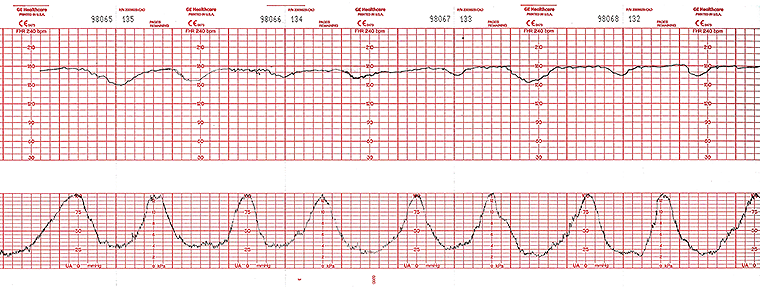
A 22-year-old woman, gravida 2, para 1, at 34 weeks’ gestation is admitted to the hospital 45 minutes after the sudden onset of vaginal bleeding and increasingly frequent episodes of abdominal pain, which has been increasing in severity. She has not had loss of vaginal fluid. She has received routine prenatal care. She has hypertension treated with labetalol. Her only other medication is a prenatal vitamin. Her previous pregnancy was uncomplicated and ended in spontaneous vaginal delivery of a healthy newborn at term. The patient appears uncomfortable. Temperature is 37.0°C (98.6°F), pulse is 110/min and regular, respirations are 16/min, and blood pressure is 150/85 mm Hg. Abdominal examination discloses diffuse tenderness to palpation. On pelvic examination, the uterus is consistent in size with a 30-week gestation. Fetal heart tracing is shown. Which of the following is the most appropriate next step in management?
CorrectIncorrect -
Question 11 of 50
11. Question
A hospitalized 66-year-old man is being evaluated for discharge 2 days after undergoing an uncomplicated left femoral popliteal bypass operation. He has hypertension and hyperlipidemia. His medications are lisinopril, atorvastatin, and aspirin. He has smoked one pack of cigarettes daily for 40 years. He drinks one glass of wine twice weekly. He appears well. He is 178 cm (5 ft 10 in) tall and weighs 95 kg (210 lb); BMI is 35 kg/m2. His temperature is 37.1°C (98.8°F), pulse is 72/min, respirations are 12/min, and blood pressure is 120/78 mm Hg. Examination shows a clean, dry surgical incision over the left lower extremity. Which of the following factors in this patient’s history most strongly indicates an increased risk for disease recurrence?
CorrectIncorrect -
Question 12 of 50
12. Question
Investigators conduct a randomized study of the efficacy of a new medication compared with lisinopril for the treatment of hypertension. The investigators recruit 200 patients aged 30 to 75 years with hypertension. Patients are randomly assigned to receive either the new medication (100 patients) or lisinopril (100 patients) and are observed for 1 year. Patients come to the study clinic biweekly to undergo measurement of blood pressure. After 1 year, 40 patients who received the new medication and 60 patients who received lisinopril are still taking the assigned medication. All study participants undergo biweekly measurement of blood pressure until the completion of the study. Which of the following is the most appropriate method to use for data analysis?
CorrectIncorrect -
Question 13 of 50
13. Question
A 42-year-old woman comes to the office because of a 3-month history of a tingling sensation in the ring and small fingers of her left hand. The sensation initially occurred immediately upon awakening each morning and lasted for several minutes. Two months ago, the tingling sensation became more severe and began to awaken her during the night. She also had the onset of similar symptoms in her left arm and elbow during this time. The sensation now occurs throughout the day. She has no history of serious illness and takes no medications. Vital signs are within normal limits. Muscle strength is 4/5 on abduction and adduction of the left wrist and 4/5 on flexion of the left small finger. Sensation to pinprick is decreased over the medial aspect of the left ring finger and the palmar and dorsal surfaces of the left small finger; a light tap with a reflex hammer over the cubital tunnel produces paresthesias in these areas. Which of the following is the most appropriate initial step in management?
CorrectIncorrect -
Question 14 of 50
14. Question
Patient Information
Age: 19 years
Gender: F, self-identified
Race/Ethnicity: White, self-identified
Site of Care: clinic
History
Reason for Visit/Chief Concern: “I’m still having abdominal problems.”
History of Present Illness:
• 1- to 2-year history of intermittent abdominal bloating
• intermittent nonbloody diarrhea during this time, alternating with normal stools, with no apparent precipitating factors
• 5-kg (11-lb) weight loss during past year
• no fever
• increasing fiber intake per recommendations has not relieved her symptoms
Past Medical History:
• endometriosis; dysfunctional uterine bleeding ceased with hormonal
IUD placement
Medications:
• levonorgestrel IUD
Vaccinations:
• up-to-date on all childhood
• received hepatitis B vaccine series for entry into nursing school
Allergies:
• no known drug allergies
Family History:
• brother: alive with type 1 diabetes mellitus
Psychosocial History:
• does not smoke cigarettes, drink alcoholic beverages, or use other substances
• not sexually active
• began nursing school 6 months ago
Physical Examination
Temp
Pulse
Resp
BP
O2 Sat
Ht
Wt
BMI
36.8°C
68/min
12/min
110/62 mm Hg
99%
162 cm
58 kg
22 kg/m2
(98.2°F)
on RA
(5 ft 4 in)
(128 lb)
• Appearance: no acute distress
• Skin: no jaundice or rashes
• HEENT: no conjunctival icterus or pallor
• Abdominal: mild distention; normoactive bowel sounds; diffuse tenderness to palpation
Diagnostic Studies
Serum
Blood
Na+
140 mEq/L
Hematocrit
35%
K+
4.0 mEq/L
Hemoglobin
12.0 g/dL
Cl−
100 mEq/L
MCV
75 µm3
HCO3−
24 mEq/L
WBC
6800/mm3
Urea nitrogen
10 mg/dL
Platelet count
320,000/mm3
Creatinine
0.9 mg/dL
Glucose, fasting
74 mg/dL
ALT
58 U/L
AST
50 U/L
Bilirubin, total
0.8 mg/dL
Direct
0.2 mg/dL
Question: Which of the following is the most appropriate next step in evaluation?
CorrectIncorrect -
Question 15 of 50
15. Question
A 79-year-old woman comes to the office for a routine examination. She resides in an assisted living facility. She feels well. She expresses concern about resuming sexual activity with a partner since her husband died 18 years ago. She talks about loneliness, fear of pain with vaginal intercourse, and worry that her children may oppose a new person in their lives. She has hypertension well controlled with lisinopril. She does not use tobacco products, drink alcoholic beverages, or use other substances. She plays tennis twice weekly. She is 162 cm (5 ft 4 in) tall and weighs 71 kg (156 lb); BMI is 27 kg/m2. Blood pressure is 136/84 mm Hg. Pelvic examination discloses vulvar skin thinning and no lesions or labial fusion. The physician reassures the patient that she is physically healthy. Which of the following is the most appropriate next step in addressing this patient’s concerns?
CorrectIncorrect -
Question 16 of 50
16. Question
A 22-year-old man is admitted to the intensive care unit following operative repair of injuries he sustained in a motor vehicle collision. The patient underwent a splenectomy, partial hepatectomy, and open fixation of a complex left tibial fracture. The morning after the operation, the patient reports severe pain in his left lower extremity; the pain is more severe than his abdominal postoperative pain. Neurologic examination shows weakness of left foot dorsiflexion and loss of sensation between the left great and second toes. Prompt treatment is necessary to prevent which of the following complications in this patient?
CorrectIncorrect -
Question 17 of 50
17. Question
A 47-year-old man comes to the office because he has coughed up blood five times during the past 2 weeks. During this time, he also has had shortness of breath, temperatures to 38.1°C (100.6°F), and progressive fatigue. He has had a 4.5-kg (10-lb) weight loss during the past 4 months despite no change in appetite. During the past 6 years, he has had chronic nasal congestion and 10 episodes of sinusitis. He does not smoke cigarettes or drink alcohol. He is sexually active and monogamous with his wife. He works as a chemical engineer. His temperature is 37.7°C (99.9°F), pulse is 84/min, respirations are 22/min, and blood pressure is 130/80 mm Hg. Scattered crackles are heard bilaterally. The remainder of the examination shows no abnormalities. Laboratory studies show:
Hematocrit
33%
Leukocyte count
12,000/mm3
Serum
Urea nitrogen
30 mg/dL
Creatinine
2 mg/dL
Urine RBC casts
2/lpf
Results of a sputum culture are negative. Which of the following is the most likely diagnosis?
CorrectIncorrect -
Question 18 of 50
18. Question
A 7-year-old girl is brought to the clinic by her mother because of increasing concerns about the child’s impulsive behavior. The patient was adopted at the age of 6 years after having lived with her parents for 18 months in foster care. The mother says that the patient “has no fear” when interacting with adult strangers and does not seem to understand social boundaries. The patient will walk up to strangers at the store to start talking to them, hug them, or ask them to pick her up and hold her. The mother says she hates taking the patient to the store because the child will wander off “without a care in the world.” The mother is distressed and adds that the patient “could be separated from us for hours and it wouldn’t faze her!” The principal at her school recently reported that at dismissal the patient approached the car of a parent she did not know and asked the driver to give her a ride home. The mother says that the patient’s appetite and sleep have been normal. The patient has no history of serious illness and receives no medications. Prior to foster care placement with her parents, the patient had lived with four different foster families since the age of 2 years. She was removed from her biological mother’s care at the age of 9 months when the biological mother was sent to prison. Initial attempts to place the patient with family members failed because of neglect and abuse allegations. Vital signs are within normal limits. Physical examination discloses no abnormalities. Mental status examination shows a happy mood and full range of affect. There is no evidence of psychosis or suicidal or homicidal ideation. Which of the following is the most likely explanation for this patient’s behavior?
CorrectIncorrect -
Question 19 of 50
19. Question
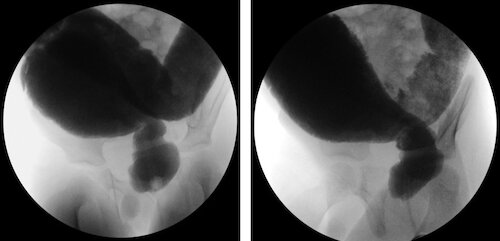
A 4-year-old boy is admitted to the hospital because of a 6-month history of difficulty passing stool. He has no history of serious illness. He receives no medications. Height, weight, and BMI are at the 50th percentile. Vital signs are within normal limits. Physical examination shows a distended, nontender abdomen. Contrast enema imaging is shown. Which of the following is the most appropriate next step in management?
CorrectIncorrect -
Question 20 of 50
20. Question
A 33-year-old woman, gravida 3, para 1, aborta 1, at 27 weeks’ gestation comes to the office for a routine prenatal visit. She feels well and pregnancy has been uncomplicated. She reports good fetal movement. She has no history of serious illness. Medications are an oral prenatal vitamin and oral iron supplementation. The patient has been following a vegan diet since the start of pregnancy. Fundal height is 26 cm. Fetal heart tones are 143/min. Hemoglobin concentration is 11.2 g/dL. Which of the following is the most appropriate next step in management?
CorrectIncorrect -
Question 21 of 50
21. Question
A 33-year-old resident is undergoing his last year of training. Recently, some of his co-residents have become concerned about the frequency of the resident’s partying and drinking excessive amounts of alcohol outside of work. These residents have never noticed him impaired at work. When questioned by one of the co-residents, the resident states he is having stressful life issues. Which of the following is the most appropriate next step by the co-residents?
CorrectIncorrect -
Question 22 of 50
22. Question
A 62-year-old man comes to the office because of a 4-month history of generalized, dull morning headaches. The pain gradually improves within 1 hour of awakening. He also has a 5-year history of fatigue and daytime sleepiness that causes him embarrassment. He lives alone and says he sleeps 9 hours nightly and only awakens once to urinate. He adds that he began exercising less and gaining weight after retiring from his job 2 years ago. He has major depressive disorder treated with sertraline. He is 173 cm (5 ft 8 in) tall and weighs 102 kg (225 lb); BMI is 34 kg/m2. Temperature is 37.0°C (98.6°F), pulse is 76/min, respirations are 16/min, and blood pressure is 126/72 mm Hg. Physical examination shows no papilledema or scalp tenderness. Cardiopulmonary examination discloses no abnormalities. Which of the following is the most appropriate next step in management?
CorrectIncorrect -
Question 23 of 50
23. Question
A 59-year-old man comes to the office 3 months after undergoing placement of a stent following a myocardial infarction. During this time, the patient has been asymptomatic. Medical history also is remarkable for type 2 diabetes mellitus diagnosed 10 years ago. Medications are clopidogrel, metformin, metoprolol, empagliflozin, atorvastatin, and daily aspirin. His most recent hemoglobin A1c obtained 1 week ago was 8.5%. The patient has been adherent to his medication regimen. He has been following a low-fat diet and walks for 45 minutes, three to four times weekly. He is 165 cm (5 ft 5 in) tall and weighs 100 kg (220 lb); BMI is 37 kg/m2. Vital signs are within normal limits. Physical examination discloses no abnormalities. Which of the following is the most appropriate pharmacotherapy to add to this patient’s medication regimen?
CorrectIncorrect -
Question 24 of 50
24. Question
Patient Information
Age: 14 years
Gender: M, self-identified
Race/Ethnicity: unspecified
Site of Care: office
History
Reason for Visit/Chief Concern: “My right ear is swollen and painful.”
History of Present Illness:
• developed pain and swelling of his right ear 3 hours ago after it was hit by his opponent’s elbow in a wrestling match
• no headache or blurry vision
• no hearing loss or ringing in his right ear
Past Medical History:
• no serious illnesses
Medications:
• none
Allergies:
• no known drug allergies
Family History:
• mother and father: alive with no chronic conditions
Psychosocial History:
• uses cannabis socially with his friends
• drinks one to two beers at parties with friends on the weekends
Physical Examination
Temp
Pulse
Resp
BP
Ht
Wt
BMI
36.7°C
80/min
16/min
120/80 mm Hg
165 cm
51 kg
18.7 kg/m2
(98.0°F)
(5 ft 5 in)
(112 lb)
43rd %ile
55th %ile
50th %ile
• Appearance: not in acute distress
• Skin: no bruising or swelling other than of the right ear, no rash
• HEENT: PERRLA, extraocular muscles intact; swelling, erythema, and bruising of the right pinna; normal left pinna
• Pulmonary: clear to auscultation
• Cardiac: regular rhythm, normal S1 and S2 with no murmurs
• Abdominal: nondistended; normoactive bowel sounds; nontender to palpation
• Extremities: full range of motion in all four extremities
• Neurologic: fully oriented with no focal motor or sensory deficits
Question: Which of the following is the most appropriate next step in management?
CorrectIncorrect -
Question 25 of 50
25. Question
A 25-year-old woman comes to the office because of a 2-day history of increased urinary frequency and a burning sensation with urination. She just returned from the Cayman Islands. She has not had fever, nausea, vomiting, or back pain. She has been avoiding drinking fluids, but this has not decreased her urinary frequency. The patient has recently been married and has only had two sexual partners in her lifetime. She is otherwise healthy and her only medication is ibuprofen. She appears uncomfortable. Vital signs are within normal limits. Physical examination shows no abnormalities. Urine culture grows a citrate-negative, indole-positive, gram-negative rod. Analysis of a clean catch urine sample is most likely to show a decrease of which of the following in this patient?
CorrectIncorrect -
Question 26 of 50
26. Question
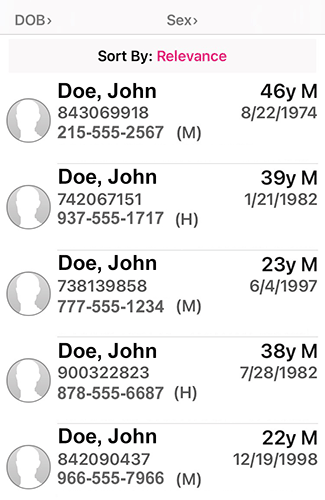
The electronic health record (EHR) system at a primary care practice was recently upgraded so that physicians can update patient charts from their mobile devices. Prior to the EHR upgrade, a physician would receive after-hour calls from clinic patients and make notes on paper by hand. The notes would then be transcribed the next day by an administrative assistant and added to the patient’s chart. Following the EHR upgrade, physicians can search for the patient in the EHR on their mobile device and add notes directly to the EHR. Typically, a clinic physician receives approximately 40 phone calls nightly between 5:00 pm and 7:30 am. A patient named John Doe (date of birth, 7/28/1982) calls multiple times one evening to refill his albuterol prescription. The physician on call orders the medication and documents it in the EHR from her mobile device. The next day, it is discovered that the order has been placed in the EHR of another patient, who has a similar name, as shown. Which of the following interventions is most likely to prevent this type of error from recurring?
CorrectIncorrect -
Question 27 of 50
27. Question
Patient Information
Age: 22 years
Gender: F, self-identified
Race/Ethnicity: White, self-identified
Site of Care: emergency department
History
Reason for Visit/Chief Concern: “I woke up coughing bright red blood.”
History of Present Illness:
• underwent outpatient tonsillectomy 10 days ago
• admitted to hospital for observation after procedure because of excessive bleeding
• returned to operating room on postoperative day 1 to achieve hemostasis
• hematology consultation was obtained prior to discharge; hematologic study results available today
• discharged home on postoperative day 2
Past Medical History:
• recurrent tonsillitis
• menorrhagia managed with hormonal contraception
Medications:
• acetaminophen prn for headaches
• ibuprofen prn for dysmenorrhea
• oral contraceptive
Allergies:
• no known drug allergies
Psychosocial History:
• college student
• does not smoke cigarettes or drink alcoholic beverages
Physical Examination
Temp
Pulse
Resp
BP
O2 Sat
Ht
Wt
BMI
36.8°C
92/min
18/min
102/64 mm Hg
97%
175 cm
90 kg
29 kg/m2
(98.2°F)
on RA
(5 ft 9 in)
(198 lb)
• Appearance: alert; anxious; cooperative; spitting blood and clots into basin
• Skin: no rashes
• HEENT: blood in oropharynx; active bleeding noted from right tonsillar bed; well-healed left tonsillar bed with no active bleeding
• Pulmonary: clear breath sounds
• Cardiac: regular rhythm; no murmurs, rubs, or gallops
• Extremities: warm; dry; well-perfused
Diagnostic Studies
Obtained 9 days ago by hematologist:
Blood
Hematocrit
31%
Hemoglobin
10.9 g/dL
MCV
82 µm3
WBC
12,300/mm3
Neutrophils, segmented
65%
Neutrophils, bands
5%
Lymphocytes
25%
Monocytes
4%
Eosinophils
1%
Platelet count
135,000/mm3
PT
14 seconds
PTT
52 seconds
INR
1.1
Plasma
Fibrinogen
335 mg/dL (N=200–393)
Factor VIII activity
38%
von Willebrand factor antigen
28%
von Willebrand factor:ristocetin cofactor (RCo) assay
24%
von Willebrand factor activity:antigen
0.85
Question: In addition to surgical consultation, which of the following is the most appropriate next step in management?
CorrectIncorrect -
Question 28 of 50
28. Question
A 5-year-old girl is admitted to the hospital for evaluation and treatment of a mediastinal mass that was noted on chest x-ray following a 2-week history of increasing shortness of breath. She has no history of serious illness and receives no medications. She appears anxious and is in moderate respiratory distress. Temperature is 38.0°C (100.4°F), pulse is 110/min, respirations are 28/min, and blood pressure is 120/70 mm Hg. Pulse oximetry on room air shows an oxygen saturation of 95%. Examination shows subcostal and suprasternal retractions. There are multiple, 3 × 3-cm, firm, nontender, anterior cervical lymph nodes bilaterally. Liver span is 10 cm, and the spleen tip is palpated 3 cm below the left costal margin. The remainder of the examination shows no abnormalities. Results of laboratory studies are shown:
Serum
Na+
140 mEq/L
K+
4.5 mEq/L
Cl−
109 mEq/L
HCO3−
22 mEq/L
Urea nitrogen
15 mg/dL (N=5–18)
Creatinine
0.4 mg/dL (N=0.3–0.7)
Blood
Hemoglobin
5.5 g/dL (N=9–15.5)
WBC
1000/mm3 (N=5500–15,500)
Platelet count
90,000/mm3
In addition to appropriate evaluation and treatment of the mass, which of the following is the most appropriate next step to prevent acute renal failure in this patient?
CorrectIncorrect -
Question 29 of 50
29. Question
A 17-year-old boy comes to the surgery clinic with his mother for tonsillectomy evaluation. Medical history is remarkable for recurrent tonsillitis. He does not smoke cigarettes, drink alcoholic beverages, or use other substances. He has no other history of serious illness and takes no medications. The patient is a US Marine. History and physical examination are performed by a surgeon. After a discussion about the benefits and risks of the procedure, the patient agrees to sign the informed consent form. The mother says that under no circumstances would she allow the surgeon to remove her son’s tonsils. Which of the following is the most appropriate next step in management?
CorrectIncorrect -
Question 30 of 50
30. Question
A 59-year-old man comes to the office because of a 3-day history of progressive fever, shortness of breath, nausea, diarrhea, and cough productive of minimal sputum. His symptoms began 4 days after he returned home from a 7-day vacation at a spa resort. He has a history of chronic bronchitis and currently takes no medications. He has smoked one pack of cigarettes daily for 40 years. Temperature is 39.4°C (102.9°F), pulse is 90/min and regular, respirations are 22/min, and blood pressure is 155/85 mm Hg. Pulse oximetry on room air shows an oxygen saturation of 94%. Cardiopulmonary examination discloses diffuse crackles best heard at the lung bases and no murmurs, rubs, or gallops. The abdomen is soft and nontender. Gram stain of sputum shows multiple neutrophils but no bacteria. Result of a rapid polymerase chain reaction test for coronavirus is negative. Which of the following is the most appropriate pharmacotherapy for this patient at this time?
CorrectIncorrect -
Question 31 of 50
31. Question
A 16-year-old girl is brought to the office by her mother because of a 6-month history of increasingly severe lower abdominal cramps that begin 2 days before the start of her menstrual period and last for 4 days. She has missed a total of 10 days of school because of the pain. She otherwise is asymptomatic. Menarche was at the age of 15 years. Menses occur at regular 28-day intervals, last 5 days, and initially occurred without pain. She is not sexually active. She has no history of serious illness and takes no medications. Examination of the abdomen and external genitalia shows no abnormalities. Which of the following is the most appropriate next step in management?
CorrectIncorrect -
Question 32 of 50
32. Question
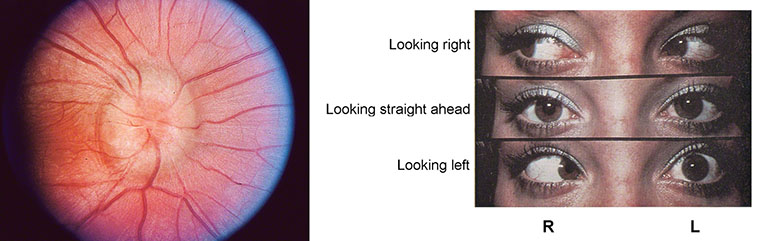
A 28-year-old African American woman comes to the Veterans Affairs urgent treatment center because of a history of migraines that began after she sustained a blast injury from an improvised explosive device in Afghanistan 7 years ago. Until 1 month ago, her migraines had been well controlled for 2 years with nightly prophylactic amitriptyline, and they had occurred no more than twice monthly. When they occurred, they resolved quickly with sumatriptan. Today, the patient reports a 1-month history of daily moderate headaches on awakening that are not relieved by sumatriptan or naproxen. She says these new types of headaches have not been accompanied by sensitivity to light or sound or by the unilateral “pounding” sensation typical of her previous migraines. During the past week, she has had several episodes of momentary blindness and has heard a “whooshing” sound occurring in synchrony with her pulse. During the past 2 days, she has had constant double vision that resolves when she covers one eye. She also reports occasional nausea and vertigo that occur only after she has taken minocycline, which her dermatologist prescribed 2 months ago for acne. She does not smoke cigarettes, drink alcohol, or use other substances. She appears to be in moderate distress. She is 165 cm (5 ft 5 in) tall and weighs 72 kg (158 lb); BMI is 26 kg/m2. Vital signs are within normal limits. Ocular and funduscopic examinations show the findings depicted in the photographs. The remainder of the examination discloses no abnormalities. CT scan of the head was performed prior to performing the lumbar puncture; the findings confirmed no contraindication for lumbar puncture. Cerebrospinal fluid analysis is most likely to show which of the following sets of findings?
Option
Opening Pressure (mm H₂O)
WBC (/mm³)
Differential
RBC (/mm³)
Protein (mg/dL)
A
120
2
100% lymphocytes
0
27
B
120
80
97% lymphocytes, 3% monocytes
0
90
C
310
2
100% lymphocytes
0
27
D
310
80
3% lymphocytes, 97% neutrophils
0
90
E
310
80
97% lymphocytes, 3% monocytes
0
90
CorrectIncorrect -
Question 33 of 50
33. Question
Thirty minutes after undergoing CT scan of the abdomen with intravenous contrast, a 57-year-old woman has the onset of generalized pruritus. She was admitted to the hospital for diverticulitis 2 days ago and has been receiving intravenous ampicillin-sulbactam therapy since then. Her temperature is 37.2°C (99.0°F), pulse is 100/min, respirations are 24/min, and blood pressure is 80/50 mm Hg while supine. Examination shows multiple, 2-cm, erythematous, raised lesions over the trunk and all extremities. Expiratory wheezes are heard bilaterally. Which of the following is the most appropriate initial pharmacotherapy?
CorrectIncorrect -
Question 34 of 50
34. Question
A 47-year-old woman comes to the office for a follow-up evaluation of blood pressure control. At two previous visits during the past 3 months, her blood pressure was 154/94 mm Hg and 160/96 mm Hg, respectively. During the past 3 months, she has been following a low-sodium diet and a regimen of exercise and has limited her alcohol intake. She is 165 cm (5 ft 5 in) tall and weighs 60 kg (132 lb); BMI is 22 kg/m2. Today, her blood pressure is 152/96 mm Hg. Physical examination shows no other abnormalities. ECG and laboratory studies show no abnormalities. In addition to advising the patient to continue her diet and exercise program and monitor her blood pressure at home, which of the following is the most appropriate next step in management?
CorrectIncorrect -
Question 35 of 50
35. Question
A 24-year-old woman comes to the clinic because of a 2-day history of right lower abdominal pain that was sudden in onset. She has not had fever, nausea, vomiting, diarrhea, or constipation. Medical history is remarkable for asthma and occasional headaches. Medications are an oral contraceptive, inhaled albuterol as needed, and ibuprofen as needed for headaches. She lives with her boyfriend of 2 years and works as a research analyst. Menses occur regularly at 28-day intervals; her last menstrual period was 1 week ago. Temperature is 36.7°C (98.0°F), pulse is 80/min, respirations are 20/min, and blood pressure is 120/66 mm Hg. The patient appears anxious. There is a fading ecchymosis over the right cheek. Cardiopulmonary examination discloses no abnormalities. Abdominal examination shows an ecchymosis over the right lower quadrant. Bowel sounds are normoactive. Abdomen is soft with tenderness to palpation in the right lower quadrant; a hematoma is palpated in the area of tenderness. There is bruising of the patient’s inner thighs. Pelvic examination discloses cervical motion tenderness. The patient reluctantly confirms that her injuries were inflicted by her boyfriend and that nonconsensual intercourse occurred. In addition to discussing reporting requirements and safety with the patient and ordering a urine pregnancy test and forensic rape examination, which of the following is most appropriate to offer this patient at this time?
CorrectIncorrect -
Question 36 of 50
36. Question
A 35-year-old woman, gravida 2, para 2, is brought to the emergency department because of a 1-day history of severe headache and photosensitivity, low-grade fever, and neck stiffness. She has not had sore throat, rash, chest or joint pain, shortness of breath, or diarrhea. She has not had any sick contacts. She has no history of serious illness or known allergies. Her only medication is ibuprofen as needed. She does not smoke cigarettes, drink alcoholic beverages, or use tobacco. She lives in a rural area of North Carolina. Two weeks ago, she spent the weekend camping and received multiple tick bites. She does not believe that any of the ticks were attached for more than 24 hours. Temperature is 38.4°C (101.1°F), pulse is 104/min and regular, respirations are 18/min, and blood pressure is 104/74 mm Hg. She appears well nourished and in moderate distress. She is shielding her eyes from light. Examination of the skin shows no rash. There is evidence of tick bites over the right shoulder. Examination of the head shows no evidence of trauma. There is no papilledema. There is mild nuchal rigidity. The remainder of neurologic examination discloses no abnormalities. Cardiopulmonary examination discloses no abnormalities. Results of laboratory studies are shown:
Serum
Na+
131 mEq/L
Creatinine
1.0 mg/dL
Blood
Hematocrit
34%
Hemoglobin
11.2 g/dL
WBC
2300/mm3
Platelet count
100,000/mm3
Which of the following is the most appropriate next step in management?
CorrectIncorrect -
Question 37 of 50
37. Question
A 63-year-old woman comes to the physician for a follow-up examination. Five years ago, she underwent a left mastectomy with adjunctive radiation therapy and chemotherapy for carcinoma of the breast. She is currently asymptomatic. Physical examination shows a well-healed mastectomy scar on the left. The most likely site of metastasis in this patient would be shown by a radionuclide scan of which of the following?
CorrectIncorrect -
Question 38 of 50
38. Question
A 4-year-old boy is brought to the office by his mother for a well-child examination. She is concerned that he is a picky eater because he refuses to eat any green vegetables. He has been toilet-trained during the day for 14 months but continues to wet the bed nightly; his mother uses behavior charts to reward nighttime dryness. The patient awakens from nightmares once or twice weekly. He is able to count to five and use four-word sentences. He has no history of serious illness and receives no medications. Vaccinations are up-to-date. He is at the 50th percentile for height and 40th percentile for weight. Examination discloses no abnormalities. Which of the following is the most likely diagnosis?
CorrectIncorrect -
Question 39 of 50
39. Question
An 18-year-old primigravid woman comes to the emergency department (ED) because of a 1-day history of heavy vaginal bleeding. Her last menstrual period was 15 weeks ago. Menses previously occurred at regular 28-day intervals. Urine pregnancy test result in the ED is positive. She has no history of serious illness and takes no medications. Her father has a history of colon cancer. The patient’s vital signs are within normal limits. Cardiopulmonary examination discloses no abnormalities. Pelvic examination shows normal external female genitalia and a closed cervix; there is no blood in the vaginal vault. Bimanual examination discloses a uterus consistent in size with a 20-week gestation. Pelvic ultrasonography shows a heterogeneous-appearing mass within the cavity with cystic spaces and no fetal parts. Quantitative serum β-hCG concentration is 320,000 mIU/mL. Which of the following is the most appropriate next step in management?
CorrectIncorrect -
Question 40 of 50
40. Question
A 30-year-old man comes to the office because of a 6-month history of chronic thirst and urinary frequency. He has bipolar disorder. Current medications are lithium carbonate and a daily multivitamin. Vital signs are within normal limits. Physical and neurologic examinations show no abnormalities. Laboratory studies are most likely to show which of the following sets of findings in this patient?
Option
Serum Na⁺
Urine Osmolality
A
Increased
Increased
B
Increased
Decreased
C
Decreased
Increased
D
Decreased
Decreased
CorrectIncorrect -
Question 41 of 50
41. Question
A 34-year-old man comes to the physician because of a 3-week history of abdominal pain. He is a diesel mechanic. He has smoked 1½ packs of cigarettes daily for 15 years, drinks two cases of beer weekly, and drinks a large pot of coffee daily. Physical examination shows no abnormalities. He says that he is concerned that he might have pancreatic cancer, as one of his coworkers was recently diagnosed with this condition. Which of the following is this patient’s most significant risk factor for pancreatic cancer?
CorrectIncorrect -
Question 42 of 50
42. Question
An 18-month-old boy is brought to the clinic because of a 1-day history of fever and foul-smelling urine. He had a febrile urinary tract infection 6 months ago. He does not receive any medications. Length is at the 75th percentile, weight is at the 90th percentile, and head circumference is at the 90th percentile. Temperature is 38.7°C (101.7°F), pulse is 98/min, respirations are 20/min, and blood pressure is 96/52 mm Hg. He appears mildly fussy. Physical examination shows no other abnormalities. Urinalysis shows 1+ blood and 3+ leukocyte esterase. Urine culture grows greater than 100,000 CFU/mL Escherichia coli. Kidney ultrasonography shows normal-size kidneys for age with no hydronephrosis, masses, or calculi. Voiding cystourethrography shows contrast in the ureter and renal pelvis without dilation on the right side, the bladder without filling defects, and urethra without dilation. Which of the following is the most likely diagnosis?
CorrectIncorrect -
Question 43 of 50
43. Question
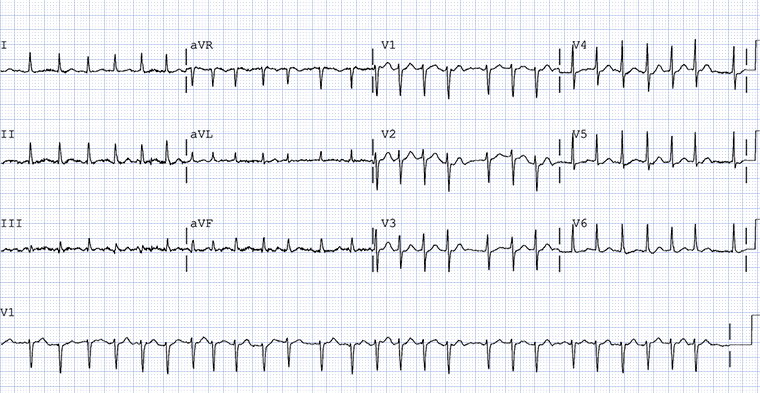
A previously healthy 47-year-old man is brought to the emergency department 45 minutes after the sudden onset of generalized weakness and “fluttering” in his chest. His symptoms began as he was working in a coffee shop. On arrival, he is pale, anxious, and diaphoretic. His pulse is 150/min and irregular, respirations are 22/min, and blood pressure is 100/60 mm Hg. The lungs are clear to auscultation. Cardiac examination discloses irregular tachycardia. The remainder of the examination shows no abnormalities. ECG is shown. Which of the following is the most likely cause of these findings?
CorrectIncorrect -
Question 44 of 50
44. Question
A 45-year-old man has a video telemedicine visit with a physician for a routine examination. He has hypercholesterolemia and says he often feels anxious about work and his family’s finances. He is employed as a business executive and has been working at home since the outbreak of a novel viral illness 9 months ago that resulted in an emergency declaration and stay-at-home orders. When asked how he is coping with the changes in his life, he says, “My wife thinks something is wrong, but I think I’m OK. I can relax when I need to, and I never enjoyed socializing much anyway.” He says he has always worked hard but works “even more now,” which he attributes to the ease of working from home and concerns about the economic future of the company. He adds, “I don’t trust some of my employees to do things the way they should be done.” He describes spending several hours daily organizing files he has brought home from work; he says he feels he cannot stop until “everything is in order” in his home office. The patient says his wife may notice these behaviors more since he started working from home but “I’ve always been like this.” They have had increasingly frequent arguments about his behavior and his unwillingness to spend money on home improvements that his wife wants. He has not had difficulty sleeping. Medications are simvastatin and a multivitamin. Vital signs cannot be obtained. The patient appears fatigued. Limited physical examination discloses no abnormalities. On mental status examination, the patient describes his mood as “anxious”; affect is congruent. Which of the following is the most likely diagnosis?
CorrectIncorrect -
Question 45 of 50
45. Question
A 5-year-old girl is brought to the physician by her mother because of a 3-day history of an increasingly severe rash on her face. Physical examination shows a 6-cm, honey-colored crusting lesion over the right cheek. A Gram stain of the exudate shows gram-positive cocci in chains. This patient is at increased risk for developing which of the following complications?
CorrectIncorrect -
Question 46 of 50
46. Question
A 52-year-old woman is evaluated in an ambulatory surgical center because of rectal bleeding. Two hours ago, she underwent screening colonoscopy; a 1.5-cm pedunculated polyp was removed from the descending colon. She felt well after the procedure but then noticed that she had some bright red blood per rectum. She has not had dizziness or shortness of breath. Vital signs are within normal limits. Rectal examination discloses bright red blood. On repeat colonoscopy, blood is noted to be oozing from the site of the polypectomy. Cautery is applied, and the bleeding stops. Repeat complete blood count shows a stable hemoglobin concentration. When communicating information about this event to the patient, which of the following is the most appropriate initial course of action?
CorrectIncorrect -
Question 47 of 50
47. Question
A 60-year-old man comes to the office for a health maintenance examination. He has a 3-month history of progressive fatigue but otherwise feels well. There is no family history of cancer. The patient has no known occupational exposures and does not smoke cigarettes or drink alcoholic beverages. He is 178 cm (5 ft 10 in) tall and weighs 75 kg (165 lb); BMI is 24 kg/m2. Temperature is 37.0°C (98.6°F), pulse is 75/min, and blood pressure is 130/80 mm Hg. Physical examination shows conjunctival pallor. There is no lymphadenopathy. Cardiopulmonary examination discloses no abnormalities. Abdominal examination shows hepatosplenomegaly. Results of blood laboratory studies are shown:
Hematocrit
30%
Hemoglobin
10 g/dL
WBC
40,000/mm3
Neutrophils, segmented
27%
Lymphocytes
73%
Platelet count
150,000/mm3
Which of the following is the most appropriate next step in diagnosis?
CorrectIncorrect -
Question 48 of 50
48. Question
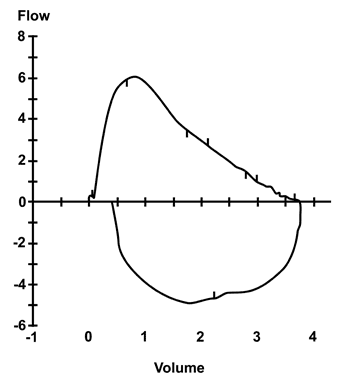
A 15-year-old boy is brought to the emergency department because of a 2-day history of moderate chest pain. He also has a cough that began 1 week ago when he was diagnosed with mycoplasma pneumonia. The cough is worse at night and has not improved with azithromycin therapy. He adds that, since he was diagnosed, when he plays basketball, he begins coughing, his chest feels tight, and he feels unable to breathe. His temperature is 37°C (98.6°F), pulse is 74/min, respirations are 18/min, and blood pressure is 110/68 mm Hg. Pulse oximetry on room air shows an oxygen saturation of 98%. Examination shows no abnormalities. Pulmonary function testing shows:
FEV1
78% of predicted
FVC
96% of predicted
FEV1:FVC ratio
79%
Forced expiratory flow25%–75%
66% of predicted
The flow volume loop is shown. Which of the following best describes this patient’s airway mechanics?
CorrectIncorrect -
Question 49 of 50
49. Question
A previously healthy 5-year-old girl is brought to the physician by her parents because they are concerned about her height. Records show that her growth had proceeded at a normal velocity, along the 50th percentile for age. During the past year, she has grown only 1 cm (0.5 in) but has continued to gain weight. She has a good appetite and eats a variety of foods. She frequently has constipation and says she often feels cold. She has not had fever, vision problems, headache, nausea, diarrhea, or change in urination. She is now at the 3rd percentile for height and 75th percentile for weight. Her temperature is 37°C (98.6°F), pulse is 65/min, respirations are 20/min, and blood pressure is 80/60 mm Hg. The skin is cool and dry. The neck is supple, and there is no lymphadenopathy. The thyroid gland is symmetric and normal in size. Cardiopulmonary examination shows no abnormalities. Patellar and Achilles tendon reflexes are 2+ bilaterally with a slow return phase. The remainder of the examination shows no abnormalities. A complete blood count and urinalysis show no abnormalities. Serum studies show a free thyroxine concentration of 0.2 ng/dL (N=0.8–2.2) and thyroid-stimulating hormone concentration of 150 mIU/L (N=0.7–6.4). Which of the following is the most likely explanation for this patient’s findings?
CorrectIncorrect -
Question 50 of 50
50. Question
A 55-year-old woman comes to the office because she is concerned about her risk for developing Alzheimer disease. She has no history of serious illness and takes no medications. Her father had moderate dementia, Alzheimer type, and died at the age of 88 years of viral pneumonia. Her paternal aunt had severe dementia, Alzheimer type, and died at the age of 80 years. The patient drinks two to three glasses of wine weekly. She works as a successful writer. She is not married, has no close family, and worries that there will be no one to take care of her if she develops dementia. Vital signs are within normal limits. Physical examination shows no abnormalities. Cognitive testing shows no evidence of impairment. Which of the following is the most appropriate next step in management?
CorrectIncorrect