
CK- UWSA 1- Block 2
Quiz Summary
0 of 40 Questions completed
Questions:
Information
You have already completed the quiz before. Hence you can not start it again.
Quiz is loading…
You must sign in or sign up to start the quiz.
You must first complete the following:
Results
Results
0 of 40 Questions answered correctly
Your time:
Time has elapsed
You have reached 0 of 0 point(s), (0)
Earned Point(s): 0 of 0, (0)
0 Essay(s) Pending (Possible Point(s): 0)
| Average score |
|
| Your score |
|
Categories
- Not categorized 0%
- Step 1 UWSA 1 – Block 2 0%
| Pos. | Name | Entered on | Points | Result |
|---|---|---|---|---|
| Table is loading | ||||
| No data available | ||||
- 1
- 2
- 3
- 4
- 5
- 6
- 7
- 8
- 9
- 10
- 11
- 12
- 13
- 14
- 15
- 16
- 17
- 18
- 19
- 20
- 21
- 22
- 23
- 24
- 25
- 26
- 27
- 28
- 29
- 30
- 31
- 32
- 33
- 34
- 35
- 36
- 37
- 38
- 39
- 40
- Current
- Review
- Answered
- Correct
- Incorrect
-
Question 1 of 40
1. Question
A 70-year-old resident of a nursing home is brought to the emergency department due to increased lethargy and decreased oral intake for one day. According to the paramedics, he had an episode of vomiting last night and a mild cough and shortness of breath earlier today. The patient’s medical history includes diabetes mellitus type 2, benign prostatic hyperplasia, and Parkinson disease with cognitive impairment. Temperature is 38.9 C (102 F), blood pressure is 70/60 mm Hg, and pulse is 120/min. On examination, extremities are warm to the touch and there are bronchial breath sounds over the right lung base. The abdomen is soft, nontender, and nondistended. Fingerstick blood glucose is 154 mg/dL and arterial blood gas findings on room air are as follows:
pH
7.24
PaCO2
30 mm Hg
PaO2
85 mm Hg
Which of the following best explains this patient’s arterial blood gas findings?
CorrectIncorrect -
Question 2 of 40
2. Question
A 38-year-old man comes to the emergency department due to increased fatigue over the last week. Recently, he has become easily short of breath while walking, and he often develops a choking sensation shortly after falling asleep in a supine position. His past medical history is insignificant except for an upper respiratory tract infection 2 weeks ago. He has not had any chest pain, palpitations, or loss of consciousness. His blood pressure is 110/70 mm Hg and pulse is 100/min. Physical examination reveals bibasilar crackles in his lungs with pitting edema in both lower extremities. On palpation of his precordium, the point of maximum impulse is felt in the sixth intercostal space along the anterior axillary line. Which of the following is most likely to be found in this patient?
CorrectIncorrect -
Question 3 of 40
3. Question
A 36-year-old man comes to the office due to bilateral skin lesions over the knees and elbows for the past several years. The patient says the lesions have enlarged progressively, which he attributes to excessive kneeling in his work as a plumber. The lesions are not painful but he has had occasional itching. The patient has used several moisturizers, which provided only temporary relief. He has no other medical problems and takes no medications. He smokes a pack of cigarettes a day and drinks 1 or 2 cans of beer daily. Temperature is 37 C (98.7 F), blood pressure is 130/86 mm Hg, and pulse is 74/min. Skin examination findings of his knees are shown below.
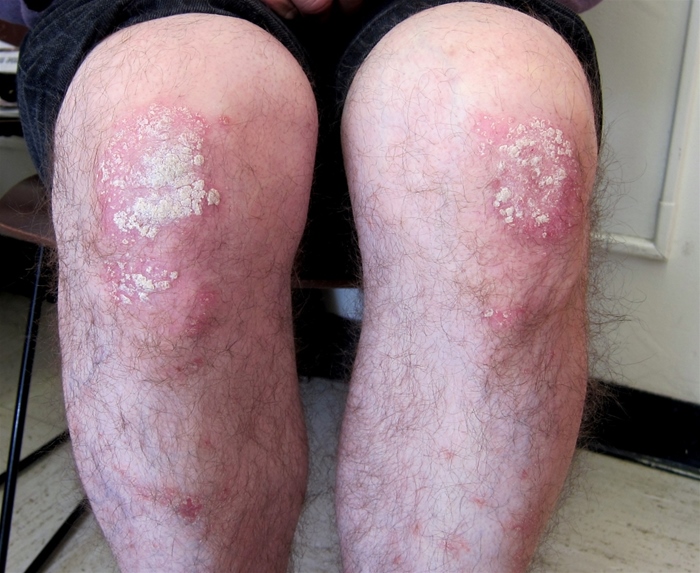
Which of the following is the most likely cause of this patient’s skin lesions?
CorrectIncorrect -
Question 4 of 40
4. Question
A 64-year-old man is brought to the office by his wife because she has noticed yellowish discoloration of his eyes and skin for the past 3 months. He has not had any nausea or vomiting, but has noted decreased appetite and abdominal discomfort recently. Temperature is 37.1 C (98.8 F), blood pressure is 150/90 mm Hg, pulse is 90/min, and respirations are 16/min. BMI is 18 kg/m2. Physical examination reveals an underweight white male in no acute distress. There is some fullness in the right upper abdominal quadrant. Laboratory findings are the following:
Total bilirubin
12.5 mg/dL
Asparatate aminotransferase
95 U/L
Alanine aminotransferase
65 U/L
Alkaline phosphatase
350 U/L
Blood urea nitrogen
14 mg/dL
Creatinine
1.2 mg/dL
Which of the following is the most likely primary site for this patient’s pathology?
CorrectIncorrect -
Question 5 of 40
5. Question
A 17-year-old girl is brought to the emergency department by her older sister who found the patient writhing on the floor with severe abdominal pain. Since then, the patient has had several episodes of coffee-ground emesis and 2 episodes of dark green diarrhea. She has major depressive disorder and was hospitalized a month ago for a suicide attempt. The patient also has anemia and chronic back pain from a motor vehicle collision a year ago. She is sexually active and uses condoms inconsistently. Her last menstrual period was 3 weeks ago. Temperature is 37 C (98.6 F), blood pressure is 80/50 mm Hg, pulse is 120/min, and respirations are 28/min. On physical examination, she is lethargic and appears uncomfortable. There are multiple healing linear scars along the left forearm. Capillary refill is 5 seconds. The abdomen is soft but diffusely tender to palpation. Which of the following is the most likely diagnosis in this patient
CorrectIncorrect -
Question 6 of 40
6. Question
A 64-year-old woman comes to the office due to 8 weeks of increasing back pain. Her pain is no longer relieved with over-the-counter analgesics. She also reports intermittent fever and night sweats but no chills. The patient has end-stage renal disease due to chronic glomerulonephritis and has been on continuous ambulatory peritoneal dialysis for 2 years. She smoked cigarettes for 30 years but quit 18 years ago. Temperature is 38.4 C (101.1 F), blood pressure is 130/86 mm Hg, pulse is 96/min, and respirations are 14/min. Pulse oximetry is 94%. BMI is 19 kg/m2. There is no scleral icterus. Pulmonary examination reveals scattered crackles over the left mid-upper lung. Marked tenderness is noted over the L3 and L4 vertebral areas. Laboratory results are as follows:
Complete blood count
Hemoglobin
8.2 g/dL
Mean corpuscular volume
86 µm3
Platelets
425,000/mm3
Leukocytes
6,800/mm3
Immunologic studies
Erythrocyte sedimentation rate
110 mm/hr
Chest imaging reveals a cavitary infiltrate in the left upper lung. Imaging of the spine shows collapse of the L3 and L4 vertebral bodies. Which of the following is the most likely diagnosis in this patient?
CorrectIncorrect -
Question 7 of 40
7. Question
A 69-year-old man comes to the emergency department due to 2 episodes of dizziness over the past week. The patient has had no chest pain or shortness of breath, but he reports losing 5 kg (11 lb) over the past 2 months. Other medical conditions include mild cognitive impairment and osteoarthritis of his right knee. The patient eats plenty of vegetables and fruit and takes a multivitamin daily. His appetite has been stable recently. The patient is a former smoker and does not use alcohol or illicit drugs. He lives with his wife and is independent in his activities of daily living. Temperature is 37.1 C (98.8 F), blood pressure is 170/90 mm Hg, and pulse is 142/min and irregularly irregular. On examination, he has flat neck veins while sitting and the lungs are clear to auscultation. There is no peripheral edema. Which of the following is the best initial test for this patient?
CorrectIncorrect -
Question 8 of 40
8. Question
A 42-year-old woman comes to the office due to right knee pain for the past 3 days. She was carrying a heavy backpack on a muddy trail when she tripped, twisting her knee. The patient immediately felt sharp pain in the knee but was able to continue hiking. The next morning, she had swelling at the knee and significant medial knee pain with stairs and squatting. The patient is able to fully extend the knee but has a sensation when she walks that the knee is catching, and the pain prevents her from doing her normal daily activities. Medical history is notable for mild obesity, chronic anxiety, and recurrent carpal tunnel syndrome. She does not take any medications and does not use tobacco, alcohol, or illicit drugs. Which of the following is most likely to be found on examination of this patient’s knee?
CorrectIncorrect -
Question 9 of 40
9. Question
A 63-year-old man is hospitalized after he had a single generalized tonic-clonic seizure. An MRI of his brain reveals a mass in the right frontal lobe, and a subsequent biopsy of the mass is consistent with an astrocytoma. Which of the following tumor characteristics is the best predictor of this patient’s prognosis?
CorrectIncorrect -
Question 10 of 40
10. Question
A 67-year-old man comes to the office concerned about several swollen lymph nodes in his axilla. The lymph nodes are nonpainful but have been present >3 weeks. He has had no recent fevers, chills, or weight loss. The patient is an investment banker and is careful with his health, noting that he exercises daily and eats organic foods when possible. He does not use tobacco, alcohol, or illicit drugs. He has been married to his wife for 45 years. Temperature is 36.9 C (98.2 F), blood pressure is 156/92 mm Hg, and pulse is 68/min. He is fit and well nourished. There are several enlarged, nontender, mobile lymph nodes in his bilateral cervical and axillary chains. Chest examination is normal. With deep exhalation, a spleen tip is palpable under the left lower ribs. Laboratory results are as follows:
Complete blood count
Hemoglobin
8.5 g/dL
Mean corpuscular volume
89 µm3
Platelets
90,000/mm3
Leukocytes
56,800/mm3
Neutrophils
8%
Lymphocytes
88%
Monocytes
4%
Serum chemistry
Blood urea nitrogen
12 mg/dL
Creatinine
1.1 mg/dL
This patient would benefit most from therapy directed against which of the following?
CorrectIncorrect -
Question 11 of 40
11. Question
A 39-year-old man is brought to the emergency department due to right arm weakness and difficulty walking since this morning. According to his wife, the patient has not felt well for the past 2 weeks and has noted fatigue, joint pains, and feeling “out of sorts.” He has a history of untreated hepatitis C infection. Temperature is 38 C (100.5 F), blood pressure is 120/65 mm Hg, and pulse is 105/min and regular. On funduscopic examination, several small areas of hemorrhage are seen bilaterally. Skin examination is unremarkable. There is decreased muscle strength in the right upper and lower extremities along with hyperreflexia. Which of the following would be most helpful in establishing the diagnosis?
CorrectIncorrect -
Question 12 of 40
12. Question
A 64-year-old man who is being treated for community-acquired pneumonia develops watery diarrhea. He has been having 7-8 bowel movements daily. He now feels weak and nauseated, and has had 1 episode of vomiting over the last 12 hours. His temperature is 37.8 C (100.4 F), blood pressure is 100/60 mm Hg, and pulse is 95/min. Physical examination reveals dry mucous membranes, poor skin turgor, and crackles at the right lung base. His abdomen is soft without tenderness. There is no peripheral edema. His laboratory findings are as follows:
Serum sodium
122 mEq/L
Serum potassium
3.1 mEq/L
Chloride
100 mEq/L
Bicarbonate
18 mEq/L
Blood urea nitrogen (BUN)
56 mg/dL
Serum creatinine
1.6 mg/dL
Blood glucose
90 mg/dL
Urine sodium
8 mEq/L
Which of the following is the most likely cause of this patient’s hyponatremia?
CorrectIncorrect -
Question 13 of 40
13. Question
A 7-year-old girl with sickle cell disease is brought to the emergency department due to 2 days of decreased appetite and sleepiness. She refused to get out of bed this morning. The patient had an episode of acute chest syndrome 2 years ago that required hospitalization and exchange transfusion. She has no dyspnea, extremity pain, or headache. Temperature is 39.4 C (103 F), blood pressure is 70/30 mm Hg, pulse is 150/min, and respirations are 22/min. The patient is asleep initially but arouses and responds to questions appropriately. There is no nuchal rigidity. Chest is clear to auscultation, and the abdomen is soft and nontender. Passive movements of the extremities are painless. Scattered petechiae are seen on both legs. Which of the following is the most likely cause for this patient’s presentation?
CorrectIncorrect -
Question 14 of 40
14. Question
A 35-year-old woman comes to the office for a routine physical examination. The patient reports occasional palpitations but has no other chronic medical conditions. She has a fractured right upper molar tooth and is due to have an extraction next week. She has no significant medical history but has been told that she has “a murmur.” The patient’s only medication is a daily oral contraceptive. She has a sedentary lifestyle and reports no dyspnea on routine activity. She developed hives following use of trimethoprim-sulfamethoxazole. The patient does not use tobacco, alcohol, or illicit drugs. Blood pressure is 120/70 mm Hg and pulse is 70/min. Physical examination shows no jugular venous distension in the upright position. Normal breath sounds are heard on chest auscultation. A late systolic murmur heard over the apex prolongs with the Valsalva maneuver. There is no lower extremity edema, and dorsalis pedis and radial pulses are easily palpable. Which of the following is recommended for this patient prior to the dental procedure?
CorrectIncorrect -
Question 15 of 40
15. Question
At a local laboratory, the normal reference range for serum free T4 levels is 5-12 µg/dL. Free T4 levels are measured in 2 patient samples, one from a population of healthy patients without thyroid disease and one from a population of patients with hyperthyroidism. If the laboratory increases the upper limit of normal serum free T4 levels to 13 µg/dL, how would the sensitivity and specificity of free T4 level measurements for detecting hyperthyroidism in the samples change?
Option
Sensitivity
Specificity
A
↑
↑
B
↑
↓
C
↑
No change
D
↓
↑
E
↓
↓
F
↓
No change
G
No change
↑
H
No change
↓
I
No change
No change
CorrectIncorrect -
Question 16 of 40
16. Question
A 20-year-old man is brought to the hospital due to severe agitation. He has a diagnosis of schizophrenia and severe intellectual disability. He is totally dependent on his mother for activities of daily living. The patient has been experiencing auditory hallucinations, which he claims are the voices of his neighbors saying that he is “going to hurt little children.” On admission, he is uncooperative and physically combative. Blood pressure is 140/90 mm Hg and pulse is 100/min. The patient requires 3 doses of haloperidol in the emergency department. Later that day, he appears less agitated but has muscle stiffness. His head and neck are turned to the left side, and he has difficulty straightening his neck. Which of the following is the best treatment for this patient’s current condition?
CorrectIncorrect -
Question 17 of 40
17. Question
A 56-year-old woman comes to the office with abdominal discomfort, frequent bloating, and urinary urgency. She has been treated for presumed urinary tract infections twice in the last month, but her symptoms have not resolved. Her last menstrual period was at age 51. The patient has a history of asthma and has been using albuterol more frequently due to mild dyspnea. Her appendix was removed at age 16; she has had no other surgeries. She does not use tobacco, alcohol, or illicit drugs. Blood pressure is 144/92 mm Hg and pulse is 86/min. BMI is 31 kg/m2. Pelvic examination reveals right-sided adnexal fullness and firm nodularity along the rectovaginal septum. Laboratory results are as follows:
Hemoglobin
11.1 mg/dL
Platelets
225,000/mm3
Blood urea nitrogen
21 mg/dL
Creatinine
1.2 mg/dL
Chest x-ray reveals a small pleural effusion on the right. Which of the following is the most likely diagnosis in this patient?
CorrectIncorrect -
Question 18 of 40
18. Question
A 65-year-old woman comes to the emergency department with 24 hours of abdominal pain, nausea, and 2 episodes of vomiting. She describes her pain as “coming in waves.” The patient has never had similar symptoms, and her current medical issues include atrial fibrillation, nonischemic cardiomyopathy, hypertension, and type 2 diabetes mellitus. She underwent an abdominal hysterectomy for endometrial hyperplasia 15 years ago and takes multiple medications, including some over-the-counter products. Temperature is 37.2 C (99 F), blood pressure is 139/88 mm Hg, pulse is 98/min, and respiratory rate is 16/min. Lungs are clear to auscultation and percussion. The abdomen is distended, tympanic, and moderately tender. There is no rigidity or rebound, and bowel sounds are active. Abdominal x-ray is shown below.
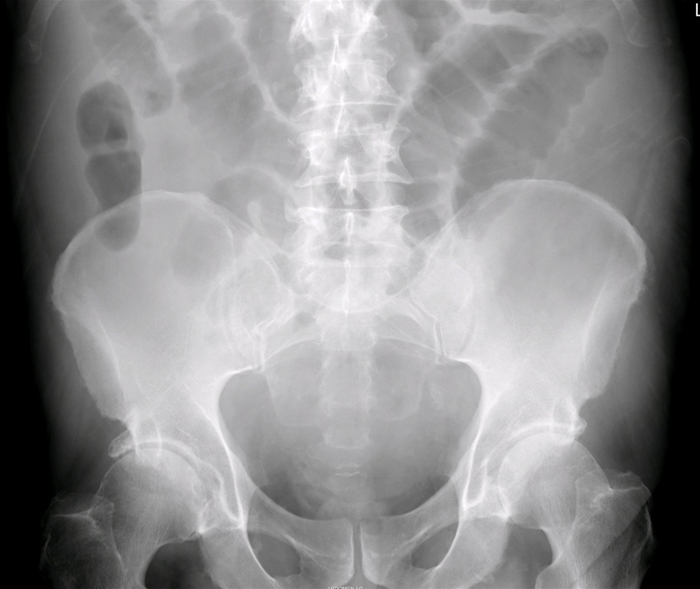
This patient’s condition is most strongly associated with which of the following?
CorrectIncorrect -
Question 19 of 40
19. Question
A 63-year-old man comes to the office due to shortness of breath on exertion over the last 6 months. The patient describes his symptoms as progressive, causing him to decrease his outside activities recently. He has no dyspnea at rest. During evaluation, Doppler flow tracings across his aortic and mitral valves are acquired from an apical window. The patient’s ECG and flow velocity tracings are presented above normal tracings in the exhibit below.
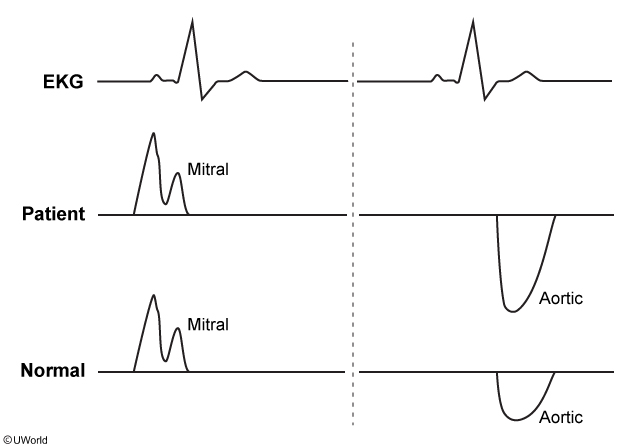
This patient most likely suffers from which of the following?
CorrectIncorrect -
Question 20 of 40
20. Question
A 42-year-old woman comes to the emergency department due to severe epigastric pain for the past 3 hours. The pain is constant and deep and radiates to her back. She also has nausea and has had 3 episodes of vomiting since the pain started. The patient has a history of hyperlipidemia and takes simvastatin. She drinks 1 or 2 glasses of wine on social occasions but does not use tobacco or recreational drugs. Temperature is 38.2 C (100.8 F), blood pressure is 140/90 mm Hg, and pulse is 110/min. BMI is 31 kg/m2. Abdominal examination shows voluntary guarding and tenderness. There is no rebound tenderness and bowel sounds are normal. Laboratory results are as follows.
Leukocytes
14,000/mm3
Liver function studies
Total bilirubin
1.0 mg/dL
Alkaline phosphatase
90 U/L
Aspartate aminotransferase
37 U/L
Alanine aminotransferase
79 U/L
Serum lipase
normal
Which of the following is the most likely cause of this patient’s abdominal pain?
CorrectIncorrect -
Question 21 of 40
21. Question
A 26-year-old nulligravid woman comes to the office for evaluation of infertility. She and her partner have had intercourse 4 or 5 times a week for the past year in an attempt to become pregnant. The patient’s periods have always been irregular, averaging 2 every 6 months, with heavy menstrual bleeding. The last menstrual period was 6 weeks ago and lasted 7 days. She has no headache, visual abnormalities, or nipple discharge. The patient also reports excess body hair that requires frequent shaving or waxing. She has no other medical conditions and has never had any surgery. The patient takes no medications except a multivitamin and does not use tobacco, alcohol, or illicit drugs. She has no history of sexually transmitted infections. The patient’s father has type 2 diabetes mellitus. BMI is 33 kg/m2. Blood pressure is 130/80 mm Hg and pulse is 80/min. Physical examination shows thick hair over the upper lip and oily skin. The abdomen is soft and nontender, with no masses. Pelvic examination reveals a normal uterus and no adnexal masses. There is no clitoromegaly. Pubic hair and breast development is Tanner stage 5. Urine pregnancy test is negative. Serum chemistries, TSH, and prolactin levels are normal. The partner’s semen analysis is normal. Which of the following is the best next step to improve this patient’s chance of conception?
CorrectIncorrect -
Question 22 of 40
22. Question
A 56-year-old woman comes to the office due to dizziness for the past several days. The patient has had recurrent episodes of an intense spinning sensation, which spontaneously resolve within a minute. She works at a day care center. The first time it happened, the patient was singing and dancing with the children. The next few times, it occurred when she was passing out art supplies. The patient has to grab for something to stabilize herself until the episode stops. Medical history is significant for hypertension and a remote history of migraine. She takes no medications. The patient smoked a pack per day of cigarettes for 10 years when she was in her 20s. Blood pressure is 138/86 mm Hg and pulse is 76/min. Physical examination shows normal pupillary reflexes, no facial asymmetry, and normal extremity strength and sensation. Bilateral ear examination and hearing are normal. Which of the following would be most helpful in management of this patient’s current symptoms?
CorrectIncorrect -
Question 23 of 40
23. Question
A 34-year-old man is brought to the emergency department after he fell while hiking in the woods. An x-ray of his right arm is shown in the image below:
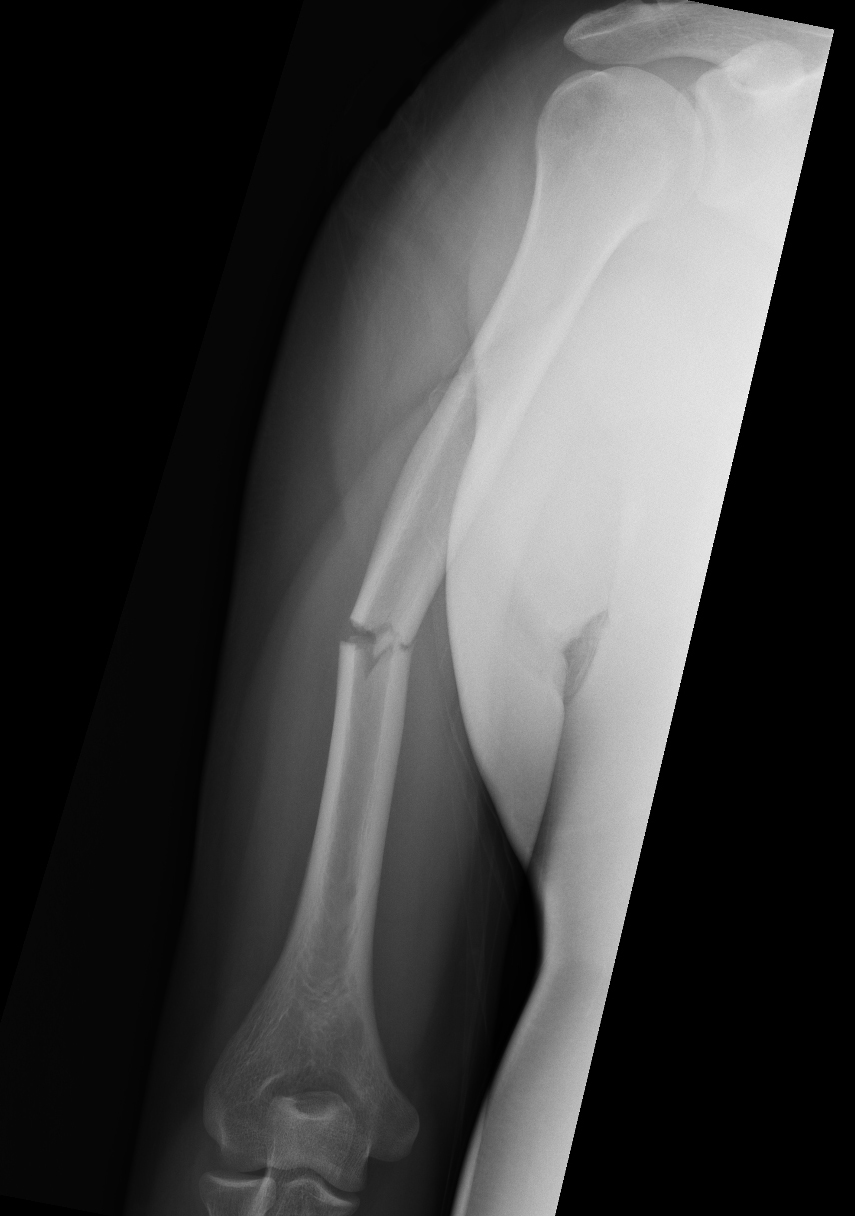
Which of the following structures is at highest risk of being injured in this patient?
CorrectIncorrect -
Question 24 of 40
24. Question
A 63-year-old man comes to the office due to severe itching that interferes with his sleep. He has also noted yellow discoloration of his eyes and recently his skin. His appetite is decreased lately and he has lost 6.8 kg (15 lb) over the past 3 months. His stools are pale. The patient has a history of type 2 diabetes and hypertension. He has smoked a pack of cigarettes daily for the past 30 years and drinks occasionally. Vital signs are within normal limits. Examination shows marked jaundice. Abdominal CT scan shows a mass in the head of the pancreas and multiple liver lesions suspicious for metastasis. Biopsy of the pancreatic lesion shows adenocarcinoma. He is diagnosed with nonresectable metastatic pancreatic cancer. His current total bilirubin level is 15.4 mg/dL. Which of the following would be most effective for palliative symptom control in this patient?
CorrectIncorrect -
Question 25 of 40
25. Question
A 65-year-old woman comes to the office due to progressive dyspnea on exertion and dry cough over the last 3 months. The patient has difficulty sleeping flat and has lost 4.5 kg (10 lb) during this period. She has not had chest pain. Her medical history includes hypothyroidism, hypertension, type 2 diabetes, hyperlipidemia, and coronary artery disease. She underwent coronary artery bypass grafting surgery 6 years ago. Three years ago, she had a left mastectomy for breast cancer followed by radiation and chemotherapy. Her temperature is 37 C (98.6 F), blood pressure is 110/80 mm Hg, pulse is 90/min, and respirations are 22/min. On examination, there is no jugular venous distension or lymphadenopathy. There is dullness to percussion and decreased breath sounds over the left lung base, but the rest of the pulmonary examination is normal. The abdomen is soft and nontender without organomegaly. There is no peripheral edema. Chest x-ray reveals a large left pleural effusion. Which of the following is the most likely diagnosis in this patient?
CorrectIncorrect -
Question 26 of 40
26. Question
A 3-year-old African American boy is brought to the emergency department with severe lower extremity pain that started 3 hours ago. He points to his lower back and thighs when asked where the pain is worst. He had cough and congestion last week, during which time his oral intake was decreased. Temperature is 37.2 C (99 F), blood pressure is 110/70 mm Hg, and pulse is 140/min. There is prominent tenderness with any palpation of the thighs. No erythema, tenderness, or warmth of the hips or knees is present. Strength is intact throughout the lower extremities. Laboratory results are as follows:
Hemoglobin
8.5 g/dL
Mean corpuscular volume
85 fL
Leukocytes
15,500/mm3
Platelets
390,000/mm3
Total bilirubin
2.1 mg/dL
Direct bilirubin
0.2 mg/dL
Lactate dehydrogenase
700 U/L
Which of the following is the most likely cause of this patient’s back pain?
CorrectIncorrect -
Question 27 of 40
27. Question
A 76-year-old man comes to the office due to increased fatigue over the past 2 months. His exercise tolerance has also decreased. The patient has had no chest pain, nausea, vomiting, dizziness, or syncope. Other medical conditions include hypertension and hyperlipidemia. Blood pressure is 124/79 mm Hg. On examination, the lungs are clear to auscultation and a short midsystolic murmur is heard over the right upper sternal border. ECG is shown in the exhibit. Which of the following is the best initial pharmacotherapy for this patient?
 CorrectIncorrect
 -
Question 28 of 40
28. Question
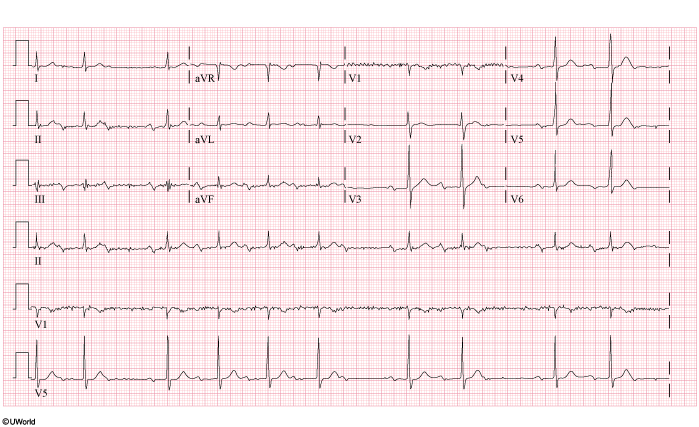
A 72-year-old man comes to the clinic after noticing an irregular heartbeat for the past several weeks. He has had no chest pain, shortness of breath, lightheadedness, or syncope. Medical history includes hypertension and mild aortic stenosis. Blood pressure is 138/80 mm Hg and pulse is 70/min. ECG is shown in the exhibit. Which of the following is the most likely diagnosis?
 CorrectIncorrect
 -
Question 29 of 40
29. Question
A 14-year-old boy is brought to the office due to fatigue when playing basketball. The patient finds it difficult to play for a long time and to compete with his peers. He has had no shortness of breath, chest pain, or palpitations. His medical history is insignificant, and he received all childhood vaccinations. Academically, he is in the top 20% of his class. On physical examination, the patient has a soft mid-systolic murmur best heard at the left upper sternal border. He also has wide splitting of the second heart sound that does not change with respiration. The rest of the physical examination is unremarkable. Which of the following is the most likely cause of the observed findings?
CorrectIncorrect -
Question 30 of 40
30. Question
A 5-year-old girl is brought to the office due to a 3-day history of diarrhea and abdominal cramps. She has a history of failure to thrive and recurrent respiratory infections requiring frequent hospitalizations. The patient has been taking antibiotics for 2 weeks to treat bacterial sinusitis and was feeling well until 3 days ago when she started having watery diarrhea. She has 6-8 episodes of diarrhea a day with no blood or mucus in the stool. Temperature is 38.3 C (100.9 F) and pulse is 145/min. Mucous membranes are dry. Lung auscultation reveals bilateral crackles. The abdomen is soft with moderate diffuse tenderness. Bowel sounds are active. Laboratory results are as follows:
Leukocytes
24,000/mm3
Hemoglobin
9.5 g/dL
Platelets
340,000/mm3
A stool smear shows numerous white blood cells. Which of the following is the most likely pathophysiology of this patient’s diarrhea?
CorrectIncorrect -
Question 31 of 40
31. Question
A 71-year-old man is being evaluated due to impaired cognition and memory loss. Approximately a year ago, the patient began having difficulty balancing his checkbook and preparing meals. About 5 months ago, he could not remember the names of his grandchildren. Around that time, the patient became unsteady on his feet and fell while walking to the bathroom. Afterward, the use of a cane was required. During the past month, the patient has begun isolating himself from family and has appeared sadder than usual. He has type 2 diabetes mellitus, hypertension, and high cholesterol. Which of the following is the most likely finding associated with this patient’s symptoms?
CorrectIncorrect -
Question 32 of 40
32. Question
A 67-year-old man is brought to the emergency department due to dizziness and generalized weakness over the last 24 hours. Two months ago, he was diagnosed with locally invasive bladder cancer and had bilateral nephrostomy tubes placed to relieve ureteral obstruction. The patient recently completed 2 cycles of chemotherapy complicated by nausea with poor oral intake. He is scheduled to have a cystectomy in the near future. He has no other medical issues. Temperature is 37.8 C (100 F), blood pressure is 72/49 mm Hg, pulse is 125/min, and respirations are 22/min. The neck is supple with no jugular venous distension. Chest auscultation reveals vesicular breath sounds and normal cardiac sounds. The abdomen is soft, nontender, and nondistended. Neurologic examination shows no focal abnormalities. Extremities are warm to the touch with bounding pulses. Laboratory results are as follows:
Complete blood count
Hemoglobin
9.8 g/dL
Platelets
80,000/mm3
Leukocytes
2,400/mm3
Serum chemistry
Sodium
134 mEq/L
Potassium
5.0 mEq/L
Bicarbonate
18 mEq/L
Blood urea nitrogen
30 mg/dL
Creatinine
2.9 mg/dL
Liver function studies
Total protein
5.5 g/dL
Albumin
2.8 g/dL
The patient is given 3 L of normal saline and broad-spectrum antibiotics. Three hours later, mean arterial blood pressure is 50 mm Hg and pulse is 120/min. Which of the following is the best next step in management of this patient?
CorrectIncorrect -
Question 33 of 40
33. Question
A group of pediatric cardiologists conducted a case-control study of childhood stroke risk associated with congenital heart disease (CHD). A random sample of children age <20 with ischemic and hemorrhagic strokes were selected from children enrolled in an integrated health care plan. Facility-matched stroke-free controls (3 per case) were also selected. Researchers determined exposure to CHD (diagnosed before stroke) and calculated odds ratios to analyze risk factors for stroke. An excerpt of study results is shown below.
Stroke
No stroke
n = 300
3 per case, n = 900
CHD
No CHD
CHD
No CHD
n = 13
n = 287
n = 3
n = 897
CHD = congenital heart disease.
Which of the following is closest to the odds ratio of CHD in children who had a stroke compared with children who have not had a stroke?
CorrectIncorrect -
Question 34 of 40
34. Question
A 63-year-old man comes to the office due to progressive fatigue over the last 6 months. The patient feels “exhausted” by the end of the day and has lost 4.5 kg (10 lb). He was hospitalized with pneumonia 7 months ago and notes that “everything deteriorated” thereafter. He has no fevers, chills, abdominal pain, or urinary symptoms. Medical history is significant for hypertension treated with lisinopril. He is a lifetime nonsmoker but drinks alcohol socially. Blood pressure is 146/92 mm Hg and pulse is 80/min. The patient is obese. Mucous membranes are pale. Abdominal examination is normal, but rectal examination shows a mildly enlarged, nontender prostate. Laboratory results are as follows:
Complete blood count
Hemoglobin
9.2 g/dL
Mean corpuscular volume
86 µm3
Platelets
150,000/mm3
Leukocytes
9,200/mm3
Serum chemistry
Sodium
137 mEq/L
Potassium
3.9 mEq/L
Chloride
102 mEq/L
Bicarbonate
24 mEq/L
Calcium
11.8 mg/dL
Blood urea nitrogen
30 mg/dL
Creatinine
2.2 mg/dL
Urinalysis shows no proteinuria or hematuria. Which of the following is the most likely cause of this patient’s kidney injury?
CorrectIncorrect -
Question 35 of 40
35. Question
A 6-year-old boy is brought to the office by his parents due to difficulties at school. The teacher is concerned that the patient has poor social and verbal skills. He has difficulty making friends with classmates and avoids eye contact with the teacher. The patient also has trouble transitioning between activities and is disruptive in the classroom. He will not stay in his seat, and when redirected he throws temper tantrums or starts biting his hand. His parents have also noticed that he is anxious and often flaps his arms and misbehaves in new situations that make him uncomfortable. The patient spoke his first word at around age 18 months and began walking at age 2 years. He continues to require speech therapy for poor articulation and disorganized sentence structure. The patient has been tracking along the 50th percentile for height and weight. Further testing in this patient is most likely to identify which of the following?
CorrectIncorrect -
Question 36 of 40
36. Question
A 63-year-old woman is brought to the emergency department by her daughter who found the patient wandering through the house the past 2 nights in search of the bathroom. The patient’s medical history is significant for hypertension and hyperlipidemia, for which she takes lisinopril and atorvastatin. She drinks 1-2 glasses of wine daily and does not use illicit drugs. On examination, the patient is well-groomed and cooperative. Temperature is 36.6 C (97.9 F), blood pressure is 140/90 mm Hg, and heart rate is 85/min. The mucous membranes are moist, the lungs are clear, and the abdomen is soft and nontender. There is no peripheral edema. Laboratory results show leukocytes of 13,000/mm3 and hemoglobin of 12.2 g/dL. Her electrolytes and kidney function tests are normal. Urinalysis shows a white blood cell count of 100/hpf and high leukocyte esterase. The patient is admitted to the hospital and becomes severely agitated overnight. She repeatedly attempts to leave her room, claiming she is “being kept as a prisoner and is late for her flight to Florida.” She strikes a nurse attempting to take her blood pressure and repeatedly tries to pull out her intravenous line. Which of the following is the most appropriate next step in management of this patient?
CorrectIncorrect -
Question 37 of 40
37. Question
The following vignette applies to the next 2 items. The items in the set must be answered in sequential order. Once you click Proceed to Next Item, you will not be able to add or change an answer.
A 21-year-old college student is brought to the emergency department by his roommates, who say that he is not acting like himself. The patient has no known medical history or physical symptoms. Over the past month, he has insisted that he is being watched or followed. Last week, he was asked to leave a campus party due to a fight with a fellow student over whether the partygoer was following him. Although the patient is usually a conscientious student, he recently stopped attending classes and said that a professor was putting thoughts in his head and tracking his movements. Temperature is 37.2 C (99 F), blood pressure is 148/88 mm Hg, and pulse is 108/min. On examination, the patient appears nervous and guarded. He refuses to answer questions, saying, “I can’t talk about that.” The patient repeatedly and quickly glances over his shoulder toward the door. During the examination, he abruptly stands and shouts, “I have to go now!” The physician attempts to calm the patient and reassure him that the hospital staff is trying to help. He pushes the physician aside, attempts to flee the emergency department, and is restrained by 2 security guards. He kicks the walls and screams at the guards as he is escorted back to his room.
Item 1 of 2
Which of the following is the most appropriate course of action?CorrectIncorrect -
Question 38 of 40
38. Question
Item 2 of 2
The patient is calmer after receiving ziprasidone but is still reluctant to answer questions. Physical restraints are removed, and he allows vital signs and physical examination. Temperature is 37.2 C (99 F), blood pressure is 130/80 mm Hg, and pulse is 104/min. Physical examination shows no abnormalities. ECG reveals sinus tachycardia, and the QTc interval is 505 ms. When the nurse requests a urine sample, the patient throws the cup on the ground. He shouts, “My personal liberties are being violated,” and attempts to kick the nurse. Which of the following is the best next step in management of this patient?CorrectIncorrect -
Question 39 of 40
39. Question
The response options for the next 2 items are the same. Select one answer for each item in the set.
Item 1 of 2
A 73-year-old woman is hospitalized following an acute anterior wall myocardial infarction. On day 3 of her hospitalization, she develops shortness of breath and chest discomfort. Blood pressure is 80/40 mm Hg and pulse is 120/min. On physical examination, there are crackles at bilateral lung bases and a holosystolic murmur at the left sternal border. Cardiac catheterization findings are given below:
Oxygen saturation, arterial
90%
Oxygen saturation, superior vena cava
64%
Oxygen saturation, right atrium
65%
Oxygen saturation, right ventricle
79%
Oxygen saturation, pulmonary artery
80%
Cardiac output
2.5 L/min (normal: 4-8 L/min)
Right atrial pressure
12 mm Hg (normal: 1-6 mm Hg)
Right ventricular pressure
45/11 mm Hg (normal: 15-30/1-6 mm Hg)
Pulmonary artery pressure
47/17 mm Hg (normal: 15-30/6-12 mm Hg)
Pulmonary capillary wedge pressure
20 mm Hg (normal: 6-12 mm Hg)
Which of the following is the most likely diagnosis?
CorrectIncorrect -
Question 40 of 40
40. Question
Item 2 of 2
A 74-year-old nursing home resident is hospitalized with altered mental status and poor oral intake. On day 3 of her hospitalization, she develops shortness of breath and chest discomfort. Blood pressure is 78/40 mm Hg and pulse is 125/min. On physical examination, the lungs are clear, but a soft holosystolic murmur is heard at the left sternal border. Cardiac catheterization findings are given below:
Oxygen saturation, arterial
82%
Oxygen saturation, superior vena cava
60%
Oxygen saturation, right atrium
62%
Oxygen saturation, right ventricle
62%
Oxygen saturation, pulmonary artery
61%
Cardiac output
2.4 L/min (normal: 4-8 L/min)
Right atrial pressure
13 mm Hg (normal: 1-6 mm Hg)
Right ventricular pressure
52/12 mm Hg (normal: 15-30/1-6 mm Hg)
Pulmonary artery pressure
54/16 mm Hg (normal: 15-30/6-12 mm Hg)
Pulmonary capillary wedge pressure
6 mm Hg (normal: 6-12 mm Hg)
Which of the following is the most likely diagnosis?
CorrectIncorrect