
CK- NBME 11 – Block 1 (Duplicate 1)
Time limit: 0
Quiz Summary
0 of 20 Questions completed
Questions:
Information
You have already completed the quiz before. Hence you can not start it again.
Quiz is loading…
You must sign in or sign up to start the quiz.
You must first complete the following:
Results
Quiz complete. Results are being recorded.
Results
0 of 20 Questions answered correctly
Your time:
Time has elapsed
You have reached 0 of 0 point(s), (0)
Earned Point(s): 0 of 0, (0)
0 Essay(s) Pending (Possible Point(s): 0)
| Average score |
|
| Your score |
|
Categories
- Not categorized 0%
Would you like to submit your quiz result to the leaderboard?
![captcha]()
Loading
- 1
- 2
- 3
- 4
- 5
- 6
- 7
- 8
- 9
- 10
- 11
- 12
- 13
- 14
- 15
- 16
- 17
- 18
- 19
- 20
- Current
- Review
- Answered
- Correct
- Incorrect
-
Question 1 of 20
1. Question
A 57-year-old woman is brought to the emergency department by paramedics 15 minutes after she was found unresponsive on a park bench. She was examined in the same emergency department 2 weeks ago because of a 2-month history of episodic unilateral throbbing headaches that typically occurred on the right side of the head but intermittently occurred on the left. Examination at that time showed no abnormalities. She was diagnosed with migraine, received an intramuscular injection of ketorolac, and discharged with instructions to schedule a follow-up examination with her primary care physician. Review of her medical records from that examination shows a 6-month history of chronic back pain, 15-year history of hypertension and type 2 diabetes mellitus, and 40-year history of post-traumatic complex partial seizures. Her other medications are oxycodone, lisinopril, metformin, and carbamazepine. On arrival, she is obtunded. Her pulse is 78/min, respirations are 6/min, and blood pressure is 160/92 mm Hg. On examination, the pupils are 1 mm and minimally reactive to light. There are intermittent, symmetrical, semipurposeful movements of all extremities. Deep tendon reflexes are 1+. Babinski sign is absent bilaterally. On ice-water caloric testing, the eyes move toward the ear in which the water is placed. Which of the following is the most likely cause of this patient’s decreased level of consciousness?
CorrectIncorrect -
Question 2 of 20
2. Question
A 51 -year-old man, hospitalized for management of a proximal jejunal enterocutaneous fistula, has a 2-day history of fever and malaise. Four weeks ago, he underwent laparotomy for a gunshot wound to the abdomen; the fistula was noted 1 week after the operation. Since undergoing the laparotomy, he has received total parenteral nutrition through a left subclavian central catheter. During the past 2 weeks, he has participated in physical therapy; until today, he was able to ambulate 300 ft and walk up two flights of stairs without shortness of breath. He has no other history of serious illness. His medications are somatostatin and morphine. His temperature is 38.4°C (101.1 °F), pulse is 105/min, respirations are 20/min, and blood pressure is 110/60 mm Hg. Pulse oximetry on room air shows an oxygen saturation of 96%. Examination shows the fistula opening with draining enteric contents. An ostomy pouching system is placed, and the surrounding skin is well protected. Fistula output is 400 mL daily. Three days ago, his leukocyte count was 8000/mm3; today, it is 14,000/mm3. Serum studies today show an albumin concentration of 2.7 g/dL and prealbumin concentration of 19 mg/dL (N=19.5-35.8). Which of the following is the most appropriate next step in management?
CorrectIncorrect -
Question 3 of 20
3. Question
A study is conducted to investigate the attitude of patients with type 2 diabetes mellitus toward controlling their disease with lifestyle modifications, including diet and exercise. A total of 20 men and women aged 55 to 70 years are randomly selected from an outpatient diabetes clinic and are enrolled in the study. The male-to-female ratio among the patients is 1:1, and they are matched by age and BMI. Patients are assigned to groups led by a moderator who uses a standard set of scenarios to prompt discussion. The discussions are video recorded and reviewed to examine the patterns of the patients’ attitudes toward lifestyle modification in order to improve control of their disease. Which of the following best describes this study design?
CorrectIncorrect -
Question 4 of 20
4. Question
A 42-year-old man is brought to the emergency department by ambulance 20 minutes after sustaining a stab wound to his right anterior chest. On arrival, the patient is uncooperative, refusing to lie flat on the gurney. Medical history is unremarkable, and he takes no medications. He says he drank six 12-oz beers and used cocaine today. Vital signs are pulse 130/min, respirations 28/min, and blood pressure 66/40 mm Hg. Pulse oximetry on room air shows an oxygen saturation of 99%. The patient appears anxious. Physical examination discloses a single stab wound in the medial right anterior chest, 3 cm below the right nipple. The trachea is midline. Breath sounds are present bilaterally. Cardiac examination discloses distant but normal S1 and S2. Abdominal examination discloses no abnormalities. Which of the following is the most appropriate next step in management?
CorrectIncorrect -
Question 5 of 20
5. Question
A 37-year-old man comes to the clinic at the urging of his dentist 1 day after he was noted to have a blood pressure of 175/97 mm Hg following a dental extraction. The patient’s blood pressure was normal prior to the procedure. The patient reports pain at the site of extraction but does not have headache, change in vision, chest pain, or shortness of breath. Medical history is unremarkable, and he takes no medications. His father has hypertension and sustained a myocardial infarction at age 45 years. The patient has smoked one pack of cigarettes daily for 15 years. He drinks alcoholic beverages socially but does not use illicit drugs. He is 185 cm (6 ft 1 in) tall and weighs 79 kg (175 lb); BMI is 23 kg/m2. Blood pressure now is 133/74 mm Hg; remaining vital signs are normal. Physical examination discloses no abnormalities. Which of the following is the most appropriate next step in evaluation?
CorrectIncorrect -
Question 6 of 20
6. Question
A 3-day-old male newborn is evaluated in the hospital nursery because of a 2-hour history of episodes of vomiting green material. He was well prior to the onset of these episodes. He was born at 41 weeks’ gestation following an uncomplicated pregnancy and cesarean delivery because of failure to progress. He appears listless. He is 50 cm (19.7 in; 50th percentile) long and weighs 3628 g (8 lb; 50th percentile). His temperature is 36.7°C (98.0°F), pulse is 170/min, respirations are 50/min, and blood pressure is 70/40 mm Hg. Pulse oximetry on room air shows an oxygen saturation of 98%. Capillary refill time is 2 seconds. The abdomen is nondistended, and the patient cries when it is palpated. The remainder of the examination discloses no abnormalities. Which of the following is most likely to establish the diagnosis?
CorrectIncorrect -
Question 7 of 20
7. Question
A 66-year-old man comes to the office because of a 2-month history of right knee pain. He reports that the pain occurs for 5 to 10 minutes when he gets up in the morning, or after he walks for several blocks. He says his knee has not “given way” or “locked up.” Acetaminophen has not provided relief of the pain. He reports no recent trauma to the knee but fell on it after tripping over a step 1 year ago. Medical history also is remarkable for hypertension and hyperlipidemia. Medications are lisinopril and atorvastatin. He is 173 cm (5 ft 8 in) tall and weighs 63 kg (140 lb); BMI is 21 kg/m2. Blood pressure is 136/82 mm Hg. Examination of the lower extremities discloses normal flexion in both knees but decreased hyperextension in the right knee compared with the left knee. There is moderate medial joint line tenderness and a mild effusion of the right knee. Which of the following is the most appropriate recommendation at this time?
CorrectIncorrect -
Question 8 of 20
8. Question
A 23-year-old man who is a US Army veteran comes to the clinic because of a 2-month history of depressed mood; difficulty concentrating; decreased appetite; and decreased interest in his usual activities, such as exercising and spending time with friends. He also has had difficulty sleeping during this period, including being unable to fall asleep for 2 hours and then waking up “for no reason” in the middle of the night; he does not feel rested in the morning. He says that he sometimes thinks he would be better off dead, but he does not have any plans to harm himself. Physical examination shows no abnormalities. He asks for treatment with a medication that will not interfere with his sexual function. Which of the following medications is most appropriate for this patient at this time?
CorrectIncorrect -
Question 9 of 20
9. Question
A 23-year-old woman comes to the office because of a 1-week history of moderate abdominal cramps and bloody diarrhea. She has no history of serious illness and takes no medications. There is no family history of gastrointestinal disease. The patient has not traveled recently or had sick contacts. Temperature is 37.2°C (99.0°F). While lying flat, pulse is 110/min and blood pressure is 100/70 mm Hg; while standing, pulse is 120/min and blood pressure is 90/60 mm Hg. The abdomen is mildly distended and soft; there is mild, diffuse tenderness to palpation. Hematocrit is 36%, and leukocyte count is 13,000/mm3. Intravenous fluid therapy is begun. Stool culture results are negative. Colonoscopy shows inflamed mucosa and erythematous and raised mucosa over the rectum and sigmoid. The remainder of the colon appears normal. Colonic biopsy specimen shows crypt branching and abscesses. Which of the following is the most appropriate next step in pharmacotherapy?
CorrectIncorrect -
Question 10 of 20
10. Question
A 21-year-old woman comes to student health services because of a 36-hour history of fever, sore throat, and headache. Two weeks ago, she was treated with a 5-day course of ibuprofen for muscle pain, fatigue, and malaise thought to be associated with a virus. She has no history of serious illness. Her only current medication is an oral contraceptive. Temperature is 38.3°C (101.0°F), pulse is 84/min, respirations are 12/min, and blood pressure is 115/75 mm Hg. Examination shows edema of the pharynx and tonsils. Multiple firm, mobile, tender lymph nodes are palpated in the cervical chain bilaterally. Cardiopulmonary examination shows no abnormalities. There is no abdominal tenderness. The spleen tip is palpated 5 cm below the left costal margin. Her leukocyte count is 14,000/mm3 (40% segmented neutrophils, 3% eosinophils, 55% lymphocytes, and 2% monocytes). Monospot test is positive. The patient lives in a college dormitory. Use of which of the following measures by the patient is most likely to prevent transmission of her illness?
CorrectIncorrect -
Question 11 of 20
11. Question
An 11-year-old boy is brought to the emergency department 40 minutes after he was found slumped over in an alley. He appears somewhat disheveled and dirty. He is groggy and somewhat confused but smiling. He is unable to give coherent answers to most questions, and his speech is slurred. His pulse is 124/min, respirations are 10/min, and blood pressure is 100/62 mm Hg while supine and 82/48 mm Hg while sitting. Pupils are 5 mm and reactive to light. There is occasional nystagmus on lateral gaze. He falls asleep in the examining room. Intoxication with which of the following is the most likely cause of this patient’s condition?
CorrectIncorrect -
Question 12 of 20
12. Question
A previously healthy 4-month-old boy is brought to the physician because of a 2-day history of fever and episodes of vomiting and crying. His temperature is 39.1°C (102.4°F), pulse is 142/min, respirations are 28/min, and blood pressure is 88/54 mm Hg. He is fussy but consolable. Examination shows an uncircumcised penis. The remainder of the examination shows no abnormalities. Laboratory studies show:
Hematocrit: 35%
Leukocyte count: 19,500/mm³
Platelet count: 250,000/mm³
Urine:
RBC: 10/hpf
WBC: 30/hpf
Urine culture grows greater than 100,000 colonies/mL of Escherichia coli. Blood culture is negative. Renal ultrasonography shows no abnormalities. Voiding cystourethrography shows a backflow of urine from the bladder to the renal pelvis. Which of the following is the most appropriate intervention to prevent future morbidity from this condition?
CorrectIncorrect -
Question 13 of 20
13. Question
A 14-year-old girl is brought to the physician because of a generalized itchy rash for 4 days. During this period, she has also had abdominal cramps, joint pain, and fever; she has not had double vision. She received an intramuscular injection of botulism antitoxin 10 days ago because of an outbreak of botulism at a restaurant where she had eaten. Immunizations are up-to-date. She appears mildly ill. Her temperature is 38.2°C (100.8°F). Examination shows mild facial edema. There are scattered, edematous, soft nodules over the trunk and extremities. Abdominal examination shows tenderness to palpation without rebound. Active and passive range of motion of the wrists, knees, and ankles is limited by pain. Which of the following is the most likely diagnosis?
CorrectIncorrect -
Question 14 of 20
14. Question
A 25-year-old man comes to the physician for an examination prior to starting an exercise program consisting of swimming four times weekly. He feels well but wants to change his sedentary lifestyle. He has smoked one-half pack of cigarettes daily for 9 years. His father had a myocardial infarction at the age of 52 years. The patient is 178 cm (5 ft 10 in) tall and weighs 109 kg (240 lb); BMI is 34 kg/m2. His pulse is 76/min, and blood pressure is 138/76 mm Hg. The remainder of the examination and an ECG show no other abnormalities. In addition to obtaining serum lipid studies and recommending that the patient stop smoking, which of the following is the most appropriate next step in management?
CorrectIncorrect -
Question 15 of 20
15. Question
A 32-year-old woman comes to an emergency department in New England because of a 5-day history of fever. She has not had any other symptoms. She has no history of serious illness and takes no medications. She has been sexually active with one male partner for 5 years, and they use condoms consistently. She has a healthy 2-year-old son. She immigrated to the USA from Kenya 6 weeks ago. She appears ill. Her temperature is 38.9°C (102°F), pulse is 90/min, and blood pressure is 110/70 mm Hg. The remainder of the examination shows no abnormalities. Her hematocrit is 29%, leukocyte count is 6000/mm3 (88% segmented neutrophils, 10% lymphocytes, and 2% monocytes), and serum lactate dehydrogenase activity is 450 U/L. Which of the following is the most likely causal organism?
CorrectIncorrect -
Question 16 of 20
16. Question
A 42-year-old woman, gravida 2, para 2, comes to the physician because of a 10-month history of severe menstrual cramps and increased menstrual flow. Menses occur at regular 30- to 32-day intervals and last 4 to 6 days. She has severe cramps and heavy flow for the first 4 days of menses. She previously had heavy flow only for the first 2 days of menses. She has not had passage of clots or breakthrough bleeding. She has no history of serious illness. Her temperature is 37°C (98.6°F), pulse is 84/min, respirations are 18/min, and blood pressure is 130/80 mm Hg. Physical examination shows no abnormalities. Pelvic examination shows a smooth, globular-shaped, mobile uterus consistent in size with a 10-week gestation; there is mild tenderness to palpation with no contour abnormalities. Examination shows no adnexal tenderness or masses. Pelvic ultrasonography, including sonohysterography, shows diffuse uterine enlargement and a normal endometrial cavity. Which of the following is the most likely cause of this patient’s menstrual symptoms?
CorrectIncorrect -
Question 17 of 20
17. Question
A study is conducted to assess the efficacy of a new medication to relieve pain. A total of 1000 patients with pain are enrolled and randomly assigned to receive either the new drug or the standard care. Results show that the new drug is more effective than the standard care, but 2.4% of patients receiving the new drug developed new-onset hypertension, compared with 1.6% of patients receiving the standard care. Based on these results, which of the following is the number needed to harm with the new drug to cause new-onset hypertension in one patient?
CorrectIncorrect -
Question 18 of 20
18. Question
A 42-year-old woman comes to the physician because of a 4-week history of progressive generalized weakness and urinary frequency. She says that she needs to stop and rest halfway up the stairs in her home and that she also has difficulty carrying grocery bags. She has no history of serious illness and takes no medications. Her younger sister and brother have hypertension. Her pulse is 88/min, respirations are 18/min, and blood pressure is 174/102 mm Hg. Funduscopic examination shows mild arteriovenous nicking. Muscle strength is 5/5 throughout, and reflexes are normal. Serum studies show:
Na⁺: 143 mEq/L
K⁺: 3.0 mEq/L
Cl⁻: 102 mEq/L
HCO₃⁻: 30 mEq/L
Which of the following additional serum findings are most likely in this patient?
Option
Aldosterone Concentration
Renin Activity
A
Decreased
Decreased
B
Decreased
Increased
C
Decreased
Normal
D
Increased
Decreased
E
Increased
Increased
F
Normal
Decreased
G
Normal
Increased
CorrectIncorrect -
Question 19 of 20
19. Question
A previously healthy 16-year-old girl is admitted to the hospital because of a 4-day history of fever, malaise, headache, and abdominal pain. She was present at the site of a suspected bioterrorism attack 14 days ago. Her temperature is 40°C (104°F), pulse is 96/min, respirations are 16/min, and blood pressure is 110/70 mm Hg. After 1 day of supportive therapy, her fever subsides, but there are vesicular lesions at the same stage of development primarily over the mouth, face, and extremities with limited distribution across the trunk. Immunization of the patient’s contacts with which of the following is most likely to prevent the spread of this illness?
CorrectIncorrect -
Question 20 of 20
20. Question
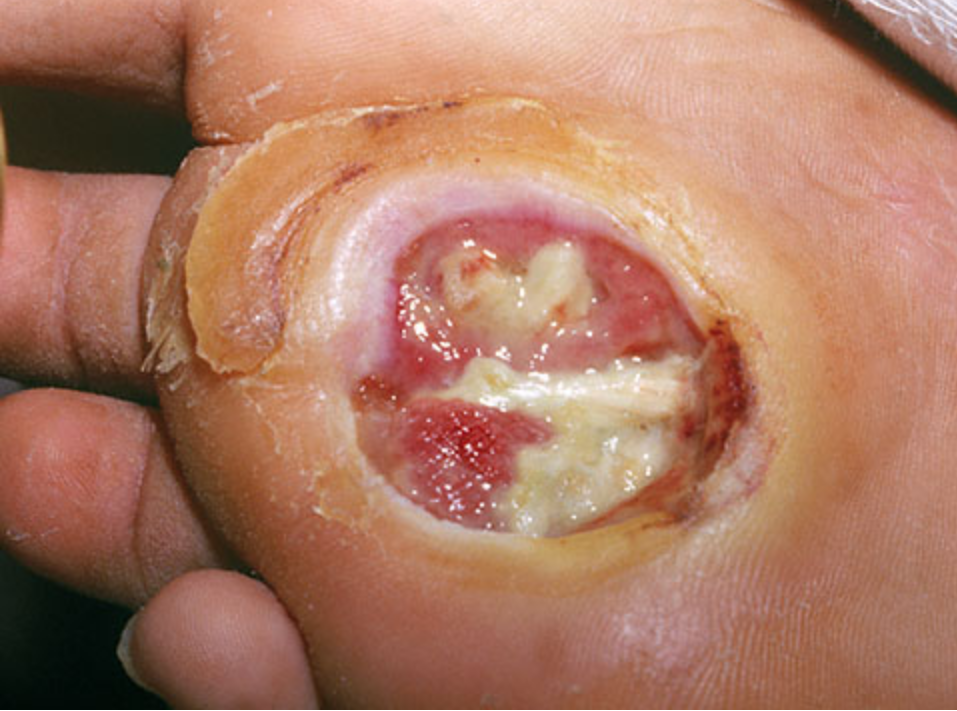
A 47-year-old man comes to the emergency department 12 hours after the onset of severe shortness of breath, dizziness, and generalized weakness. He has type 2 diabetes mellitus treated with metformin and insulin. He has had 19 visits to the emergency department during the past 3 years because of poor blood glucose control. He has smoked two packs of cigarettes daily for 30 years. His temperature is 38.6°C (101.4°F), pulse is 110/min, respirations are 34/min, and blood pressure is 90/70 mm Hg. A photograph of Arterial blood gas analysis on room air shows:
Hemoglobin: 11.5 g/dL
Hematocrit: 35%
Leukocyte count: 26,000/mm³
Serum:
Na⁺: 132 mEq/L
K⁺: 5.4 mEq/L
Cl⁻: 95 mEq/L
HCO₃⁻: 13 mEq/L
Urea nitrogen: 29 mg/dL
Glucose: 733 mg/dL
Creatinine: 1.6 mg/dL
Arterial blood gas:
pH: 7.22
PCO₂: 21 mm Hg
PO₂: 98 mm Hg
Intravenous fluids, antibiotics, and insulin are administered. Which of the following is the most appropriate next step in diagnosis?
CorrectIncorrect