A 52-year-old man comes to the physician because of a 2-week history of mild abdominal cramps and diarrhea containing blood and mucus. During this time, he also has had fecal urgency and mild pain with bowel movements. He is otherwise asymptomatic. He has hypothyroidism treated with levothyroxine. Vital signs are within normal limits. The abdomen is nondistended and nontender; there are no masses, and bowel sounds are normal. Test of the stool for occult blood is positive. Results of stool culture and testing of the stool for Clostridium difficile, ova, and parasites are negative. Colonoscopy shows 30 cm of continuously friable, erythematous rectal and sigmoid mucosa; no polyps or masses are noted. Which of the following is the most appropriate next step in management?
Correct
Incorrect
Question 2 of 50
2. Question
A 32-year-old woman comes to the physician for a routine health maintenance examination. She had used a diaphragm for contraception for 10 years but switched to a combination oral contraceptive 6 months ago. She is 168 cm (5 ft 6 in) tall and weighs 70 kg (154 lb); BMI is 25 kg/m2. Her blood pressure has averaged 144/92 mm Hg on three visits during the past 3 months. Her pulse is 84/min, respirations are 18/min, and blood pressure now is 145/90 mm Hg. Examination shows no other abnormalities. Which of the following is the most appropriate next step in management?
Correct
Incorrect
Question 3 of 50
3. Question
A 16-year-old boy is brought to the physician by his parents because of a 6-month history of excessive daytime sleepiness. He is tired after sleeping more than 10 hours at night. He frequently falls asleep during class, and, last week, he was involved in a motor vehicle collision after falling asleep while driving home from a party. He snores at night. His academic performance was good but has deteriorated to almost failing. Examination shows no abnormalities except for mildly enlarged tonsils. Polysomnography shows normal airflow and gas exchange, normal sleep stages with short REM latency, and poor sleep continuity with multiple brief arousals and four sustained awakenings. On the following day, multiple sleep latency testing shows REM episodes at the onset of sleep during three of four naps with a mean sleep latency of 1 minute. Which of the following is the most likely explanation for these findings?
Correct
Incorrect
Question 4 of 50
4. Question
A 23-year-old primigravid woman at 18 weeks’ gestation comes to the physician because of a 3-week history of heat intolerance and an inability to sit quietly for more than a few minutes. She also has had five to six bowel movements daily and a 3.6-kg (8-lb) weight loss despite an increased appetite during this period. She is 168 cm (5 ft 6 in) tall and now weighs 55 kg (122 lb). Her temperature is 37°C (98.6°F), pulse is 133/min, respirations are 19/min, and blood pressure is 160/50 mm Hg. Examination shows diffuse thyroid gland enlargement and a fine tremor of the outstretched hands. The uterus is 18 cm from the pubic symphysis. Fetal heart tones are audible at 160/min. Her free thyroxine index is 14 (N=5–13). Which of the following is the most appropriate treatment for this patient?
Correct
Incorrect
Question 5 of 50
5. Question
A 40-year-old woman comes to the office to establish care. She has felt well and reports no symptoms. Medical history is unremarkable and she takes no medications. Family history is remarkable for kidney stones in her mother. The patient’s vital signs are within normal limits. Examination shows no abnormalities. Initial serum laboratory studies show a calcium concentration of 11 mg/dL. Further testing shows a serum intact parathyroid hormone concentration of 75 pg/mL (N=10–60). Results of 24-hour urine collection show a calcium concentration of 50 mg. Which of the following is the most likely cause of this patient’s condition?
Correct
Incorrect
Question 6 of 50
6. Question
A 27-year-old man with asthma comes to the physician as a new patient. He has a 10-year history of chronic cough productive of sputum and a 3-year history of intermittent diarrhea. He has nasal allergies. During the past 10 years, he has had numerous respiratory tract infections treated with antibiotics. He had three episodes of pneumonia during childhood. His medications are cetirizine, montelukast, and nasal fluticasone; he uses an albuterol inhaler four times daily. He does not smoke cigarettes. He is 170 cm (5 ft 7 in) tall and weighs 52 kg (115 lb); BMI is 18 kg/m2. Vital signs are within normal limits. Examination shows erythematous, boggy nasal mucosa. A few scattered rhonchi are heard in the lower lung fields bilaterally. Abdominal examination shows no abnormalities. Which of the following is the most appropriate next step in management?
Correct
Incorrect
Question 7 of 50
7. Question
A study is conducted to assess the accuracy of a new rapid test to detect streptococcal pharyngitis. A total of 200 patients with sore throat undergo rapid testing; these results are compared with the results of subsequent throat cultures for group A β-hemolytic streptococcus. The results show:
Culture
+
−
Total
Rapid Test
+
45
10
55
−
5
140
145
Total
50
150
200
Which of the following best represents the prevalence of streptococcal pharyngitis within this population?
Correct
Incorrect
Question 8 of 50
8. Question
A 77-year-old woman comes to the physician because of a 4-year history of a lesion over her forearm that has increased gradually in size. She works outdoors in her garden 3 days weekly and does not wear sunscreen, and she is concerned the lesion could be cancer. She has no history of serious illness and takes no medications. A photograph of the lesion is shown. The remainder of the examination shows no abnormalities. Which of the following is the most appropriate next step in management?
Correct
Incorrect
Question 9 of 50
9. Question
A 25-year-old man comes to the physician 2 hours after the sudden onset of sharp right buttock pain that radiates to the back of his knee. The pain worsens when he sits for a prolonged period or drives. He is able to walk. Use of over-the-counter ibuprofen has provided mild relief. He has no history of serious illness and takes no other medications. On examination, ipsilateral and contralateral straight-leg raise testing is positive. Muscle strength is normal throughout. Sensation is intact throughout. Which of the following is the most appropriate next step in management?
Correct
Incorrect
Question 10 of 50
10. Question
A 2-year-old boy is brought to the emergency department 30 minutes after he was involved in a motor vehicle collision. He was sitting unrestrained on his aunt’s lap in the front passenger seat during the collision, and the automobile’s air bags deployed on impact. Paramedics at the scene immobilized his spine with a cervical collar, and his head was taped to a backboard during transport to the hospital. He has no history of serious illness and receives no medications. On arrival, he is crying and moving all extremities. Temperature is 37.2°C (99.0°F), pulse is 120/min, respirations are 25/min, and blood pressure is 110/60 mm Hg. Pulse oximetry on room air shows an oxygen saturation of 99%. Examination shows abrasions over the face and neck. No other abnormalities are noted. Which of the following is the most appropriate next step in management?
Correct
Incorrect
Question 11 of 50
11. Question
A 52-year-old man comes to the physician 2 days after noticing that his eyes and skin appear yellow. Four days ago, he received the diagnosis of sinusitis and began treatment with trimethoprim-sulfamethoxazole. During the past 6 months, he has traveled to Nicaragua and Belize. He has been sexually active with 12 partners during the past 2 years and uses condoms inconsistently. He drinks three to four beers weekly. He does not smoke cigarettes or use illicit drugs. His temperature is 36.6°C (97.8°F), pulse is 72/min, respirations are 14/min, and blood pressure is 136/84 mm Hg. Examination shows generalized jaundice and a diffuse, macular, nonblanching rash over the chest and back. There is scleral icterus. Laboratory studies show:
Hemoglobin
13.2 g/dL
Serum
Bilirubin, total
5.5 mg/dL
Direct
2.2 mg/dL
Alkaline phosphatase
58 U/L
AST
372 U/L
ALT
250 U/L
HBsAg
negative
Hepatitis B surface antibody
positive
Which of the following is the most appropriate initial step in management?
Correct
Incorrect
Question 12 of 50
12. Question
A previously healthy 37-year-old man comes to the physician because of a 2-day history of fever and persistent cough productive of yellow sputum. He has not had shortness of breath. He does not smoke. His temperature is 37.9°C (100.2°F), pulse is 88/min, respirations are 16/min, and blood pressure is 134/82 mm Hg. Scattered rhonchi are heard bilaterally. During the examination, he has an episode of severe coughing. An x-ray of the chest shows no abnormalities. In addition to treatment of this patient’s symptoms, which of the following is the most appropriate pharmacotherapy?
Correct
Incorrect
Question 13 of 50
13. Question
A 17-year-old boy comes to the physician because of a scrotal mass that has become increasingly painful during the past 3 days. He is not certain how long the mass has been present. There is no history of trauma. He is sexually active with several partners and uses condoms inconsistently. Examination shows a tender mass posterior to the left testis. Which of the following is the most likely cause of these findings?
Correct
Incorrect
Question 14 of 50
14. Question
A 52-year-old woman is admitted to the hospital for treatment of acute diverticulitis. After 2 days of intravenous antibiotic therapy, she has a temperature of 39.1°C (102.4°F) and abdominal rigidity. Her leukocyte count is 17,400/mm3 with 15% bands. The physician explains to the patient that she will need to undergo sigmoid colectomy and that, depending on the findings, she may require a colostomy. The patient agrees to the operation but refuses to undergo a colostomy. The patient’s husband is in the hospital but is not with the patient at this time. Which of the following is the most appropriate next step?
Correct
Incorrect
Question 15 of 50
15. Question
A 16-year-old girl is brought to the physician because her parents are concerned about her eating habits. During the past 8 months, she has stopped eating meals with the family, expressed concern about her weight, and lectured the family about improving their dietary practices. The patient says that eating more nutritious foods has decreased her appetite. She says the fact that she has enough energy to be on the cross-country running and cheerleading teams shows she is eating appropriately. She worries she does not have the right body shape for fashionable clothes and thinks she would be more popular if she could dress better. She receives grades of A’s in school but worries she will not be able to maintain her grade point average because this year has been more challenging since she began taking several advanced-level classes. She says she has not been spending much time with friends because of schoolwork demands. The patient is 178 cm (5 ft 10 in) tall and weighs 53 kg (116 lb); BMI is 17 kg/m2. Vital signs are within normal limits. Physical examination shows no abnormalities. Mental status examination shows a depressed mood and affect; the patient becomes anxious when discussing school performance and her weight. Which of the following is the most likely diagnosis?
Correct
Incorrect
Question 16 of 50
16. Question
During observation of a surgical procedure, a physician notices the anesthesiologist falling asleep; the observing physician says the anesthesiologist’s name, and he wakes up and attends to the remainder of the operation appropriately. After the procedure, the physician approaches the anesthesiologist who states that he was up late last evening attending to an emergency procedure. The surgeon later informs the physician that this anesthesiologist frequently falls asleep in the operating room. Which of the following is the most appropriate next step for the physician?
Correct
Incorrect
Question 17 of 50
17. Question
A 32-year-old woman comes to the physician because of a 1-week history of tenderness and swelling of her neck. She has no history of serious illness. Her only medication is an oral contraceptive. Her temperature is 38.1°C (100.5°F), pulse is 95/min, respirations are 18/min, and blood pressure is 110/70 mm Hg. Examination of the neck shows no masses. The thyroid gland is slightly enlarged and tender. No nodules are palpated. The remainder of the examination shows no abnormalities. Serum studies show a thyroid-stimulating hormone concentration of 0.3 μU/mL and thyroxine (T4) concentration of 11.5 μg/dL. Antithyroid antibodies are not detected. A 131I thyroid scan shows decreased uptake. Which of the following is the most likely diagnosis?
Correct
Incorrect
Question 18 of 50
18. Question
Seven days after cesarean delivery for arrest of descent, a 27-year-old woman, gravida 1, para 1, remains in the hospital because of spiking temperatures to 39.2°C (102.5°F) since delivery. Treatment with broad-spectrum antibiotics has not resolved the fever. She feels well when she does not have a fever. Laboratory studies at 35 weeks’ gestation were positive for Streptococcus agalactiae (group B), and she was treated with intrapartum penicillin. Her temperature now is 38.3°C (101°F). Examination shows no abnormalities. Which of the following is the most likely diagnosis?
Correct
Incorrect
Question 19 of 50
19. Question
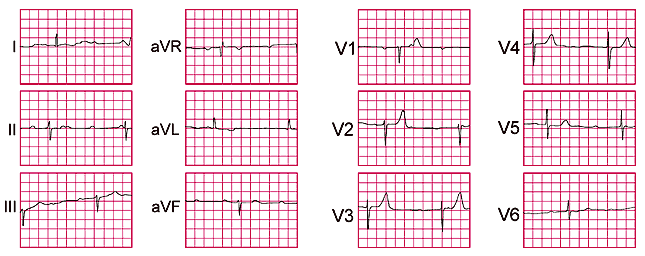
A 72-year-old woman comes to the physician because of generalized fatigue for 1 week. During this period, she has occasionally had light-headedness on standing up quickly. She has not had chest pain or shortness of breath. She has hypertension and coronary artery disease. Current medications include amlodipine and hydrochlorothiazide. She is alert and oriented to person, place, and time. Her temperature is 37°C (98.6°F), pulse is 38/min, respirations are 14/min, and blood pressure is 80/40 mm Hg. Crackles are heard at both lung bases. S1 and S2 are normal. A grade 2/6 systolic murmur is heard best at the fourth left intercostal space with radiation to the carotid arteries. There is no peripheral edema. An ECG is shown. Which of the following is the most appropriate next step in management?
Correct
Incorrect
Question 20 of 50
20. Question
A previously healthy 5-year-old boy is brought to the office by his mother because of the sudden onset of severe abdominal pain 1 hour after he ate dinner. He receives no medications. Immunizations are up-to-date. He was adopted at birth, and there is no information available about his biological family history. His temperature is 38.3°C (100.9°F), pulse is 100/min, respirations are 20/min, and blood pressure 85/60 mm Hg. Examination shows conjunctival icterus. There is guarding and moderate tenderness to palpation of the right upper quadrant. The spleen tip is palpable. Results of laboratory studies are shown:
Hemoglobin
8.3 g/dL
Leukocyte count
11,000/mm3
Reticulocyte count
7%
Serum total bilirubin
4 mg/dL
Direct antiglobulin (Coombs) test result is negative. A blood smear shows small, uniform, spherical erythrocytes. Which of the following is the most likely cause of this patient’s abdominal pain?
Correct
Incorrect
Question 21 of 50
21. Question
A prospective multicenter study is conducted to determine if an oxygenation index (OI) greater than 20 predicts death in patients who develop acute respiratory distress syndrome (ARDS) after a bone marrow transplantation. A total of 120 patients are enrolled. The results show:
Patients With ARDS
Number of Patients
Number of Patients
Total Number
With OI≤20
With OI>20
of Patients
Survived
25
20
45
Died
15
60
75
Total
40
80
120
According to these results, which of the following represents the sensitivity of this index?
Correct
Incorrect
Question 22 of 50
22. Question
An otherwise healthy 47-year-old woman, gravida 2, para 2, comes to the physician because of hot flashes that began 8 months ago and have become more frequent during the past 3 months. Menses now occur at irregular 40- to 60-day intervals with light flow and last 2 to 3 days. Her last menstrual period was 2 months ago. Her pulse is 85/min, respirations are 16/min, and blood pressure is 140/80 mm Hg. Examination, including pelvic examination, shows no abnormalities. Which of the following is the most appropriate next step in management?
Correct
Incorrect
Question 23 of 50
23. Question
A 28-year-old man comes to the office for a follow-up examination 2 days after undergoing HIV antibody/antigen testing. The patient is sexually active with only men and uses condoms inconsistently. He is asymptomatic and has no history of serious illness. He takes no medications. Results of HIV antibody/antigen testing 6 months ago were negative. The patient does not smoke cigarettes, drink alcohol, or use illicit drugs. He is 180 cm (5 ft 11 in) tall and weighs 82 kg (180 lb); BMI is 25 kg/m2. Vital signs are within normal limits. Examination shows no abnormalities. CD4+ T-lymphocyte count is 724/mm3 (Normal≥500), and plasma HIV viral load is 169,000 copies/mL. Results of serum studies are within the reference ranges. When told of his diagnosis, the patient begins to cry and is comforted by his mother. In addition to expressing empathy, the most appropriate next step in management is to address which of the following with the patient?
Correct
Incorrect
Question 24 of 50
24. Question
A 37-year-old man comes to the office for a routine follow-up examination. He has a 7-year history of bipolar disorder, most recent episode depressed, that has been well controlled for 18 months with lithium carbonate, valproic acid, fluoxetine, propranolol, and levothyroxine. He had two manic episodes, 7 and 2 years ago, that resulted in psychiatric hospitalizations. The episodes were preceded and followed by 6 months of depression. Physical examination today shows no abnormalities. On mental status examination his mood is normal. He says that he feels fine and would like to discontinue all or some of his medications. Discontinuation of which of the following medications is most likely to increase this patient’s risk for suicide?
Correct
Incorrect
Question 25 of 50
25. Question
A 14-year-old boy is brought to the emergency department 3 weeks after stepping on a nail. He was wearing tennis shoes at the time of the injury. His mother treated the puncture wound by cleansing it with soap and water. Initially the pain subsided, but it has returned and worsened over the past 3 days; he now refuses to bear weight on the foot. He is afebrile. Examination shows redness around the puncture site; it is tender to palpation. An x-ray of the foot shows an area of radiolucency with subperiosteal new bone formation of the metatarsal bone. Which of the following is the most likely causal organism?
Correct
Incorrect
Question 26 of 50
26. Question
A 42-year-old primigravid woman at 34 weeks’ gestation is brought to the emergency department because of a 4-hour history of decreased fetal movement. Pregnancy has been complicated by gestational diabetes treated with insulin. She has no history of serious illness or other pregnancy complications. She is 160 cm (5 ft 3 in) tall. She weighed 82 kg (180 lb) prior to her pregnancy; BMI was 32 kg/m2. She has had an 18-kg (40-lb) weight gain during her pregnancy. Her temperature is 37°C (98.6°F), pulse is 70/min, and blood pressure is 130/70 mm Hg. The cervix is not dilated. The remainder of the examination shows no abnormalities. Her fingerstick blood glucose concentration is 110 mg/dL. A fetal heart tracing is shown. This pattern is unchanged during the next hour. Which of the following is the most appropriate next step in management?
Correct
Incorrect
Question 27 of 50
27. Question
A previously healthy 62-year-old woman comes to the physician because of a 2-day history of severe right orbital headache. She takes no medications. She does not smoke cigarettes or drink alcohol. Her blood pressure is 170/90 mm Hg. Examination shows a supple neck. Visual acuity is 20/40 in the left eye and 20/60 in the right eye. The cup:disc ratio is 7:10 in the left eye and 9:10 in the right eye. Neurologic examination shows no other focal findings. Her erythrocyte sedimentation rate is 15 mm/h. Which of the following is the most likely diagnosis?
Correct
Incorrect
Question 28 of 50
28. Question
A 27-year-old woman comes to the physician because of a progressive rash and easy bruising during the past 2 weeks. She has no history of serious illness and takes no medications. She enjoys horseback riding and first noticed the rash on her legs when she took off her riding boots. She initially believed it was caused by the long time spent horseback riding that day. Her pulse is 62/min, respirations are 12/min, and blood pressure is 113/77 mm Hg. Examination shows a blood-filled blister on the right buccal mucosa. There is a petechial rash over both shins and dorsum of the feet. Laboratory studies show a platelet count of 9000/mm3. Prothrombin time is 12 sec (INR=1.1) and partial thromboplastin time is 29 sec. Results of thyroid, liver, and renal function tests are within the reference ranges. A blood smear shows decreased platelets. Which of the following is the most appropriate next step in management?
Correct
Incorrect
Question 29 of 50
29. Question
A 69-year-old man comes to the clinic for a routine examination. He says he feels well. He has hypertension, hypercholesterolemia, and osteoarthritis. His medications are lisinopril, hydrochlorothiazide, and lovastatin. He smoked two packs of cigarettes daily for 30 years but quit 8 years ago. Vital signs are within normal limits. Examination shows no abnormalities. Which of the following is the most appropriate screening test to decrease this patient’s risk for a cardiovascular event?
Correct
Incorrect
Question 30 of 50
30. Question
A previously healthy 37-year-old man comes to the office because of a 4-week history of intermittent difficulty swallowing solids and liquids. The patient describes a sensation of something lodged in the center of his chest and says that the sensation is often painful. He has not had any other symptoms. He takes no medications. Examination shows no abnormalities. Which of the following is the most likely diagnosis?
Correct
Incorrect
Question 31 of 50
31. Question
An 8-year-old girl is brought to the physician because of a 2-week history of vaginal discharge and itching. She has no history of serious illness and receives no medications. Vital signs are within normal limits. Pelvic examination shows erythema of the perineum and thin, white vaginal discharge. The remainder of the examination shows no abnormalities. Wet mount preparation of the discharge shows epithelial cells and a small number of leukocytes. Addition of KOH preparation to the discharge produces no odor. Which of the following is the most likely explanation for these findings?
Correct
Incorrect
Question 32 of 50
32. Question
Four days after undergoing open reduction and internal fixation of an intertrochanteric fracture of the right hip sustained in a fall, a 72-year-old woman has the sudden onset of fever and rigors. A central venous catheter had been placed preoperatively in the right internal jugular vein for vascular access. She received perioperative cefazolin for 24 hours. Her temperature is 39.2°C (102.6°F), pulse is 104/min, respirations are 16/min, and blood pressure is 80/50 mm Hg. Examination shows a well-healing incision. There are no localizing signs of infection. Which of the following is most likely to have prevented these findings?
Correct
Incorrect
Question 33 of 50
33. Question
A 17-year-old girl is brought to the physician by her mother because she is concerned that her daughter has never had a menstrual period. The mother reports that her own menarche occurred at the age of 13 years. The patient has no history of serious illness and takes no medications. She is in the 11th grade, receives grades of A’s and B’s, and sings in the school choir. She has never been sexually active. She is 173 cm (5 ft 8 in) tall and weighs 66 kg (145 lb); BMI is 22 kg/m2. Her blood pressure is 100/60 mm Hg. Breast development is sexual maturity rating (SMR) stage 5, and pubic hair development is SMR stage 2. Examination of the external genitalia shows no abnormalities. Insertion of a speculum into the vagina is difficult. The cervix cannot be visualized or palpated. The uterus is not palpable. Pelvic ultrasonography and MRI of the pelvis confirm the absence of a uterus and ovaries. Which of the following is the most appropriate next step in management?
Correct
Incorrect
Question 34 of 50
34. Question
A 2-week-old male newborn is brought to the emergency department by his mother because of a 2-day history of sweating while feeding and decreased formula intake. He has not had fever, vomiting, diarrhea, or cough. He was born at term following an uncomplicated pregnancy and delivery. On arrival, he appears cyanotic and is in moderate respiratory distress. He is at the 30th percentile for length and 20th percentile for weight. Temperature is 37.2°C (99.0°F), pulse is 160/min, respirations are 80/min, and blood pressure is 80/50 mm Hg. Pulse oximetry on room air shows an oxygen saturation of 80%. A grade 4/6, systolic ejection murmur is heard best at the middle and upper left sternal borders. Chest x-ray is shown. In addition to a displaced aorta, this patient most likely has which of the following sets of cardiac anomalies?
Correct
Incorrect
Question 35 of 50
35. Question
A 14-year-old girl is brought to the physician by her parents because of an 8-month history of shaking of her hands that occurs when she tries to do things that require steadiness, such as writing, threading a needle, or doing art work. Her teachers have reported that her handwriting is sometimes difficult to read. The shaking is worse when the patient is stressed or tired, but she says she is not bothered by it. She has no history of serious illness and takes no medications. Her father also has mild shaking of the hands. The patient is 157 cm (5 ft 2 in) tall and weighs 43 kg (95 lb); BMI is 17 kg/m2. Vital signs are within normal limits. Examination of the eyes shows full ocular movements and mild end-gaze nystagmus. There is a fast tremor of the hands when the patient holds her arms outstretched. When the patient draws spirals and straight lines, the tremor causes waviness in the figures drawn. There is no dysmetria on finger-nose and heel-shin testing. The remainder of the examination shows no abnormalities. Which of the following is the most appropriate next step in diagnosis?
Correct
Incorrect
Question 36 of 50
36. Question
An 11-year-old girl is brought to the office by her mother because of a 1-year history of behavioral issues at school. The mother reports her daughter has become more isolated and her grades have fallen from A’s and B’s to C’s. The mother is also concerned about her daughter’s appearance. She has dyed her hair green and has an asymmetric haircut. The patient has no history of serious illness and receives no medications. When her mother leaves the room, the patient says she is tired of everyone at school. She feels that she is “in the wrong body.” She also hates her name and would prefer using a gender-neutral one. She states she has felt this way her entire life but now feels that she has to say something. She has tried to talk with her parents about her feelings, but they dismiss her when she brings up her concerns. The patient says the few friends she has have become “different” and interested in things she does not really like. She is also upset about her body changes and wants them to stop. Physical examination discloses no abnormalities. On mental status examination, she is fully oriented and exhibits no deficits. This patient is at greatest risk for which of the following disorders?
Correct
Incorrect
Question 37 of 50
37. Question
A 13-year-old boy is brought to the office by his father because the father is concerned that his son seems to have a small penis. The patient has no history of serious illness and takes no medications. Vaccinations are up-to-date. Vital signs are within normal limits. Physical examination shows a small amount of long, downy pubic hair at the base of the penis. The scrotum is pink and enlarged; the penis is 3 cm in length. Which of the following is the most appropriate next step in management?
Correct
Incorrect
Question 38 of 50
38. Question
A 57-year-old woman comes to the emergency department 1 hour after the onset of left-sided chest pain and shortness of breath. The pain is exacerbated by inspiration. She has no history of exertional chest pain or shortness of breath. She has received estrogen and progestin replacement therapy since menopause 7 years ago. Her temperature is 38°C (100.4°F), pulse is 105/min and regular, respirations are 24/min, and blood pressure is 120/80 mm Hg. A rub and decreased breath sounds are heard over the left posterior hemithorax. Heart sounds are normal. Examination of the lower extremities shows no abnormalities. Arterial blood gas analysis on room air shows:
pH
7.48
Pco2
28 mm Hg
Po2
65 mm Hg
An x-ray of the chest shows blunting of the left costophrenic angle and a wedge-shaped opacity in the left lower lobe. An ECG shows right heart strain. Venous duplex ultrasonography of the lower extremities shows no abnormalities. Ventilation-perfusion lung scans show a perfusion defect in the left lower lobe and are consistent with a high probability of pulmonary embolus. Which of the following is the most appropriate next step in diagnosis?
Correct
Incorrect
Question 39 of 50
39. Question
An 80-year-old woman, who resides in a nursing care facility, is brought to the office by a nurse because of a 1-month history of moderate lower abdominal pain and constant low-volume urinary incontinence that now requires use of an absorbent pad. She also has had frequent urinary tract infections during the past year. She has hypertension, type 2 diabetes mellitus, and dementia. Her medications are insulin, labetalol, and donepezil. She appears frail and sits in a wheelchair. She is 160 cm (5 ft 3 in) tall and weighs 51 kg (113 lb); BMI is 20 kg/m2. Vital signs are within normal limits. Abdominal examination shows a soft, nontender midline mass below the umbilicus. Which of the following is the most likely cause of this patient’s urinary incontinence?
Correct
Incorrect
Question 40 of 50
40. Question
An 18-year-old man is brought to the physician by his parents because of a 1-week history of increasingly severe pain, swelling, and locking sensation in his right knee. Last week, his knee was twisted and bent as he was pinned during a wrestling match. He was unable to finish the match. He has no history of serious illness and takes no medications. Vital signs are within normal limits. The skin is intact. Examination of the right knee shows 2+ effusion. Range of motion of the left knee is full. Range of motion of the right knee in extension is limited by pain. McMurray testing of the right knee produces pain over the medial joint line. Lachman and abduction and adduction stress tests are negative bilaterally. Dorsalis pedis pulses are 2+ bilaterally. Sensation to light touch is intact over the lower extremities. X-rays of the right knee show no abnormalities. An MRI of the medial aspect of the right knee is shown. Which of the following is the most appropriate next step in management?
Correct
Incorrect
Question 41 of 50
41. Question
A 62-year-old man with large cell non-Hodgkin lymphoma is brought to the emergency department because of a 3-day history of fatigue, headache, dizziness, and facial flushing that is exacerbated by bending forward. His only medication is omeprazole. On arrival, he appears slightly cyanotic. His temperature is 37°C (98.6°F), pulse is 96/min, respirations are 20/min, and blood pressure is 140/90 mm Hg. Examination shows brawny edema of the neck and face. The veins over the anterior chest and shoulders are dilated. Breath sounds are normal. Heart sounds are distant. A CT scan of the chest shows clear progression in the size and distribution of mediastinal and abdominal lymphadenopathy; the inferior vena cava is posteriorly displaced. Intravenous hydrocortisone therapy is started. Which of the following is the most appropriate next step in management?
Correct
Incorrect
Question 42 of 50
42. Question
A 42-year-old woman comes to the physician because of increasingly severe right heel pain and swelling since she stepped off balance onto the foot 4 weeks ago; the pain increases with weight-bearing and decreases with rest. She has systemic lupus erythematosus and chronic renal failure. She receives hemodialysis. Her only medication is hydroxychloroquine. Vital signs are within normal limits. The skin over the lower extremities is intact. Dorsalis pedis pulses are 1+ bilaterally. The posterior tuberosity of the right calcaneus is tender to palpation. Motor examination shows no abnormalities. There is pes planus bilaterally. Sensation to light touch is intact over the lower extremities. An x-ray of the right ankle is shown. Serum studies are most likely to show an increased concentration of which of the following in this patient?
Correct
Incorrect
Question 43 of 50
43. Question
A 72-year-old woman comes to the physician for a routine follow-up examination. She has type 2 diabetes mellitus, hypertension, chronic kidney disease, and osteoarthritis of the knees. She says that she feels well except for mild swelling of her feet, which has made her shoes feel tighter. Her medications are lisinopril, naproxen, acetaminophen, and metformin. She is 170 cm (5 ft 7 in) tall and weighs 81 kg (178 lb); BMI is 28 kg/m2. She has gained 2.3 kg (5 lb) since her last examination 1 month ago. Her temperature is 36.8°C (98.2°F), pulse is 72/min, respirations are 16/min, and blood pressure is 112/62 mm Hg. Cardiopulmonary examination shows no abnormalities. There is 1+ pitting edema of the ankles. Her hemoglobin A1c is 6.1%, and serum creatinine concentration is 2.1 mg/dL, unchanged from last year. Metformin therapy is discontinued. Which of the following is the most effective measure to improve this patient’s renal function?
Correct
Incorrect
Question 44 of 50
44. Question
A 52-year-old woman who has a 20-year history of type 2 diabetes mellitus comes to the physician because of a 1-day history of double vision that resolves when she closes either eye. She has no other symptoms. Her only medication is metformin. Vital signs are within normal limits. She is unable to abduct her left eye. Visual acuity is 20/20 in both eyes. The remainder of the examination shows no abnormalities. Which of the following is the most likely diagnosis?
Correct
Incorrect
Question 45 of 50
45. Question
A 57-year-old woman comes to the physician for evaluation 2 weeks prior to an operation for varicose veins. Two months ago, she received the diagnosis of Graves disease, and propylthiouracil therapy was begun at that time. She has hypertension controlled with hydrochlorothiazide. She also has seasonal rhinitis and takes over-the-counter decongestants as needed. She occasionally takes acetaminophen for headache. Her temperature is 37°C (98.6°F), pulse is 76/min, respirations are 20/min, and blood pressure is 134/82 mm Hg. Examination of the lower extremities shows extensive varicose veins along the inner aspect of the left calf. Laboratory studies show:
Hematocrit
41%
Leukocyte count
1000/mm3
Segmented neutrophils
25%
Bands
2%
Eosinophils
6%
Lymphocytes
59%
Monocytes
8%
Serum
Na+
138 mEq/L
K+
3.7 mEq/L
Cl−
103 mEq/L
HCO3−
24 mEq/L
Urea nitrogen
16 mg/dL
Creatinine
1 mg/dL
Which of the following is the most appropriate next step in management?
Correct
Incorrect
Question 46 of 50
46. Question
Four days after admission to the hospital because of abdominal pain and dehydration, a 52-year-old man with metastatic colon cancer is demanding additional medication to relieve his pain. On admission, treatment with intravenous crystalloid and acetaminophen was begun. On hospital day 2, his pain increased in severity, and he was switched to intravenous hydromorphone, which provided adequate analgesia. This morning, in preparation for discharge, he was switched to oral hydromorphone at the same dose. Eight hours later, he said the pain relief was inadequate, but the oral medication was maintained. Since then, he anxiously has been anticipating each dose of oral hydromorphone by watching the clock. He has no history of substance use disorder. On mental status examination, he has an anxious mood and is preoccupied with receiving pain medication. Which of the following is the most likely explanation for this patient’s inadequate pain relief?
Correct
Incorrect
Question 47 of 50
47. Question
Ten days after undergoing vagotomy, pyloroplasty, and oversewing for a bleeding duodenal ulcer, a 67-year-old man is brought to the emergency department because of fever, difficulty breathing, and left shoulder pain. He was previously feeling well and tolerating a normal diet. His only medication is oxycodone with acetaminophen. His temperature is 38.5°C (101.3°F), respirations are 34/min, and blood pressure is 140/85 mm Hg. Breath sounds are decreased over the left lung base. Abdominal examination shows tenderness over the left upper quadrant; the incision site is healing well. The remainder of the examination shows no abnormalities. An x-ray of the chest shows a raised left hemidiaphragm. Which of the following is the most likely cause of these current findings?
Correct
Incorrect
Question 48 of 50
48. Question
A 65-year-old man comes to the office for a routine examination. He sustained an ST-elevation myocardial infarction 1 year ago with subsequent revascularization and stent placement. The patient says he has felt well since his coronary procedure, and he reports no exercise intolerance, chest pain, shortness of breath, or other symptoms. He also has coronary artery disease, hypertension, and hyperlipidemia. Medications are clopidogrel, lisinopril, metoprolol, and atorvastatin. The patient smoked one pack of cigarettes daily for 45 years but quit after his myocardial infarction. He drinks one glass of wine nightly and does not use illicit drugs. He does yard work and walks for 20 minutes three times weekly. He is 180 cm (5 ft 11 in) tall and weighs 104 kg (229 lb); BMI is 32 kg/m2. Vital signs are normal. Physical examination discloses no abnormalities. Repeat ECG is unchanged from his last ECG. Which of the following is the most appropriate study for disease surveillance?
Correct
Incorrect
Question 49 of 50
49. Question
A 57-year-old woman with unresectable pancreatic cancer is admitted to the hospital because of a 3-month history of constant severe abdominal pain that radiates to her back. The pain has not decreased despite an 8-week course of palliative chemotherapy and radiation therapy and treatment with transdermal fentanyl and oral oxycodone every 6 hours for breakthrough pain. She rates the pain as an 8 on a 10-point scale. She says that the pain limits her daily activities and forces her to remain bedridden for 10 to 12 hours daily. She is able to eat but has occasional nausea. Her temperature is 37°C (98.6°F), pulse is 98/min, respirations are 16/min, and blood pressure is 112/65 mm Hg. Examination shows mild scleral icterus. A 6-cm tender mass is palpated in the epigastrium. A CT scan of the abdomen is shown. Which of the following is the most appropriate next step in management?
Correct
Incorrect
Question 50 of 50
50. Question
A 67-year-old man comes to the physician for a routine examination. He has chronic lymphocytic leukemia and currently takes no medications. He feels well. His temperature is 37°C (98.6°F), pulse is 84/min, respirations are 16/min, and blood pressure is 136/72 mm Hg. Examination shows several small, firm, nontender lymph nodes in the neck and axilla. Abdominal examination shows mild splenomegaly. Laboratory studies show:
Hemoglobin
13 g/dL
Leukocyte count
84,000/mm3
Segmented neutrophils
30%
Eosinophils
3%
Basophils
2%
Lymphocytes
60%
Monocytes
5%
Platelet count
149,000/mm3
This patient is at greatest risk for which of the following?
Correct
Incorrect
لا تفوّت فرصتك!
احصل على تجربة مجانية لدورة USMLE
محتوى مختار من المحاضرات، الكتب، بنك الأسئلة مع فيديوهات قصيرة لحل الأسئلة، والفلاش كاردز.