
CK- NBME 10 – Block 2
Quiz Summary
0 of 50 Questions completed
Questions:
Information
You have already completed the quiz before. Hence you can not start it again.
Quiz is loading…
You must sign in or sign up to start the quiz.
You must first complete the following:
Results
Results
0 of 50 Questions answered correctly
Your time:
Time has elapsed
You have reached 0 of 0 point(s), (0)
Earned Point(s): 0 of 0, (0)
0 Essay(s) Pending (Possible Point(s): 0)
| Average score |
|
| Your score |
|
Categories
- Not categorized 0%
- 1
- 2
- 3
- 4
- 5
- 6
- 7
- 8
- 9
- 10
- 11
- 12
- 13
- 14
- 15
- 16
- 17
- 18
- 19
- 20
- 21
- 22
- 23
- 24
- 25
- 26
- 27
- 28
- 29
- 30
- 31
- 32
- 33
- 34
- 35
- 36
- 37
- 38
- 39
- 40
- 41
- 42
- 43
- 44
- 45
- 46
- 47
- 48
- 49
- 50
- Current
- Review
- Answered
- Correct
- Incorrect
-
Question 1 of 50
1. Question
A previously healthy 42-year-old woman, gravida 3, para 3, comes to the physician because of a 3-month history of progressive urinary incontinence. She has loss of urine with coughing, sneezing, and exercising. Her last bowel movement was 3 days ago. She has no history of gynecologic illness. She has gastroesophageal reflux disease treated with omeprazole and hypertension treated with hydrochlorothiazide. Her children were born following uncomplicated vaginal deliveries. Her blood pressure is 120/70 mm Hg. Physical examination shows no abnormalities. Pelvic examination shows bulging of the anterior vaginal wall. Her postvoid residual volume is 50 ml_. Urinalysis shows no blood, WBCs, or nitrites. There is loss of urine on cough stress test. Which of the following is the most likely cause of this patient’s loss of urine?
CorrectIncorrect -
Question 2 of 50
2. Question
A 42-year-old man is admitted to the hospital because of a 2-day history of fever, chills, cough, and shortness of breath. He currently takes atenolol for hypertension and pravastatin for hyperlipidemia. He has smoked one pack of cigarettes daily for 20 years. He underwent splenectomy at the age of 18 years for injuries sustained in a motorcycle collision. He appears pale and is in moderate distress. His temperature is 40°C (104°F), pulse is 120/min, respirations are 22/min, and blood pressure is 100/60 mm Hg. Crackles and decreased breath sounds are heard over the left lower lung field; there is dullness to percussion. Examination shows no other abnormalities. A Gram stain of sputum shows gram-positive diplococci. Treatment with ceftriaxone is begun. An x-ray of the chest shows an infiltrate and pleural effusion on the left. Thoracentesis is performed. Laboratory studies show: A Gram stain of the pleural fluid shows many segmented neutrophils and gram-positive diplococci.
Pleural fluid:
pH: 6.8
Glucose: 30 mg/dL
Lactate dehydrogenase (LDH): 850 U/L
Arterial blood gas analysis on room air:
pH: 7.44
PCO₂: 32 mm Hg
PO₂: 68 mm Hg
Which of the following is the most appropriate next step in management of the pleural effusion?
CorrectIncorrect -
Question 3 of 50
3. Question
A 17-year-old boy with intellectual developmental disorder is brought to the physician because of low-grade fever and abdominal pain for 6 days. His temperature is 37.8°C (100.1°F), pulse is 110/min, respirations are 22/min, and blood pressure is 120/70 mm Hg. Examination shows splinter hemorrhages under the nails. A grade 2/6 systolic murmur is heard best at the upper left sternal border. There is a systolic ejection click. S1 and S2are normal. Abdominal examination shows splenomegaly. Laboratory studies show:
Hemoglobin: 9.1 g/dL
Leukocyte count: 30,000/mm³
Platelet count: 928,000/mm³
Erythrocyte sedimentation rate (ESR): 110 mm/h
Urine:
Blood: 2+
Protein: 1+
Which of the following is the most appropriate next step in management?
CorrectIncorrect -
Question 4 of 50
4. Question
A 77-year-old man is brought to the physician by his wife because of a 1-year history of poor balance, weakness of his legs, and numbness of his toes and feet. His wife states that he is not as mentally sharp as he was 1 year ago. He has peptic ulcer disease and hypertension. Current medications are hydrochlorothiazide and ranitidine. His blood pressure is 148/88 mm Hg. Examination shows normal muscle tone and strength in the upper and lower extremities. Deep tendon reflexes are 2+ in the upper extremities, 3+ at the knees, and absent at the ankles. Babinski sign is present. Proprioception and sensation to vibration are markedly decreased at the ankles and toes. He has a broad- based but steady gait. On mental status examination, he is oriented to month, day, and year. He can name the current president but none of the previous presidents. Mean corpuscular volume is 105 pm3, and serum lactate dehydrogenase activity is 210 U/L. A serologic test for syphilis is negative. MRI of the brain shows mild cortical atrophy, enlarged ventricles, and multiple small areas of T2 hyperintensities in the white matter. Which of the following is the most likely diagnosis?
CorrectIncorrect -
Question 5 of 50
5. Question
A 42-year-old woman, gravida 5, para 4, at 14 weeks’ gestation comes to the physician for a routine prenatal visit. Prior to conception, menses had occurred at regular 28-day intervals. Her temperature is 37°C (98.6°F), pulse is 80/min, respirations are 20/min, and blood pressure is 120/80 mm Hg. Examination shows a closed cervix and a uterus consistent in size with a 6-week gestation. Ultrasonography shows a normal uterus with a gestational sac and no cardiac activity. Which of the following is the most likely diagnosis?
CorrectIncorrect -
Question 6 of 50
6. Question
A 4-year-old girl is brought to the physician because of a 3-month history of episodic abdominal pain and loose stools that recur several times weekly. She has not had nausea, vomiting, or decreased appetite. Her development has been appropriate for age. She received the diagnosis of type 1 diabetes mellitus 9 months ago, and her most recent hemoglobin A1c was 7.5%. Her only medication is insulin. She appears well. She is at the 25th percentile for height and 10th percentile for weight, as she was at her last examination 4 months ago. Her temperature is 36.7°C (98°F), pulse is 100/min, respirations are 24/min, and blood pressure is 95/60 mm Hg. The conjunctivae are pale. A grade 1/6, systolic ejection murmur is heard at the left sternal border. The abdomen is mildly distended but soft and nontender; there is no hepatosplenomegaly. The remainder of the examination shows no abnormalities. Laboratory studies show:
Hemoglobin: 10 g/dL
Mean corpuscular volume (MCV): 67 µm³ (Normal = 70–74)
Leukocyte count: 8,500/mm³
Platelet count: 250,000/mm³
Red cell distribution width (RDW): 18% (Normal = 13%–15%)
Additional serum studies are most likely to show an increase in which of the following?
CorrectIncorrect -
Question 7 of 50
7. Question
A 24-year-old man comes to the clinic because of a 2-day history of severe mouth pain, fever, sore throat, and malaise. He has no known sick contacts. He has no history of serious illness and takes no medications. He recently returned home from active duty deployment in the US Air Force. His temperature is 38.7°C (101.7°F). Examination shows cervical lymphadenopathy. There are multiple small vesicles over the inside of the mouth and posterior oropharynx. Soft tissue fullness is noted. Which of the following is the most appropriate next step in diagnosis?
CorrectIncorrect -
Question 8 of 50
8. Question
A 23-year-old man with schizophrenia is brought to the emergency department by his mother 28 hours after the onset of progressive confusion and agitation. He has had increased thirst during this period. One week ago, he was discharged after treatment for the second exacerbation of schizophrenia. Current medications include haloperidol and benztropine. He appears flushed. His temperature is 38°C (100.4°F), pulse is 100/min, and blood pressure is 160/90 mm Hg. Examination shows dry mucous membranes. Pupils are 4 mm and reactive to light. On mental status examination, he is not oriented to person, place, or time. Which of the following is the most likely explanation for these findings?
CorrectIncorrect -
Question 9 of 50
9. Question
A previously healthy 18-year-old primigravid African American woman at 18 weeks’ gestation is brought to the emergency department because of a 2-day history of fever and a 12-hour history of severe left-sided back pain. She has had no prenatal care. Her family history is unknown because she was adopted. Her temperature is 39.1°C (102.4°F), pulse is 110/min, and blood pressure is 100/62 mm Hg. Examination shows left costovertebral angle tenderness. The uterus is consistent in size with an 18-week gestation. Laboratory studies show:
Hemoglobin: 7.9 g/dL
Hemoglobin electrophoresis:
Hemoglobin A₁: 14%
Hemoglobin A₂: 4%
Hemoglobin F: 7%
Hemoglobin S: 75%
Mean corpuscular volume (MCV): 90 µm³
Platelet count: 159,000/mm³
Urine:
Bacteria: 3+
WBCs: 3+
In addition to antibiotic treatment, which of the following is the most appropriate pharmacotherapy?
CorrectIncorrect -
Question 10 of 50
10. Question
A 67-year-old man comes to the physician because of easy fatigability and generalized weakness for 3 months and left chest pain for 1 month. The chest pain is worse on deep inspiration. He appears slightly pale. There is tenderness over the left 8th and 9th ribs laterally. Examination shows no other abnormalities. His hematocrit is 28%. Serum and urine protein electrophoresis shows a monoclonal spike. A biopsy specimen of bone marrow shows greater than 50% plasma cells. An x-ray of the chest shows 1 – to 1,5-cm areas of radiolucency in both ribs corresponding to the sites of tenderness. This patient’s condition makes him most susceptible to infection with which of the following organisms?
CorrectIncorrect -
Question 11 of 50
11. Question
A study is conducted to assess the efficacy of a new drug for the treatment of hypertension. A total of 6000 patients are enrolled in the study; 50% of the patients receive the new drug and 50% receive standard antihypertensive therapy. The goal is to confirm efficacy and assess for adverse effects. The study builds on other studies done previously to assess safe dosing range, drug administration protocol, and initial efficacy. Which of the following best describes the phase of this clinical trial?
CorrectIncorrect -
Question 12 of 50
12. Question
State health officials are planning to implement a new skin cancer screening program in agricultural workers in several southern states who are occupationally exposed to the sun. The screening program will consist of annual visual skin examinations. Some researchers are concerned about the limited effectiveness of the program. Which of the following is most likely to cause overestimation of the effectiveness of this screening program?
CorrectIncorrect -
Question 13 of 50
13. Question
A study is conducted to assess the efficacy of a new drug for treatment of pruritus secondary to primary sclerosing cholangitis (PSC). A total of 300 patients with PSC are enrolled and randomly assigned to one of two groups: 150 patients receive the new drug (Drug X), and 150 patients receive the placebo. Pruritus is evaluated at the start of the study and after 1 week of treatment. The results show:
Group
Pruritus at 1 Week
Adverse Events
Drug X
40
25
Placebo
90
18
Based on these data, which of the following represents the number needed to treat for 1 week with Drug X to prevent one case of PSC pruritus in this population?
CorrectIncorrect -
Question 14 of 50
14. Question
A prospective cohort study is conducted to assess the likelihood of undergoing repeat cesarean delivery after a trial of labor with or without oxytocin. Oxytocin use and mode of delivery are recorded from hospital records for all deliveries in one calendar year. The results show:
Use of Oxytocin
Repeat Cesarean Delivery: Yes
Repeat Cesarean Delivery: No
Total
Yes
160
840
1000
No
320
680
1000
Total
480
1520
2000
Based on these results, which of the following represents the relative risk for a repeat cesarean delivery with oxytocin use?
CorrectIncorrect -
Question 15 of 50
15. Question
A 9-year-old boy is brought to the office by his parents because of bilateral groin hernias discovered by a nurse on examination 5 days ago at an urgent care clinic. The patient’s parents are migrant agricultural workers, and the patient’s medical care has been inconsistent and infrequent. The parents say their son has no history of serious illness; he has only occasional upper respiratory tract infections that resolve after treatment with over-the-counter medications. The patient currently receives no medications. The nurse reports that she administered several routine vaccines to the patient because he had not received them yet. He is at the 80th percentile for height and 20th percentile for weight. Examination shows an elongated face, droopy eyelids, and mild scoliosis. There is mild pectus carinatum. Cardiopulmonary and abdominal examinations show no abnormalities. The distance encompassed by the patient’s outstretched upper extremities is 1.2 times his height. On Valsalva maneuver, bilateral hernias below the inguinal ligaments are easily reducible. In addition to scheduling operative repair of the hernias, which of the following is the most appropriate next step in management?
CorrectIncorrect -
Question 16 of 50
16. Question
A 3-year-old girl is brought to the emergency department after her mother found her in the kitchen next to an open bottle of drain cleaner that had been stored under the sink. The bottle was still almost full, but some of its contents were spilled on the patient’s clothes and on the floor. On arrival, she is alert, crying, and drooling but in no respiratory distress. Her pulse is 120/min, respirations are 30/min, and blood pressure is 95/70 mm Hg. The mouth and oral mucosa is bright red, but there are no ulcers in the oropharynx. The lungs are clear to auscultation. Abdominal examination shows no abnormalities. The extremities are well perfused. An x-ray of the chest shows clear lung fields and normal cardiac silhouette and mediastinum. Which of the following is the most appropriate next step in management?
CorrectIncorrect -
Question 17 of 50
17. Question
A 42-year-old woman is brought to the emergency department 30 minutes after her husband found her unconscious in her bed. She has a 6-year history of systemic lupus erythematosus treated with prednisone. Her husband says she has been on a drinking binge for the past 7 days and has not been eating. Three days ago, she had the onset of rhinitis, conjunctivitis, and a nonproductive cough. She has a long-standing history of alcoholism. She moans in response to painful stimuli. Her temperature is 38.9°C (102°F), pulse is 110/min, respirations are 22/min, and palpable systolic blood pressure is 80 mm Hg. The lungs are clear to auscultation and percussion. Abdominal examination shows no abnormalities. Fluid resuscitation is begun. Which of the following is the most appropriate initial step in management?
CorrectIncorrect -
Question 18 of 50
18. Question
A 32-year-old woman comes to the physician because of a 2-week history of double vision and dry, red eyes. She also has had a 4.5-kg (10-lb) weight loss and increased fatigability during this time. Her only medication is an oral contraceptive. She is 163 cm (5 ft 4 in) tall and weighs 50 kg (110 lb); BMI is 19 kg/m2. Her temperature is 37.2°C (99°F), pulse is 100/min, respirations are 16/min, and blood pressure is 135/60 mm Hg. Examination shows prominent-appearing eyes and bilateral scleral injection. She has limited upward gaze, and she reports severe diplopia when she looks up; the eyes open wider on downward gaze. Visual acuity is 20/40 in the left eye and 20/30 in the right. Which of the following is the most appropriate next step in diagnosis?
CorrectIncorrect -
Question 19 of 50
19. Question
A 16-year-old boy with type 1 diabetes mellitus is brought to the emergency department by his parents because of a 1-hour history of vomiting. The parents say he was at an overnight camp during the past week. When he returned 12 hours ago, he was not as active as usual and said he was tired. The patient told his parents that he had taken his insulin while at camp, but when they checked his bag, his supply of insulin indicated that he had not been taking it regularly. On arrival, he appears ill and drowsy but fully oriented. There is a sweet odor to his breath. His temperature is 37°C (98.6°F), pulse is 120/min, respirations are 26/min and deep, and blood pressure is 115/60 mm Hg. Examination shows dry mucous membranes. No other abnormalities are noted. Laboratory studies show:
Fingerstick blood glucose: >600 mg/dL
Serum HCO₃⁻: 10 mEq/L
Arterial blood gas analysis on room air shows:
pH: 7.13
PCO₂: 32 mm Hg
PO₂: 95 mm Hg
Administration of which of the following is the most appropriate intial step in management?
CorrectIncorrect -
Question 20 of 50
20. Question
A 17-year-old boy is brought to the physician for an examination prior to participation in sports. He has no history of serious illness and takes no medications. He was diagnosed with intellectual developmental disorder at the age of 5 years. He is 165 cm (5 ft 5 in) tall and weighs 50 kg (110 lb); BMI is 18 kg/m2. Vital signs are within normal limits. Examination shows minimal facial hair. There is mild bilateral gynecomastia. The testes are Tanner stage 1. Which of the following is the most likely explanation for this patient’s gynecomastia?
CorrectIncorrect -
Question 21 of 50
21. Question
A 51 -year-old woman, gravida 1, para 1, comes to the office for an annual health maintenance examination. She says she has been generally healthy and feels well but is concerned about her risk for ovarian cancer because her friend of the same age recently was diagnosed with such cancer. Medical history is significant for an uncomplicated pregnancy and vaginal delivery. She breast-fed her child until he was age 6 months. Her only medications are a calcium supplement and daily multivitamin. She took an oral contraceptive for 15 years and discontinued the therapy 1 year ago; her menses did not resume after discontinuing the therapy. She has not taken hormone replacement therapy. She exercises regularly and does not smoke cigarettes. She has no known family history of cancer. All Pap smears in the past have shown no abnormalities. She is 173 cm (5 ft 8 in) tall and weighs 63 kg (139 lb); BMI is 21 kg/m2. Vital signs are normal. Physical examination, including pelvic examination, discloses no abnormalities. Which of the following factors in the patient’s history is most strongly associated with a decreased risk for ovarian cancer?
CorrectIncorrect -
Question 22 of 50
22. Question
A 27-year-old woman is evaluated in the hospital 36 hours after undergoing cesarean delivery at term because of a prolonged first stage of labor and rupture of membranes. She currently reports abdominal pain and breast tenderness. Current medications are oxycodone and acetaminophen. Her temperature is 38.9°C (102°F), pulse is 100/min, respirations are 18/min, and blood pressure is 110/60 mm Hg. Examination shows mild breast tenderness and induration. The incision site is clean and not erythematous. The uterus is diffusely tender to mild palpation. A urine sample shows multiple RBCs. Which of the following is the most appropriate next step in management?
CorrectIncorrect -
Question 23 of 50
23. Question
A 36-year-old woman comes to the clinic for a routine examination. She has hypertension treated with lisinopril. She has no other history of serious illness or operative procedures. She uses a copper IUD for contraception. She does not smoke cigarettes, drink alcohol, or use illicit drugs. Her maternal aunt was diagnosed with ovarian cancer at age 42 years. Her mother died in a motor vehicle collision at age 45 years. The patient’s vital signs are within normal limits. On examination, a 2-cm, fixed nontender mass is palpated in the upper outer quadrant of the right breast. Examination of the left breast shows no abnormalities. Findings on fine-needle biopsy of the mass are consistent with ductal carcinoma. Which of the following is the most appropriate next step in management?
CorrectIncorrect -
Question 24 of 50
24. Question
A 22-year-old primigravid woman at 38 weeks’ gestation comes to the physician as a new patient because she recently moved to this area. Pregnancy has been uncomplicated. Her only medication is a prenatal vitamin. Her father has factor VIII deficiency. The patient is concerned that her child may have hemophilia and bleeding complications at the time of delivery. Which of the following is the most appropriate physician recommendation?
CorrectIncorrect -
Question 25 of 50
25. Question
A 32-year-old woman, gravida 2, para 1, at 38 weeks’ gestation is admitted to the hospital in labor. Her pregnancy has been complicated by the diagnosis of HIV infection. Antiretroviral therapy with zidovudine (AZT), lamivudine (3TC), and nelfinavir was begun at 12 weeks’ gestation. She has tolerated therapy well. Her most recent CD4+ T-lymphocyte count was 600/mm3 (Normal>500), and plasma HIV viral load was 480 copies/mL. She wishes to attempt vaginal delivery. Which of the following is contraindicated with this patient’s pregnancy?
CorrectIncorrect -
Question 26 of 50
26. Question
A 57-year-old woman with diabetic nephropathy comes to the physician for a routine examination. She has chronic kidney disease, type 2 diabetes mellitus, and hypertension. Her medications are glyburide, enalapril, and metoprolol. Her blood pressure is 128/90 mm Hg. Cardiopulmonary examination shows no abnormalities. There is trace pedal edema. A 24-hour urine collection shows a total protein concentration of 5000 mg and creatinine clearance of 40 mL/min. Measurement of which of the following is the most appropriate next step to prevent complications of this patient’s kidney disease?
CorrectIncorrect -
Question 27 of 50
27. Question
An 82-year-old woman, who resides in a skilled nursing care facility, is brought to the emergency department because of a 2-day history of diffuse, severe abdominal pain, which has worsened during the past day. She rates her pain as an 8 on a 10-point scale. Her last bowel movement was 3 days ago. She has severe diffuse arthritis, osteoporosis, hypertension, and scoliosis. Her medications are oxycodone, alendronate, hydrochlorothiazide, and calcium and vitamin D supplementation. Her blood pressure is 148/62 mm Hg. The abdomen is tympanitic to percussion with marked distention and diffuse tenderness; there is no guarding or rigidity. High-pitched bowel sounds are heard. X-rays of the abdomen are most likely to show which of the following findings?
CorrectIncorrect -
Question 28 of 50
28. Question
An 84-year-old woman comes to the office because of a 1-week history of increasingly severe pain and swelling of the left side of her face. The pain worsens with eating. She has mild dementia, Alzheimer type, and hypertension. Her medications are donepezil and hydrochlorothiazide. Her temperature is 38.1°C (100.5°F), pulse is 86/min, and blood pressure is 144/90 mm Hg. Examination of the face shows left-sided edema that is tender to palpation. On palpation of the left parotid gland, purulent discharge is expressed from the orifice of the Stensen duct. Several tender nodes are palpated in the left anterior cervical chain. Cardiopulmonary examination shows no abnormalities. Which of the following is the most likely infectious agent?
CorrectIncorrect -
Question 29 of 50
29. Question
A 57-year-old man comes to the physician 3 days after undergoing colonoscopy screening that showed an ulcerated mass of invasive, poorly differentiated adenocarcinoma in the mid ascending colon. He feels well and has not had abdominal discomfort; black, tarry, or bloody stools; or weight loss. He has sciatica treated with ibuprofen as needed. Vital signs are within normal limits. Examination shows no abnormalities. Results of laboratory studies are within the reference ranges. Which of the following is the most appropriate next step in diagnosis?
CorrectIncorrect -
Question 30 of 50
30. Question
A 12-month-old boy is brought to the physician 24 hours after the sudden onset of diarrhea. His parents report that he has had approximately 10 episodes of watery stools with no blood or mucus. He has vomited once. He has been drinking fluids and eating crackers but has not been as active as usual. He appears alert and is not in distress. His temperature is 38.3°C (101°F), pulse is 120/min, respirations are 26/min, and blood pressure is 90/60 mm Hg. Physical examination shows moist mucous membranes. The oropharynx appears normal. The lungs are clear to auscultation. The abdomen is soft and nontender with no distention. Bowel sounds are normal. All extremities are warm and well perfused. Laboratory studies show:
Serum
Na⁺: 139 mEq/L
K⁺: 4.0 mEq/L
Cl⁻: 110 mEq/L
HCO₃⁻: 15 mEq/L
Urea nitrogen: 10 mg/dL
Creatinine: 0.5 mg/dL
Fecal leukocytes: none
Which of the following is the most appropriate next step in management?
CorrectIncorrect -
Question 31 of 50
31. Question
A 62-year-old man comes to the physician because of a 1-year history of increasing shortness of breath on exertion. He now has difficulty finishing yard work and climbing stairs in his home. He has not had cough, fever, or night sweats. He has hypertension treated with atenolol. He smoked two packs of cigarettes daily for 30 years but quit 12 years ago. He worked in the auto parts department of a local car dealership until he had to retire last month because of his respiratory symptoms. His temperature is 36.2°C (97.2°F), pulse is 88/min, respirations are 20/min, and blood pressure is 140/82 mm Hg. Pulse oximetry on room air shows an oxygen saturation of 90% at rest and 82% after walking 20 feet. Fine inspiratory crackles are heard at both lung bases. The remainder of the examination shows no abnormalities. A high-resolution CT scan of the chest shows a honeycomb appearance of the lungs. Which of the following is the most likely diagnosis?
CorrectIncorrect -
Question 32 of 50
32. Question
A 47-year-old woman comes to the physician because of a 3-month history of a nonproductive cough that is worse on weekdays when she is at work and improves during the weekend. She reports that the cough resolves completely by the end of the weekend. She has not had fever or weight loss. She does not smoke or use illicit drugs. Four months ago, she began working at a dry cleaning business. She is in no distress. Vital signs are within normal limits. An occasional end-expiratory wheeze is heard at both lung bases with mild hyperresonance to percussion. The remainder of the examination shows no abnormalities. Pulmonary function tests are most likely to show which of the following findings?
Option
FEV₁:FVC Ratio
Peak Expiratory Flow Rate
A
Decreased
Decreased
B
Decreased
Increased
C
Decreased
Normal
D
Increased
Decreased
E
Increased
Increased
F
Increased
Normal
G
Normal
Decreased
H
Normal
Increased
I
Normal
Normal
CorrectIncorrect -
Question 33 of 50
33. Question
A 13-year-old boy is brought to the emergency department by his father because of a 1-day history of severe, left-sided throat pain. The pain is constant and increases when he swallows or opens his mouth. He also has had mild shortness of breath during this time. He had an episode of tonsillitis 5 years ago that resolved with amoxicillin therapy. He has no other history of serious illness and takes no medications. His temperature is 38.4°C (101.1 °F), pulse is 100/min, respirations are 18/min, and blood pressure is 110/65 mm Hg. Pulse oximetry on room air shows an oxygen saturation of 96%. Examination shows edema of the left tonsil and deviation of the uvula with almost complete occlusion of the pharyngeal space. The tonsil is erythematous and fluctuant; there is a diffuse yellow exudate. Which of the following is the most appropriate next step in management?
CorrectIncorrect -
Question 34 of 50
34. Question
Five days after admission to the hospital because of inoperable descending thoracic aortic aneurysm with dissection, a 73-year-old man has moderate back pain. He has been treated with acetaminophen-oxycodone and rest. He has hypertension, type 2 diabetes mellitus, and hypercholesterolemia. On admission, his medications were clopidogrel, levalbuterol, pravastatin, glipizide, metoprolol, lisinopril, and aspirin. The clopidogrel and aspirin were discontinued on hospital day 1. Five years ago, drug-eluting stents were placed in the left main coronary artery and circumflex artery for an anterior myocardial infarction. His current medications are nitroprusside, metoprolol, furosemide, acetaminophen-oxycodone, and levalbuterol. He has smoked one pack of cigarettes daily for 50 years. His temperature is 38.3°C (101 °F), pulse is 110/min, and blood pressure is 180/106 mm Hg. Examination shows livedo reticularis over the dorsum of the left lower leg. There are petechiae over the dorsa of the feet and several small, purplish black lesions over the left first, second, and third toes and the right second and third toes. The toes are tender to palpation. There is lower abdominal tenderness; bowel sounds are increased. Laboratory studies show:
Leukocyte count: 14,000/mm³
Segmented neutrophils: 80%
Eosinophils: 13%
Lymphocytes: 5%
Monocytes: 2%
Erythrocyte sedimentation rate (ESR): 130 mm/h
Serum creatinine: 2.4 mg/dL
Urine:
Protein: 2+
RBC: 20–30/hpf
Casts: multiple RBC and granular cast
Maltese crosses are noted. Which of the following is the most likely diagnosis?
CorrectIncorrect -
Question 35 of 50
35. Question
A 23-year-old man comes to the physician for an examination prior to employment. He feels well. He has no history of serious illness and takes no medications. He is in his first year of law school and sleeps 4 to 5 hours nightly; he reports feeling stressed frequently because of the demanding course load. He has smoked one pack of cigarettes daily for 2 years and drinks one beer daily. He exercises by running for 30 minutes three times weekly. He is 178 cm (5 ft 10 in) tall and weighs 91 kg (200 lb); BMI is 29 kg/m2. His pulse is 80/min, and blood pressure is 132/96 mm Hg. Serum electrolyte concentrations are within the reference ranges. Urinalysis shows no abnormalities. In addition to advising smoking cessation, which of the following is the most appropriate recommendation to manage this patient’s increased blood pressure?
CorrectIncorrect -
Question 36 of 50
36. Question
A previously healthy 53-year-old woman is brought to the emergency department 2 hours after the onset of severe pressure and pain in her chest radiating down her left arm. She says she fell off her bicycle last week and bruised the left side of her rib cage. She has been taking naproxen for pain since then. She takes no other medications. On arrival, she is in severe distress. Her pulse is 110/min, respirations are 25/min, and blood pressure is 80/50 mm Hg. Pulse oximetry on 2 L/min of oxygen by nasal cannula shows an oxygen saturation of 85%. Examination shows cool, mottled skin. Jugular venous pulsations are present 8 cm above the sternal angle. Examination of the chest shows healing ecchymoses and mild tenderness over the ribs on the left. Crackles are heard at both lung bases. S1 and S2 are normal; an S3 is heard. An ECG shows ST-segment depression and a left bundle branch block. Which of the following is the most likely diagnosis?
CorrectIncorrect -
Question 37 of 50
37. Question
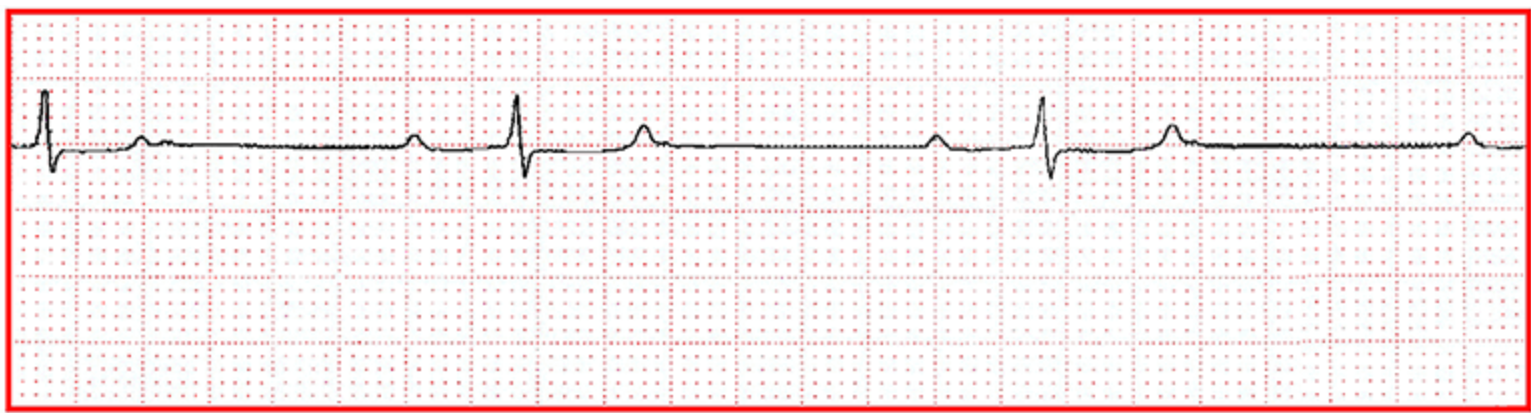
A 28-year-old primigravid woman at 7 weeks’ gestation is admitted to the hospital because of a 2-day history of shortness of breath, palpitations, and light-headedness. Pregnancy had been uncomplicated. She has no history of serious illness, and her only medication is a prenatal vitamin. Two months ago, she visited her parents’ farm in Wisconsin. The patient’s temperature is 37.8°C (100°F), pulse is 38/min, respirations are 20/min, and blood pressure is 110/70 mm Hg. Pulse oximetry on room air shows an oxygen saturation of 96%. Forehead movement is decreased. There is left facial droop, and the patient is unable to close her left eye. An ECG is shown. Which of the following is the most appropriate next step in management?
CorrectIncorrect -
Question 38 of 50
38. Question
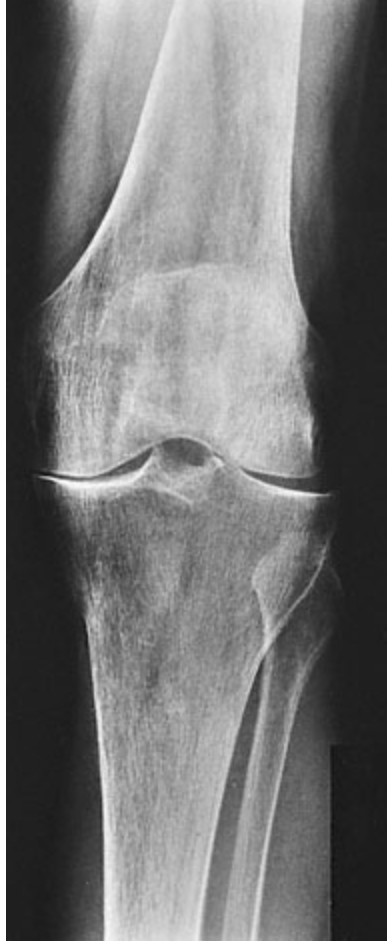
A 72-year-old woman comes to the physician because of a 6-month history of left knee pain. The pain increases when she walks up or down stairs. She rates her pain as a 3 on a 10-point scale. She has not had fever or morning stiffness. She has no history of serious illness and takes no medications. She is 160 cm (5 ft 3 in) tall and weighs 89 kg (196 lb); BMI is 35 kg/m2. Her temperature is 37°C (98.6°F), pulse is 68/min, respirations are 12/min, and blood pressure is 128/70 mm Hg. Examination of the left knee shows crepitus on passive flexion and extension; there is no synovitis. An x-ray of the left knee is shown. Which of the following is the most appropriate initial pharmacotherapy?
 CorrectIncorrect
 -
Question 39 of 50
39. Question
A 62-year-old man comes to the physician because he has noticed bloody urine intermittently during the past 2 months. He occasionally passes large clots through his urethra. During the past 2 weeks, he has had pain and swelling over his distal radial forearm. Examination shows tenderness, erythema, and edema over the radius 10 cm proximal to the wrist joint. An x-ray of the left upper extremity shows a lytic lesion of the radius with a pathologic fracture. Which of the following is the most likely diagnosis?
CorrectIncorrect -
Question 40 of 50
40. Question
A 67-year-old man comes to the emergency department because of a 2-day history of fever and progressive pain in his right knee. He says that he had a cold 5 days ago. He has end-stage renal failure secondary to type 2 diabetes mellitus and has required hemodialysis for the past 2 years. Current medications include insulin, erythropoietin, and a daily multivitamin. His temperature is 37.9°C (100.2°F). The right knee is swollen and warm. Range of motion is severely limited due to pain. The remainder of the examination shows no abnormalities. Which of the following is the most likely cause of this patient’s current symptoms?
CorrectIncorrect -
Question 41 of 50
41. Question
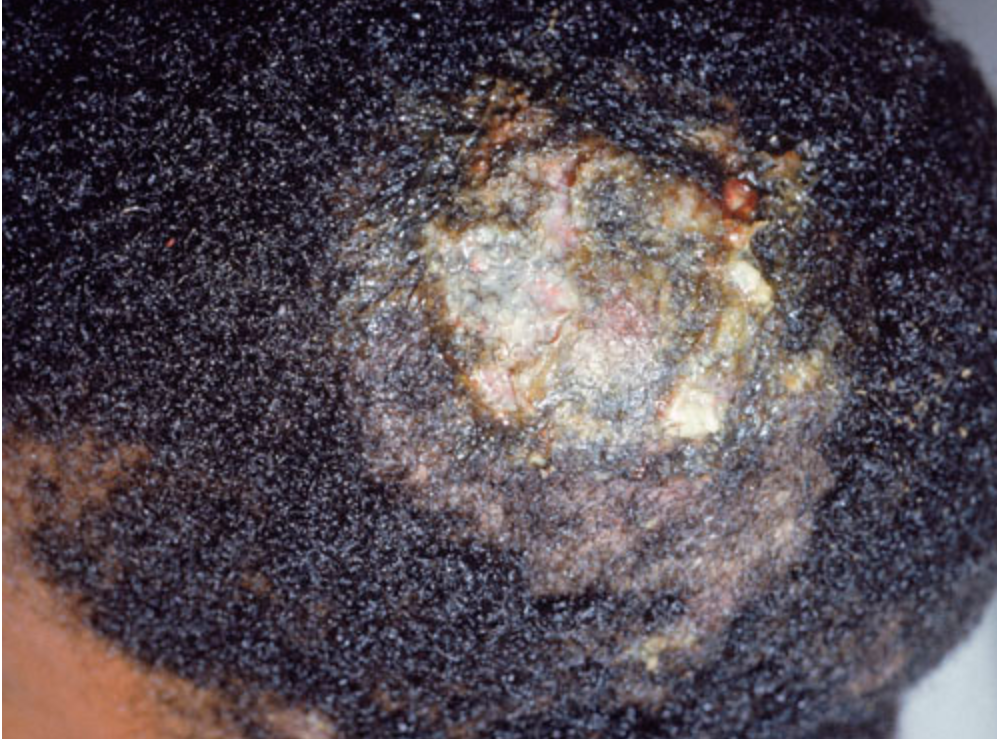
A 4-year-old boy is brought to the physician because of a lesion on his scalp for the past 6 weeks. It has continued to increase in size despite use of over-the-counter antibacterial creams and 7 days of oral cephalexin that his mother had leftover from a previous illness. The lesion began as a round area approximately the size of a quarter. He has no history of serious illness. A photograph of the lesion is shown. Infection with which of the following is the most likely cause of this patient’s lesion?
CorrectIncorrect -
Question 42 of 50
42. Question
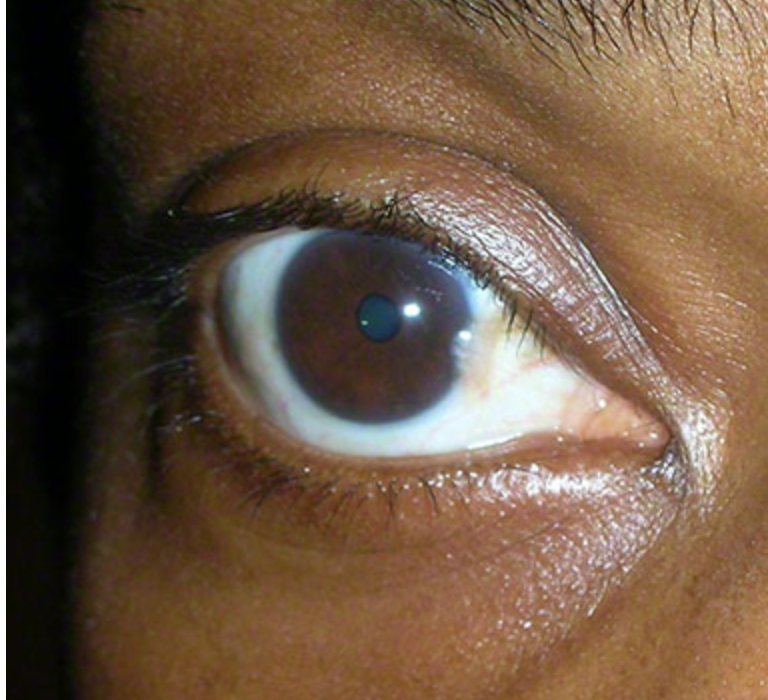
A 32-year-old woman comes to the office for a health maintenance examination. She feels well. She has mild myopia and wears contact lenses. She has no history of serious illness and takes no medications. She appears well. Vital signs are within normal limits. A photograph of the right eye is shown. The remainder of the examination shows no abnormalities. Which of the following is the most appropriate next step in management?
 CorrectIncorrect
 -
Question 43 of 50
43. Question
An 11-year-old boy is brought to the office by his mother as a new patient because of a 3-year history of increasing weakness of his arms and legs. His mother says the weakness is now interfering with her son’s ability to participate in physical education classes at school. He has no history of serious illness and receives no medications. His older sister is healthy. He has several male and female cousins who are uncoordinated and fall frequently. Examination of the patient shows scoliosis of the thoracic and lumbosacral spine. There is atrophy and muscle weakness of both shoulders and pelvic girdles. Deep tendon reflexes are trace throughout. Sensation is intact throughout. His gait is waddling, and he must extend his back to walk smoothly. Results of a complete blood count and serum electrolyte concentrations are within the reference ranges. His serum creatine kinase activity is 387 U/L. Which of the following is the most likely diagnosis?
CorrectIncorrect -
Question 44 of 50
44. Question
A 72-year-old man comes to the physician because of a 2-year history of increasingly severe episodic pain in both legs. The pain is triggered by walking and increases as he walks longer distances. He also has weakness and numbness in both legs when he walks farther than 4 blocks. He says that he now has difficulty walking through the grocery store, but the pain decreases when he leans forward on the cart while walking. He has no history of serious illness and takes no medications. Vital signs are within normal limits. Muscle strength and deep tendon reflexes are normal, and sensation is intact. Femoral, posterior tibial, and pedal pulses are equal bilaterally. The remainder of the examination shows no abnormalities. Which of the following is the most likely cause of this patient’s symptoms?
CorrectIncorrect -
Question 45 of 50
45. Question
A 14-year-old boy is brought to the physician by his parents because he has been increasingly irritable, disrespectful, and uncooperative during the past 4 years. He refuses to do any household chores and does not obey curfew. He may be expelled from school because he is rude and threatening to teachers and has been cutting classes. He is tutored for reading but earns C’s and D’s in his classes. He has been suspended three times during the past year for talking back to his teachers. He repeated first grade due to poor academic readiness. He used to have trouble with homework but now he does not complete any homework. He is at the 65th percentile for height and 50th percentile for weight. Physical examination shows no abnormalities. During the examination, the patient is minimally cooperative and frequently rolls his eyes at questions. Urine toxicology screening is positive for nicotine. Which of the following is the most likely explanation for this patient’s behavior?
CorrectIncorrect -
Question 46 of 50
46. Question
A 44-year-old man comes to the office with his girlfriend because she is concerned about his mood. He recently told her it would be a relief if he were hit by a truck and died. He reports frequent fatigue and says he has been persistently unhappy for 9 years. He has not had problems with sleep or appetite. He has type 1 diabetes mellitus, chronic kidney disease, hypertension, and peripheral neuropathy. His medications are furosemide, gabapentin, insulin, metoprolol, and simvastatin. He lost joint custody of his two children 1 month ago, which he says is “a real downer.” He finds his work as a convenience store clerk tedious and uninteresting, but he enjoys playing poker and watching movies. He has used cocaine once monthly during the past 5 years. His pulse is 84/min, and blood pressure is 146/88 mm Hg. Physical examination shows retinal hemorrhages. On mental status examination, he has a dysphoric mood and sarcastic affect. There is evidence of interpersonal friction with his girlfriend. He reports no current suicidal ideation or intent. Which of the following is the most likely diagnosis?
CorrectIncorrect -
Question 47 of 50
47. Question
A 9-year-old girl is brought to the physician by her parents because of increasingly strange behavior during the past 6 months. They report that she touches and smells household objects and repeatedly turns the lights on and off in her room. She has been worried because of frequent thoughts of her dog being hit by a car and her parents being involved in a motor vehicle collision even though these things have never happened. She has begun to tap her foot three times when she experiences these thoughts to prevent them from happening. Physical examination shows no abnormalities. Mental status examination shows an anxious mood and a constricted affect. Which of the following is the most appropriate pharmacotherapy?
CorrectIncorrect -
Question 48 of 50
48. Question
A previously healthy 27-year-old woman is brought to the emergency department 48 hours after the onset of confusion. She has a 1 -week history of temperatures to 39.3°C (102.8°F) and yellow eyes. Her only medication is an oral contraceptive. She is oriented to person but not to place or time. Her temperature now is 38.6°C (101.5°F), pulse is 110/min, respirations are 18/min, and blood pressure is 110/70 mm Hg. Examination shows scleral icterus and scattered petechiae over the trunk and lower extremities. Laboratory studies show:
Hematocrit: 25%
Leukocyte count: 13,000/mm³
Platelet count: 11,000/mm³
Prothrombin time (PT): 11 sec (INR = 1.0)
Partial thromboplastin time (PTT): 30 sec
Serum:
Creatinine: 4.5 mg/dL
Total bilirubin: 6 mg/dL
Direct bilirubin: 0.9 mg/dL
Which of the following is the most appropriate next step in management?
CorrectIncorrect -
Question 49 of 50
49. Question
A previously healthy 27-year-old woman comes to the emergency department because of a “crawling” sensation over her skin that began 1 hour ago after she ate a candy bar containing peanuts. She has a peanut allergy but did not realize the bar contained peanuts. She says that she used an epinephrine auto-injector as soon as symptoms developed but still does not feel well. She notes that her lips have become swollen and feel especially “itchy and tingly.” She has had three episodes of diarrhea. She appears flushed. Her temperature is 37°C (98.6°F), pulse is 120/min, respirations are 27/min, and blood pressure is 85/42 mm Hg. Pulse oximetry on room air shows an oxygen saturation of 92%. Examination shows slightly swollen lips and cheeks and erythematous areas over the face and extremities. Breath sounds are decreased, and expiratory wheezes are heard throughout the lungs. An ECG shows sinus tachycardia. In addition to epinephrine, which of the following should be administered?
CorrectIncorrect -
Question 50 of 50
50. Question
A 9-month-old boy is brought to the physician by his mother for a well-child examination. She is concerned because over the past 4 weeks, her son has cried, screamed, and rubbed his ears whenever one of her friends holds him. She is the only person who can console him, and it now takes longer to soothe him. He was previously a happy, easygoing baby. When the physician approaches him, he begins to cry. He is at the 50th percentile for height and 75th percentile for weight. Examination shows no abnormalities except for clear rhinorrhea. He sits up independently, pulls himself to standing, and crawls along furniture. Which of the following is the most appropriate next step in management?
CorrectIncorrect